logo ErasmusMC
  • ABOUT
  • AMAZING FACTS
  • HISTORY
  • ART
  • DISEASES
  • TESTS
  • BACTERIA
  • WELCOME
  • BACTERIA
  • FUNGI
  • TESTS
  • ART
  • AMAZING FACTS
  • HISTORY
  • ABOUT

Amazing Facts list

  • 1887 Psychiatric Hospital
  • Animals on duty
  • Bizarre advice for parents
  • Bloodletting
  • Bloodthirsty Hungarian Countess Elizabeth Báthory (1560–1614)
  • Butler escaped punishment three times.
  • Child abuse
  • Dance mania / Saint Vitus Dance
  • Doctors’ advice did more harm than good
  • Flirting with Queen Victoria
  • French Revolution Louis XVI
  • Frontal syndroom (Phineas Gage)
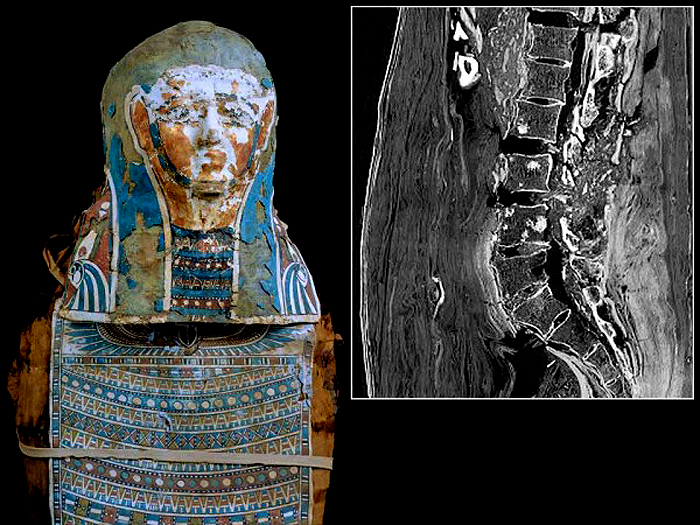
  • Heart disease (Egyptian princess)
  • Ice Age (little)_1300-1850
  • Ivan IV the Terrible (1530–1584)
  • Massacre in Beirut
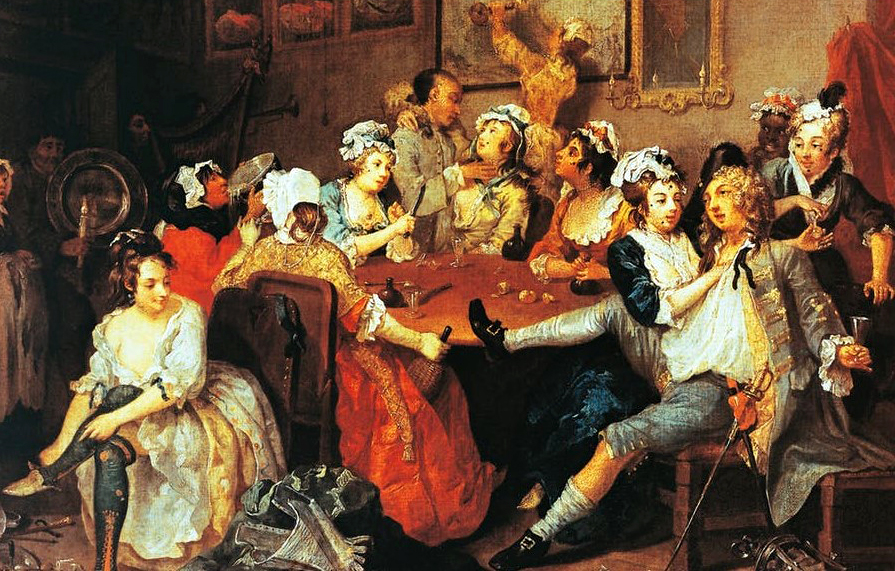
  • Middle Ages were rife with sex
  • Mummy at the doctor's
  • Postpartum psychosis (Margery Kempe)
  • Prostate cancer (mummy)
  • Queen poisoned by skin cream
  • Sex trafficking in London
  • Swaddling baby
  • Syphilis was in fashion
  • Testicles Sacrificing
  • The Sun King lived in a pigsty
  • Toilet, Chafing, or Potty
  • Tropical diseases proved fatal to conquerors
  • Women as executioners in World War II
  • You have to suffer to be beautiful


Flirting with Queen Victoria

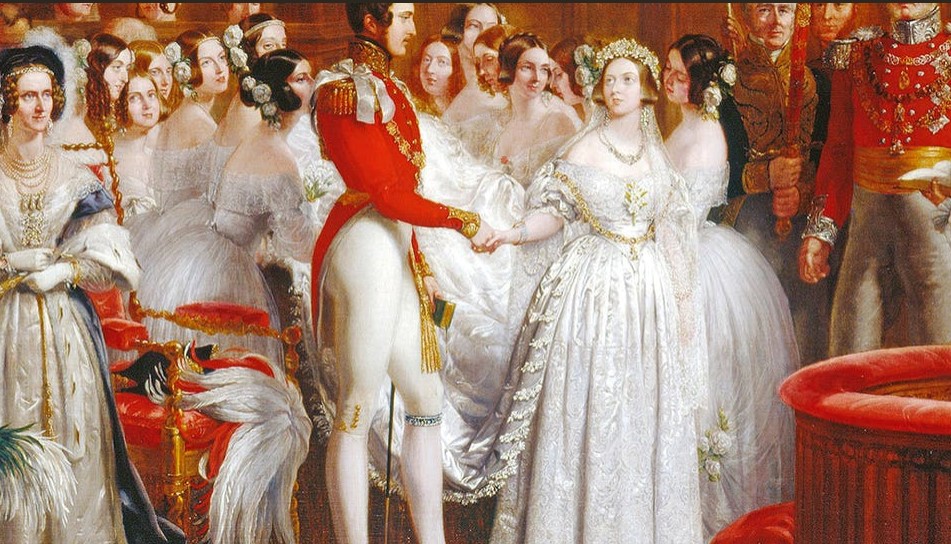
In the 19th century, the British copied everything Queen Victoria and her family did, and no effort was too great for them. ♦ Victoria broke with tradition A wedding dress was supposed to be in bright colours, which were expensive to produce. But when Queen Victoria married her German cousin Albert of Saxe-Coburg in 1840, she appeared in a white satin dress with a five-metre-long train. From then on, fashion-conscious women could no longer be seen in the customary colourful wedding dresses…

Ice Age (little)_1300-1850

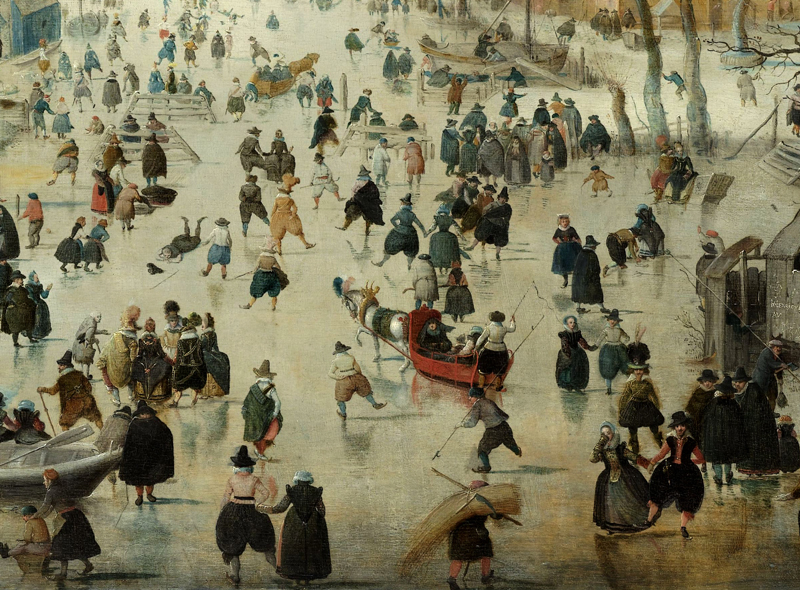
Climate change has also occurred in the past, with the Little Ice Age having a major impact on life at that time. ► From the Medieval Climate Optimum to the Little Ice Age The Medieval Climate Optimum occurred between 950 and 1250 AD. During this period, temperatures in the northern hemisphere were quite mild: long summers and mild winters ensured good harvests. As a result, prosperity increased. However, this period came to an end. The Climate Optimum was followed in the 14th century by a long,…

Testicles Sacrificing

Castrato singers had to sacrifice their testicles for art. 3 octaves for 2 testicles Alessandro Moreschi was born penniless in a small Italian village and had a meteoric career in the Vatican choir. He was only 25 when he sang a soprano solo for the Pope in the Sistine Chapel. The secret behind Moreschi's voice was that he had been castrated as a child. Alessandro Moreschi died on April 22, 1922, after a long illness, surrounded by his family. Despite a life dedicated to the Catholic Church,…

1887 Psychiatric Hospital

Undercover journalist infiltrated psychiatric hospital A frightened and confused Nellie Bly is picked up by the New York police in 1887. She is brought before a judge, who has her examined by doctors. The experts are in complete agreement: the young woman is insane and belongs in an asylum. For now, everything is going according to Nellie's plan. The clatter of typewriter keys—that's all Nellie Bly hears as she walks through the editorial office of the New York World newspaper on T…

Toilet, Chafing, or Potty

♦♦ The History of the Toilet ♦ The Romans used a precursor to the modern toilet. Toilets have been found in Pompeii and Herculaneum that were connected to a continuously flushing sewer system. From that time onwards, however, toilet technology went into decline: between Roman times and the nineteenth century, there were hardly any improvements made to the little room. In fact, there was hardly a little room to speak of. In the Middle Ages, the nobility relieved themselves in a …

The Sun King lived in a pigsty

Behind the scenes at Versailles The thousands of residents of the Palace of Versailles lived amongst the rats and were bored stiff. The Sun King lived in luxury, but the members of his court were housed in filthy little rooms. They were summoned for the slightest of reasons. It is said that, in the days of the Sun King, the Palace of Versailles had a scent all of its own. In the late 17th century, visitors were met by a stench of urine, perfume and sweat, occasionally mixed with a touch of faece…

Mummy at the doctor's

There was a palpable tension in room 1128 of the Anatomical Institute at the University of Toronto on that 9th of August 1974. It was the height of summer, so the international research team had to work quickly and with extreme concentration. First, the frail patient was weighed; then came the X-rays and blood tests, tissue samples were taken, and the organs were examined. Once they had gathered all the data, the researchers knew not only the cause of death but also that the young Egyptian weave…

Queen poisoned by skin cream

Mighty queen poisoned by skin cream Scientists have discovered traces of a 3,500-year-old skin cream that may have caused cancer in Egypt’s most famous female pharaoh. They found dangerous substances in the cream, which the pharaoh may have used frequently, and which may have led to the death of the powerful Egyptian queen Hatshepsut (1473–1458 BC). German researchers found traces of the cream in a 3,500-year-old vial, which, according to an inscription, belonged to the female pharao…

Bloodletting

Bloodletting was a bloody misconception Going to a doctor was the worst thing a patient could do in the 16th century. There was a high chance that his veins would be exposed with a knife. For 2,500 years, blood was drawn from sick people for no reason. ♦ George Washington 1799 On a cold morning in December 1799, George Washington wakes up with a sore throat. In his misery, he does something foolish: he calls for his doctor. After examining Washington, the family doctor summons America'…

Animals on duty

Burning pigs, dogs carrying out suicide attacks, and rats clearing mines. Throughout the years, animals have often been used in all sorts of inventive ways on the battlefield. ♦ Dogs In the First World War, swift dogs ran back and forth between units at the front with messages attached to their collars. ♦ Carrier pigeons The news of Julius Caesar's victory over the Gauls in 52 BC and Napoleon's defeat at Waterloo was spread by carrier pigeons The pigeons has been in military …

Women as executioners in World War II

The female camp guards were every bit as ruthless as their male counterparts in the German concentration camps during the Second World War. Meet ‘the beautiful beast’ and seven other horrific torturers. At least 21 women were hanged for atrocities committed in German concentration camps during the Second World War. The worst female camp guards were every bit as bad as their male counterparts. They singled out children for the gas chambers, killed prisoners with shovels or axes, or be…

Sex trafficking in London

It is estimated that one in five women in London worked in prostitution. And in this city, paid love was not kept a secret. Money rolls and the drink flows in 18th-century London. Covent Garden, in particular, is notorious. It teems with prostitutes, and they are up for anything. As long as they get paid, of course. ♦ William Hickey Eighteen-year-old William Hickey walks through the Covent Garden district. The moon shines on the provocatively dressed women beckoning to him and his friends.…

Middle Ages were rife with sex

Women in the Middle Ages were advised not to look men in the eye, as a single glance was enough to arouse his lust. Strictly celibate priests and a population living in mortal fear of purgatory – that is a common image of the Middle Ages. But a quickie in church and risqué jokes were also part of the picture. ♦ The church was used for sinful activities Houses were shared by entire families, and private bedrooms were found only in the homes of the nobility. It was therefore dif…

French Revolution Louis XVI

After 24 hours on the run, the royal family was arrested in the town of Varennes. Louis XVI was dressed as a servant, and the crown prince was wearing a dress French Revolution forced Louis XVI into an impossible escape After two years of house arrest in Paris, the king of France has had enough. He wants to leave the city and regain power. Louis XVI’s escape is organized by a Swedish count who is the lover of his wife, Queen Marie Antoinette. ♦ France / 1791. The revolution is underw…

Doctors’ advice did more harm than good

Heroin for a little cough, worm eggs for overweight, and mummy powder for stomach ulcers. Doctors and quacks alike shunned no remedy in their attempts to cure the patient. ♦ Heroin helped with coughing German cold sufferers—adults and children alike—were the first to be prescribed the new miracle drug: heroin. Manufacturers made millions. When heroin came onto the market in 1898, it was, according to the German pharmaceutical company Bayer, an effective and inexpensive remedy f…

Tropical diseases proved fatal to conquerors

Deadly diseases proved fatal to the white people When the Europeans set out to conquer the world, they were confronted with all manner of dreadful diseases, to which soldiers fell in droves. Tiny flies, mosquitoes and worms turned out to be the worst enemy they had ever faced. ‘The Curse of the Pharaoh’: French troops were on their periods During Napoleon’s campaign in Egypt in 1799, a rumour circulated amongst his troops that they would be struck by the ‘curse of the pha…

Child abuse

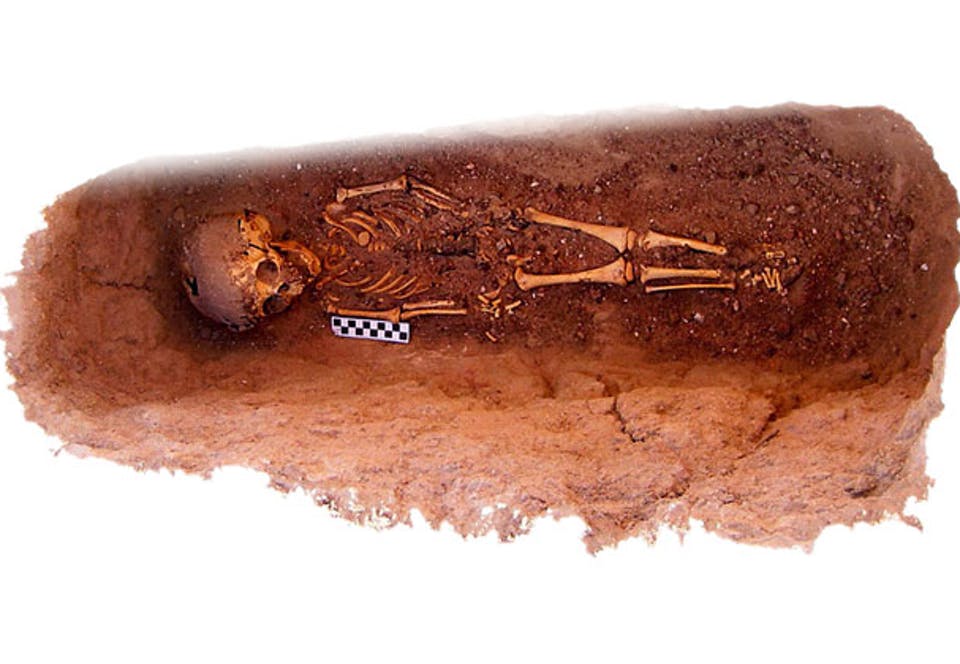
Egyptian child fatally abused The child’s skeleton was found in the Dakhla Oasis and dates from the Roman period in Egypt. Archaeologists have discovered the skeleton of a child who, 2,000 years ago, was so severely abused that several of its bones were broken. It is the oldest known case of child abuse. The injuries point to prolonged abuse. Broken arms, ribs and collarbone. This was discovered by archaeologist Sandra Wheeler when she examined the 2,000-year-old child’s skeleton tha…

Massacre in Beirut

THIS ARTICLE DESCRIBES VERY VIOLENT EVENTS Massacre in Sabra and Shatila On 16 September 1982, a massacre took place in the Sabra and Shatila refugee camps in Lebanon. These camps near Beirut were mainly home to Palestinians. In two days, several thousand unarmed civilians were brutally slaughtered by Christian militias with the help of the Israeli army. Israel's then Minister of Defence, Ariel Sharon, had previously surrounded the camps in West Beirut. When no one could get in or out, Sharo…

Syphilis was in fashion

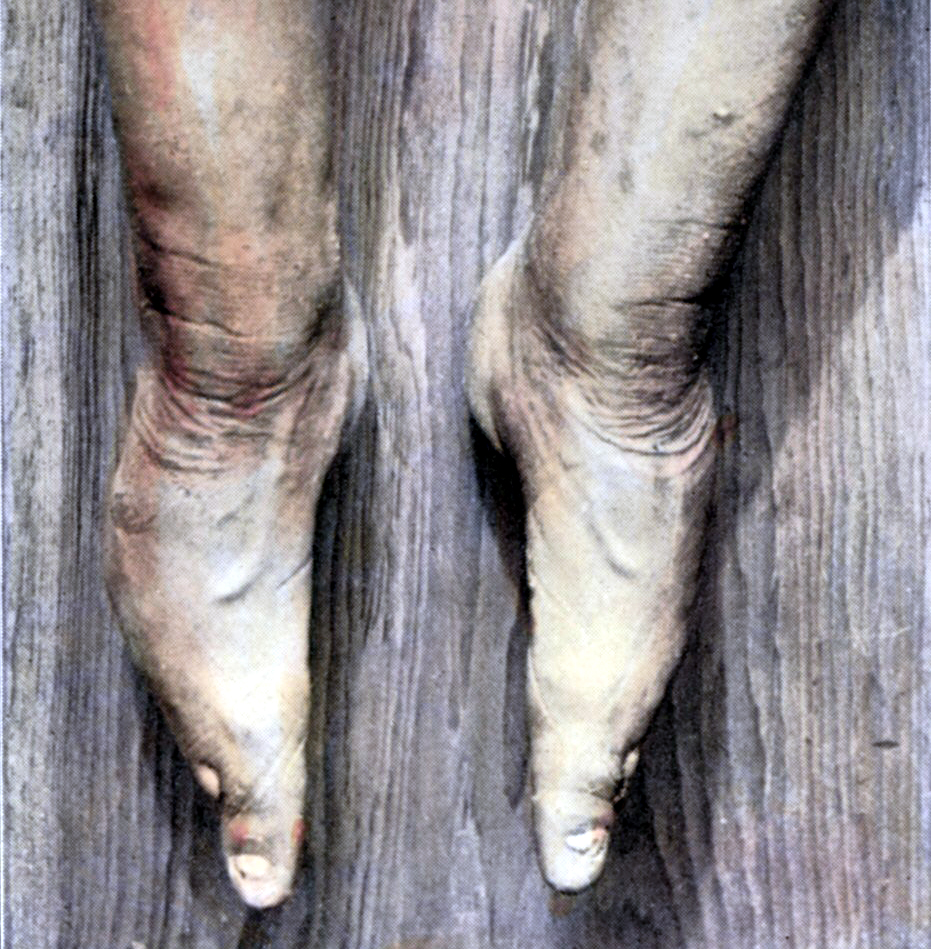
In the late 15th century, European nobles flaunted their syphilis sores until they realized the seriousness of the disease. Then they began to mask hair loss, rashes, and boils with wigs, fake beauty spots, and thick layers of makeup. Around Christmas 1496, the Italian priest Tommaso di Silvestro fell ill. His knees ached, and in the new year, his shoulders did too. In May, he wrote in his diary that the symptoms had disappeared, but a year later they returned in full force. The cleric also deve…

You have to suffer to be beautiful

Radioactive cream, corrosive powder and arsenic pills. In their quest for beauty, many women have disfigured themselves, sometimes with fatal consequences. Pale and pockmarked For centuries, pale skin was considered the ideal of beauty. Sometimes this led to infertility, madness or a gaunt face. What? Toxic face powder Where? Among the Greek and Roman elite, in Japan and at European royal courts during the Renaissance. When? Lead white powder has been around for thousands of years. Being pale wa…

Bizarre advice for parents

Thumb sucking leads to moral decay, wet shoes are good for the immune system, and hygiene damages intelligence. The good old days offered countless pieces of advice for young parents, not all of which were equally effective. Salt and honey on babies' gums When teeth were slow to appear, honey was used. Some babies get teeth after just three months, while for others it takes a year. But in the Middle Ages, there was a widespread misconception that a child's language skills were linked to …

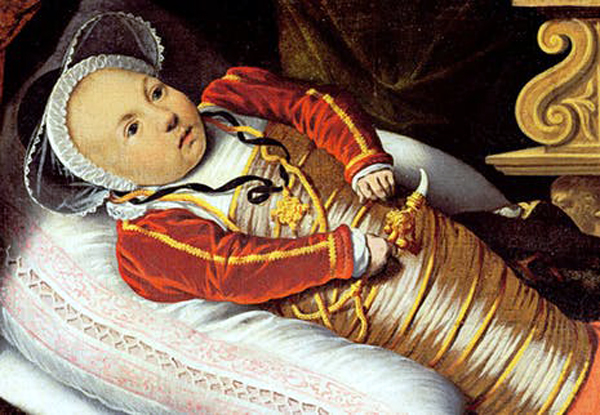
Swaddling baby

Since ancient times, children were tightly wrapped in cloths, as it was believed that this would help their bodies grow straight. Sometimes, however, the wrapping was so tight that it caused deformities in the children’s limbs. It was also convenient: you could lay your baby down securely and not have to worry about them. Older babies were also wrapped and placed at the side of the field where the mother was working, preventing them from moving and crawling away. Swaddling was therefore al…

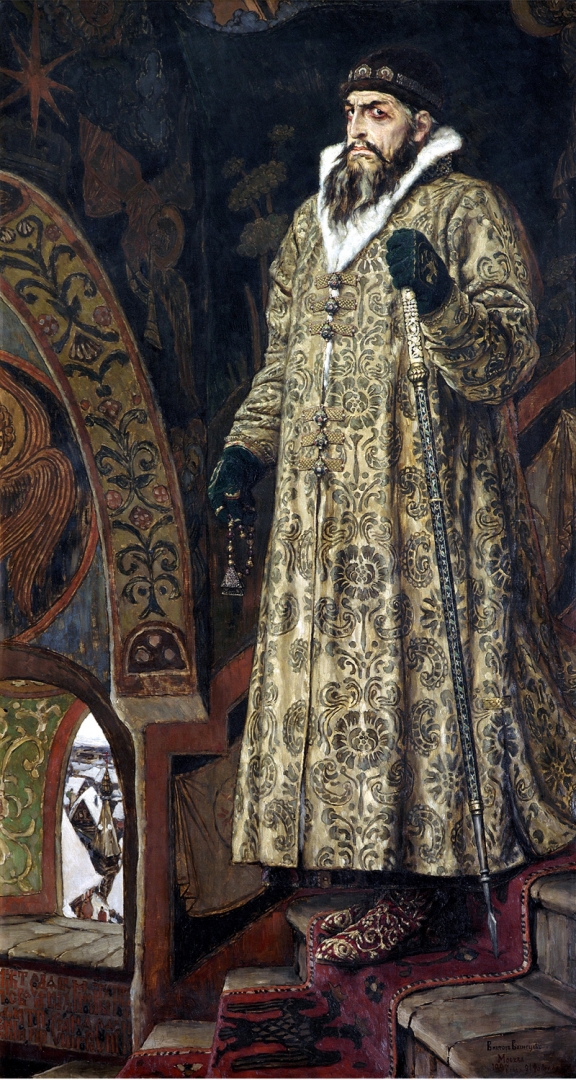
Ivan IV the Terrible (1530–1584)

Howe IVAN BECAME TERRIBLE Ivan IV was one of the most bloodthirsty tyrants in history. He more than lived up to his nickname, ‘the Terrible’. Yet at the start of his reign, it seemed he would become an innovative and enlightened tsar. What turned him into the monster he was? And how did it all go so wrong for Russia? Ivan the Terrible’s character was as cruel as it was complex. His fits of unbridled bloodlust were interspersed with open remorse. He was perhaps the most erudite …

Butler escaped punishment three times.

In 1884, Great Britain was shocked by the brutal murder of 68-year-old Emma Keyse. Her butler was sentenced to death by hanging for this crime. But then something strange happened. The sound of grinding metal rose from the floor of the scaffold. The executioner pulled with all his might on the lever that would open the trapdoor through which John Lee would fall. ‘Is it over?’ asked the minister without opening his eyes. The coroner cried out in despair, 'For God's sake, this …

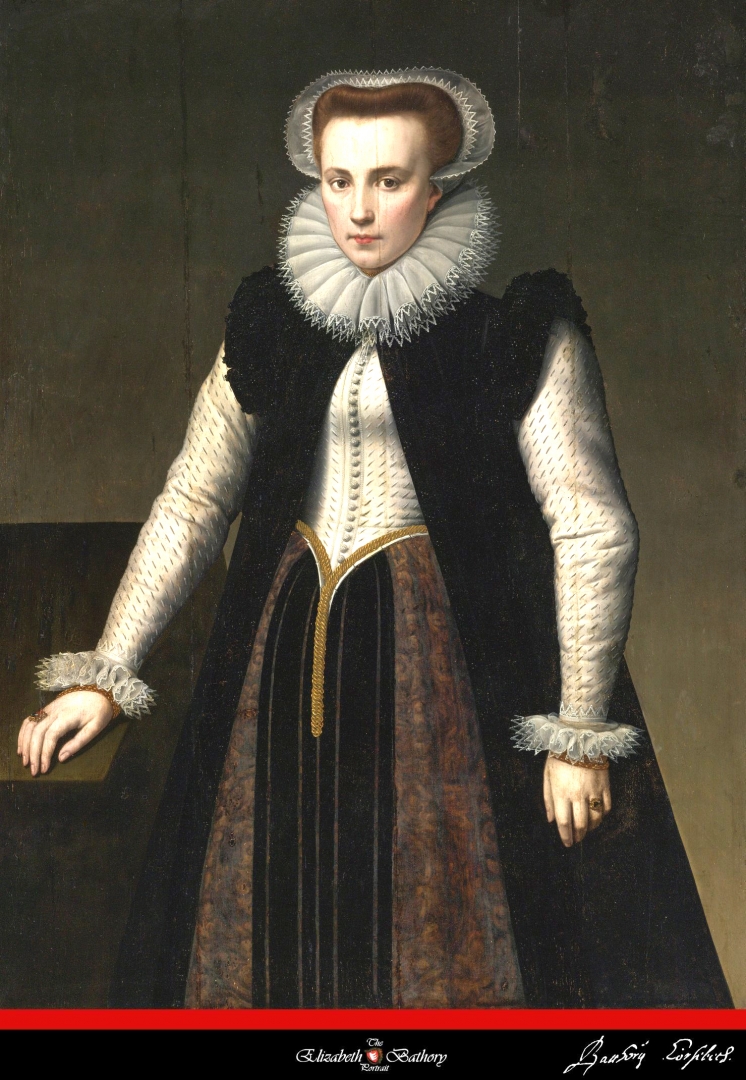
Bloodthirsty Hungarian Countess Elizabeth Báthory (1560–1614)

Elizabeth Báthory (1560–1614) – The most prolific female serial killer of all time In the 17th century, a Hungarian noblewoman was held responsible for the deaths of hundreds of young women. Did Elizabeth Báthory kill her victims so that she could preserve her beauty with their blood, or was her behaviour motivated by sadism? On a freezing cold night in December 1610, the prosecutor of the Hungarian Empire and his troops stormed Čachtice Castle in response to rumours of…

Postpartum psychosis (Margery Kempe)

Hysterica went on a piglrimage Margery Kempe used to chase after the boys, often burst into tears and dreamt of becoming a saint. In 1438, she wrote an autobiography which, 500 years later, turned our view of the Middle Ages on its head. Margery Kempe caused a stir in her village of Bishop’s Lynn in 15th-century England. Although a married woman with 14 children, she insisted on wearing the colour white, which was reserved for nuns and virgins. She also experienced intense religious vision…

Heart disease (Egyptian princess)

Egyptian princess is the oldest person with heart disease The Egyptian princess Ahmose Meryet Amon is the oldest person known to have heart disease. Researchers claim this based on recent scans of the mummy, which show that half of the princess’s arteries are calcified. The scientists assert that Ahmose Meryet Amon suffered from coronary arteriosclerosis, a condition in which arterial plaque can lead to a heart attack or stroke. Ahmose Meryet Amon lived 3,500 years ago and died before her …

Prostate cancer (mummy)

Oldest mummy with prostate cancer found ♦ Mummy M1 is the oldest Ancient Egyptian with prostate cancer. Scientists conclude this 2,250 years after M1's death. The mummy is not the oldest man with prostate cancer ever found. The 2,700-year-old skeleton of a Russian king was also once found, and he too turned out to have had prostate cancer. Mummy M1 is therefore the second-oldest man with prostate cancer ever found and the oldest Egyptian with the disease. ♦ Scan The researchers d…

Dance mania / Saint Vitus Dance

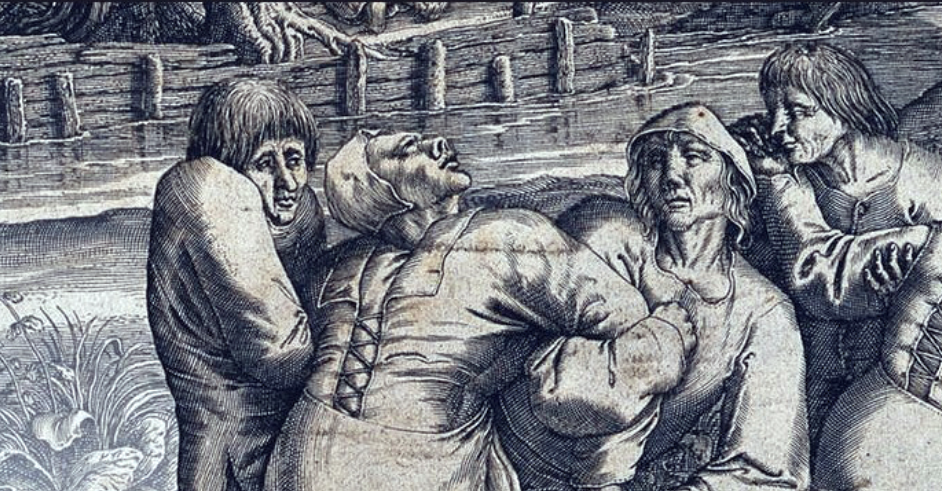
City struck by strange dancing frenzy In 1518, Strasbourg was struck by a strange plague: hundreds of citizens apparently went mad and took to the streets to dance in ecstasy. They continued dancing until they fell to the ground with bleeding feet from exhaustion and died. No one batted an eyelid when Mrs. Troffea closed the door behind her. She walked a little strangely and took odd steps, but Strasbourg in 1518 was a bustling city. Only after a while did people begin to notice that the otherwi…

Frontal syndroom (Phineas Gage)

Phineas Gage In 1848, 25-year-old Phineas Gage had an iron rod pass through his head, completely changing his personality. His story advanced the field of neurology and even inspired Sigmund Freud. What happened to Phineas Gage was the first documented case of the effects of severe brain injury. His story influenced neurology, as it highlighted how crucial the brain is for our thoughts, behavior, and personality ♦ Rod pierces the brain On September 13, 1848, while working as a foreman supe…

Microbiology on the go. An initiative by

Dept. Medical Microbiology and Infectious diseases

Privacy Policy Cookie Policy Disclaimer Contact us Cookie Settings