
.jpg)
.jpg)
Behind the scenes at Versailles
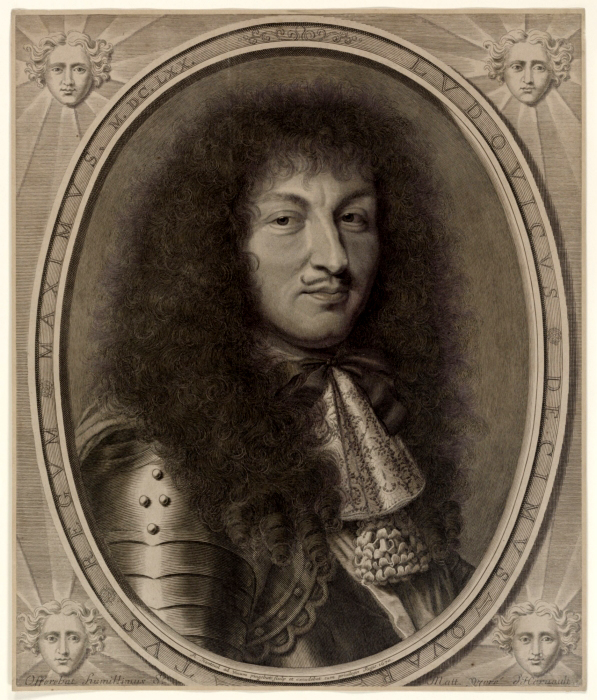
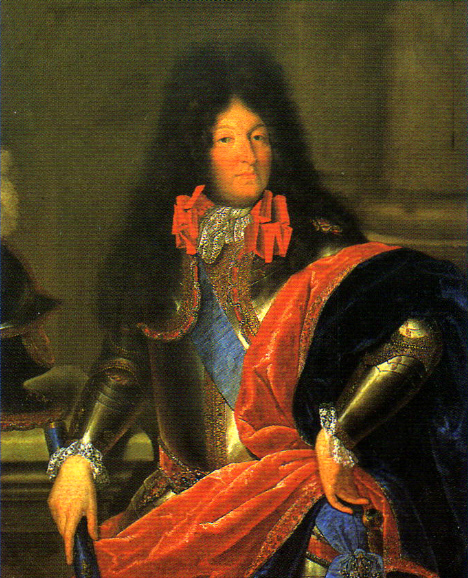
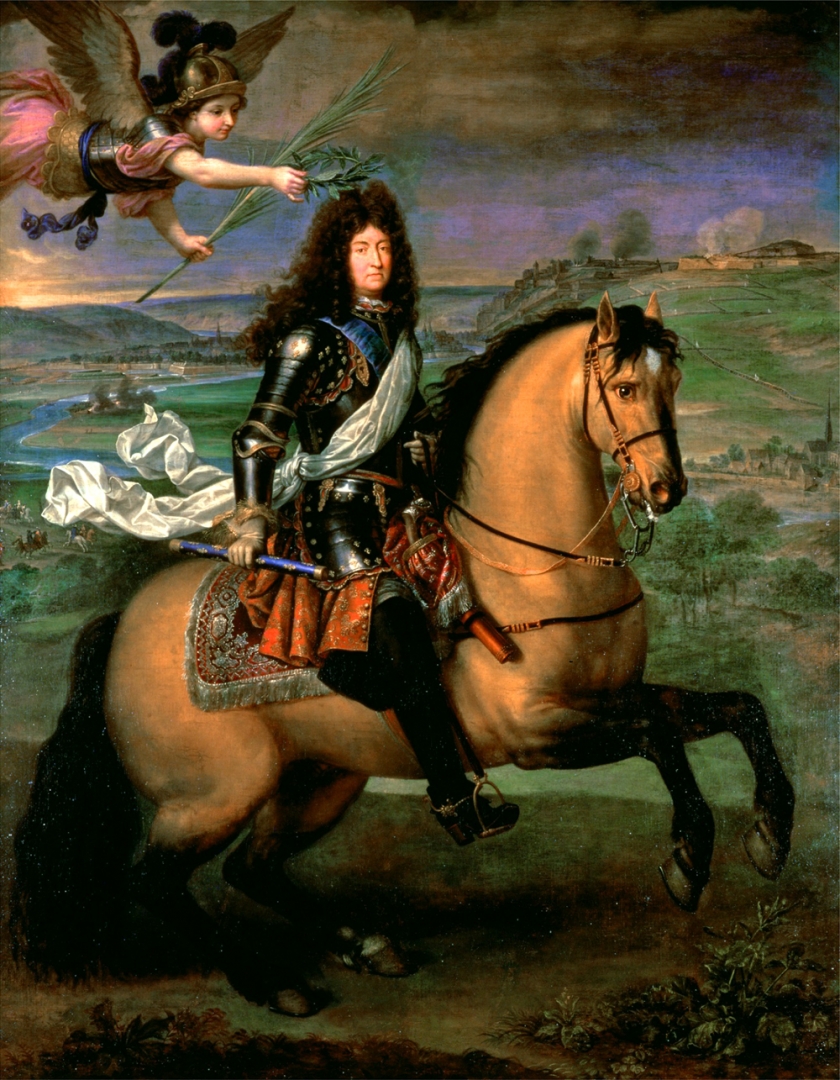
The thousands of residents of the Palace of Versailles lived amongst the rats and were bored stiff. The Sun King lived in luxury, but the members of his court were housed in filthy little rooms. They were summoned for the slightest of reasons.
It is said that, in the days of the Sun King, the Palace of Versailles had a scent all of its own. In the late 17th century, visitors were met by a stench of urine, perfume and sweat, occasionally mixed with a touch of faeces. Anyone who had lost their bearings need only take a deep breath.
It is said that, in the days of the Sun King, the Palace of Versailles had a scent all of its own. Towards the end of the 17th century, a stench of urine, perfume and sweat greeted visitors, occasionally mixed with a touch of faeces. Anyone who had lost their bearings need only take a deep breath. The stench of Versailles was notorious and is said to have been worse than that of other European palaces. This was because everything at the French court was on a grander scale, including the number of people. Thousands of nobles and their numerous servants were crammed into the magnificent palace, for it was here that careers were made and important posts were allocated.
Everyone was used to the stench; most no longer even noticed it. The residents were simply delighted to be in the Sun King’s presence. Those fortunate enough to be allowed close to Louis XIV reported that the foul air hanging in the palace was surpassed only by the body odour of the Sun King himself; according to a Russian ambassador, it reminded him of the stench of a ‘wild animal’.
♦ King receives visitors in the loo
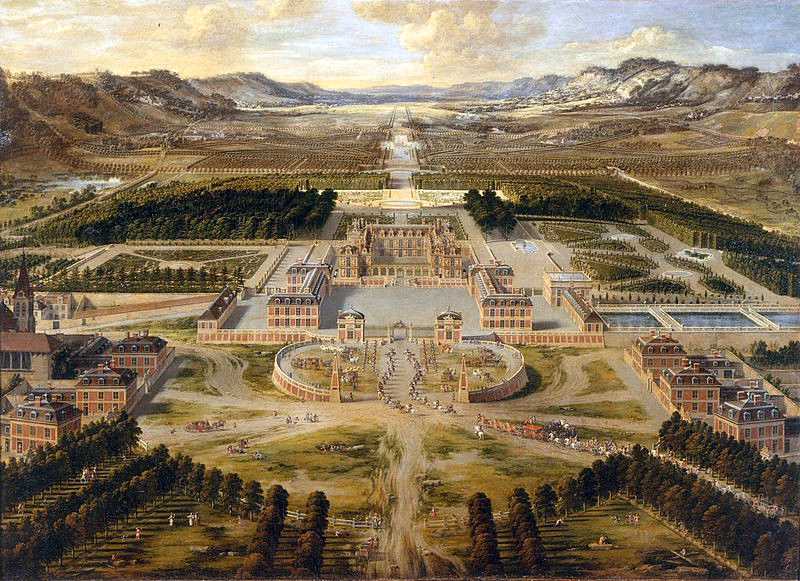
Versailles was a small town with a population of around 5,000. The corridors and staircases were a hive of activity, and sometimes there was even a cow wandering about, which had been brought into the palace to provide fresh milk for small children. The livestock took up quite a bit of space, but the sedan chairs took the biscuit: the palace had ‘taxi services’ that carried members of the court through the endlessly long corridors.
Only the Royal Family were allowed to be carried around in private sedan chairs. This taxi service was used so eagerly that long queues formed in the corridors. When it was dark, with torches as the only source of light, the bearers were constantly bumping into one another. Later in the evening, once the traffic had died down, the corridors echoed with the desperate cries of people who had lost their way and the splashing of urine relieved in a corner.
Scattered throughout the corridors were tiny toilets, consisting of a wooden barrel with a large hole in it. These latrines were usually as leaky as a sieve, and their contents seeped through the floor into the rooms below. Moreover, there were far too few of them, and residents who couldn’t be bothered to queue or put up with the stench simply relieved themselves on the floor.
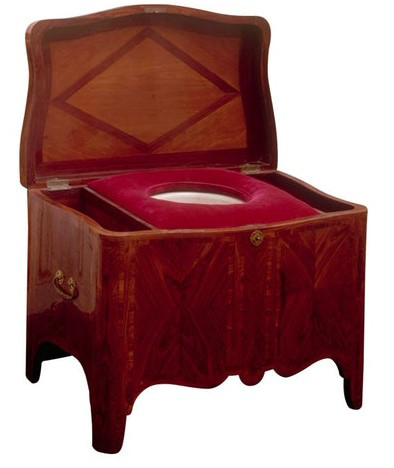
The palace rooms were equipped with chamber pots, and although it was strictly forbidden, these were usually emptied straight out of the window. Passers-by therefore ran the risk of having the foul-smelling contents land on their heads. The Sun King himself fared better: he relieved himself on a chair with a hole in the velvet seat. It was here that the king liked to hold his morning audiences, and visitors pretended not to hear the sounds that emphasised Louis’s words.
♦ Court life is one big theatrical performance
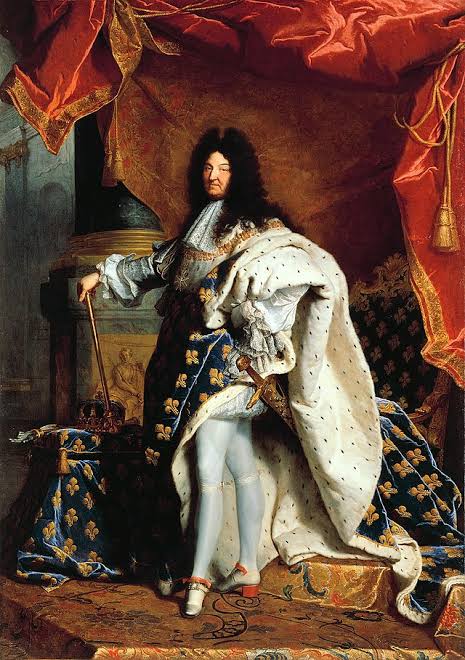
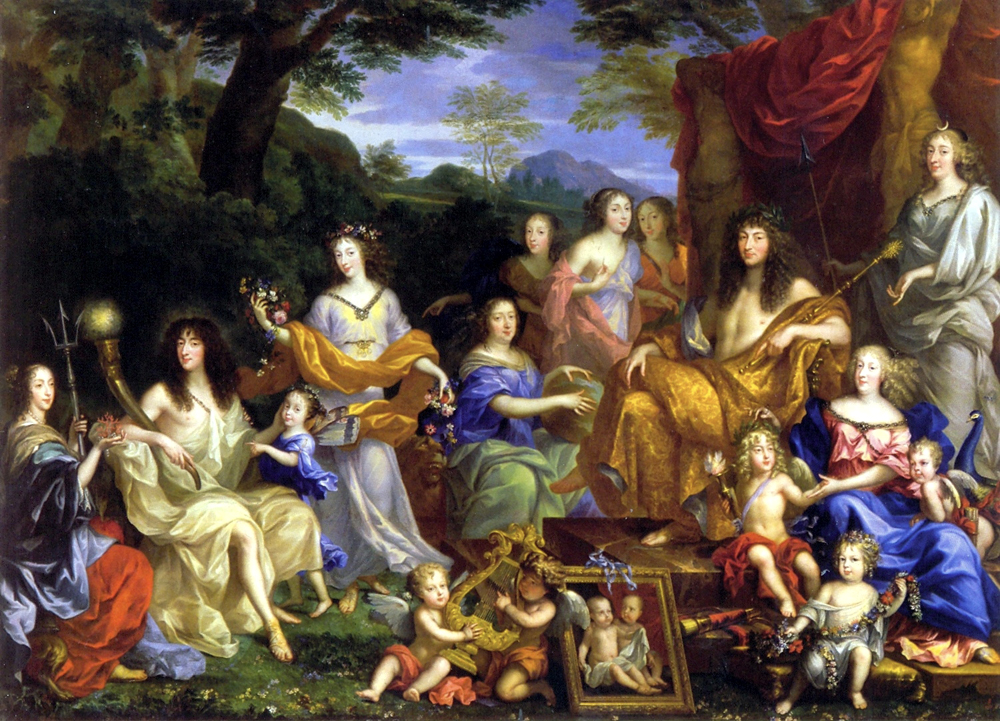
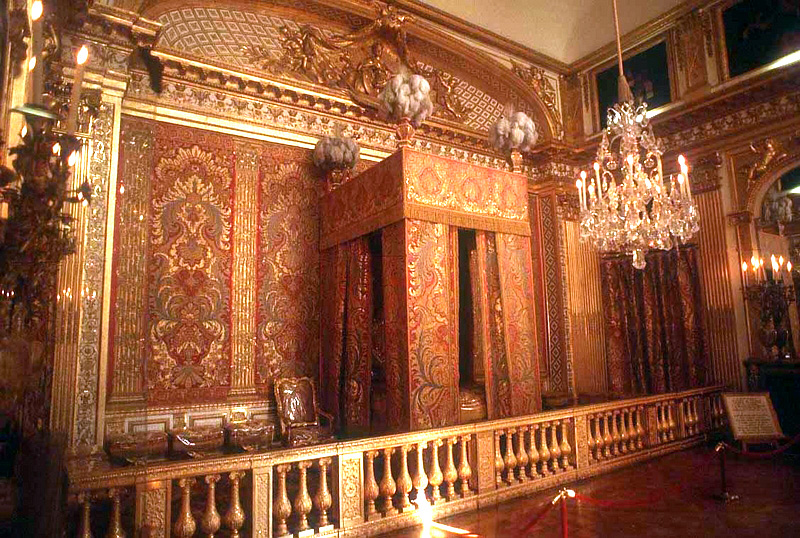
Louis lived in opulence, but allowed himself no private life. From early in the morning until late at night, he was surrounded by a select group of chosen subjects, for whom it was a great honour to follow him everywhere. From the very first day the king took up residence at Versailles, he maintained a fixed daily routine involving all manner of time-consuming rituals. In this way, he ensured that the French nobility, who had traditionally been rebellious, were too busy to plot against the crown.
If dukes and marquises wished to become powerful and wealthy, they had to revolve around the Sun King like planets every single day. All the nobles were assigned a role in the strictly choreographed drama that life at the court of Versailles effectively was.
The first duty of the chosen few was to attend the elaborate morning ritual, known as the lever (rising). At eight o’clock, Louis had himself woken by a voice whispering in his ear that it was time for a new day. Before he rose, he was examined by his bodyguards. Around 100 nobles watched as the king performed his morning ablutions. His attendants removed his nightshirt, shaved the naked monarch and groomed his hair. He was then dressed. A wash was not part of the routine; Louis reserved his Turkish bath for romantic encounters with ladies. The king invariably had his clothes put on in the same order, after which he chose one of his 400 wigs. The entire collection had been cut, perfumed and powdered to the highest standards, but it also harboured many nasty little creatures.
This ritual was merely the first of many that the nobles were required to attend. Until late in the evening, they took part in processions, church services, hunting parties, card games and concerts, during which they were usually only permitted to watch the king.
It was not until 10.30 pm, when Louis went to bed, that it was time for the final ceremony of the day. During his evening ablutions, a spectator had to hold a candle for him: ‘The king looked round and called out the name of someone present, who was then handed a candle. This was regarded as a great honour, which stemmed from the fact that the Sun King had a knack for turning every trifle into a grand affair’, wrote Saint-Simon, who was himself sometimes allowed to hold the candle.
Meanwhile, the rest of the 100 people present watched as Louis had his clothes removed, his eyes rinsed and his hair tidied. Only once the Sun King was in bed could the most powerful Frenchmen breathe a sigh of relief and look back on a long, utterly tedious day.
♦ Residents inherited living quarters
Not a single nobleman dared to skip the royal routine at Versailles: ‘He always knew and was well aware of who was absent, even if it was someone who did not often stay at the palace,’ wrote Saint-Simon.
If a duke or marquis slipped away to spend a free afternoon in Paris, he was risking his life.
All French people wanted nothing more than to get as close as possible to the Sun King, for he handed out the best posts and the highest titles. And anyone who had already secured a place at Versailles clung on for as long as possible. All positions at the palace were passed down from father to son, from ministers and fountain builders to footmen, mole catchers and bearers of the king’s po.
If a family ran into financial difficulties, the pater familias could sell his post for a substantial sum of money. The residents of Versailles could not be persuaded to leave their quarters for anything in the world, for even a small back room in the palace conferred greater prestige than any other home in France. They put up with rats and mice gnawing their clothes to shreds, just as they did with the temperature, which could drop below freezing in winter. They would simply sleep on a bearskin.
If a noble family fell out of favour and was evicted, a fierce battle would break out amongst the other residents for the vacated rooms. The Noailles family, in particular, was exceptionally successful in this regard. Duchess Marie Noailles bore her husband 21 children, all of whom were given their own room in the palace. The corridor where they lived was also known as the Rue de Noailles, Noailles Street.
♦ Food must be treated with respect
The palace residents were not only required to attend all manner of ceremonies, but also to observe strict etiquette. No one was permitted to spit on the ground in the king’s presence, and when Louis passed by, everyone had to make way and bow deeply.
Even the king’s meals were accorded a high status. Meals were prepared in the kitchen of the servants’ quarters and carried to the royal table by a procession of ten men. This procession passed through the south wing, up a flight of stairs and through a few corridors. If a nobleman encountered the procession of food bearers, he had to tip his hat, bow and greet the plates with the words ‘the king’s meat’.
At breakfast, the king limited himself to four courses, but dinner was very lavish. He dined in the presence of a large group of courtiers. Most of the onlookers had to stand, as only the ‘inner circle’ was permitted to sit. A person’s status was indicated by the type of chair they occupied: there were stools, ordinary chairs and luxurious armchairs. Usually, the king would begin with a couple of bowls of vegetable soup. He would then eat pheasant, partridge, mutton, ham, a dessert and, to finish, sweets and fruit. The meal was served on gold and silver platters by obsequious servants, and everything looked magnificent.However, after the long walk through the palace, the food had long since gone cold by the time it was served – which, incidentally, did not prevent the footmen from selling the leftovers outside the palace grounds.
Not many rooms at Versailles had their own kitchen, but Louis had come up with a solution: a number of nobles were obliged to invite their neighbours over for dinner. The meals were provided by the Royal Kitchen, and the hosts had to put up some 20 to 30 dinner guests every day, whether they liked it or not.
♦ Health
Louis XIV suffered from health problems during those years. During an operation on his molars, his upper jaw was fractured, with the result that the king was unable to eat or drink normally for the rest of his life.
Because he was unable to chew properly, he also developed problems with his digestive system. For example, a year after the fateful jaw operation, he developed a fistula in his anus, which was only successfully operated on six months later.
Furthermore, he began to suffer from gout attacks.
♦ King dragged out of the palace
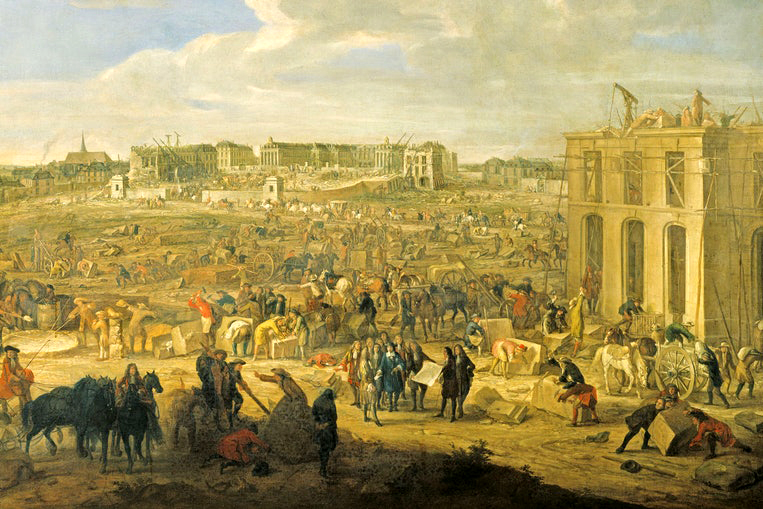
Work on Versailles was never finished. The Sun King and his successors continued to carry out alterations, and over time conditions improved.
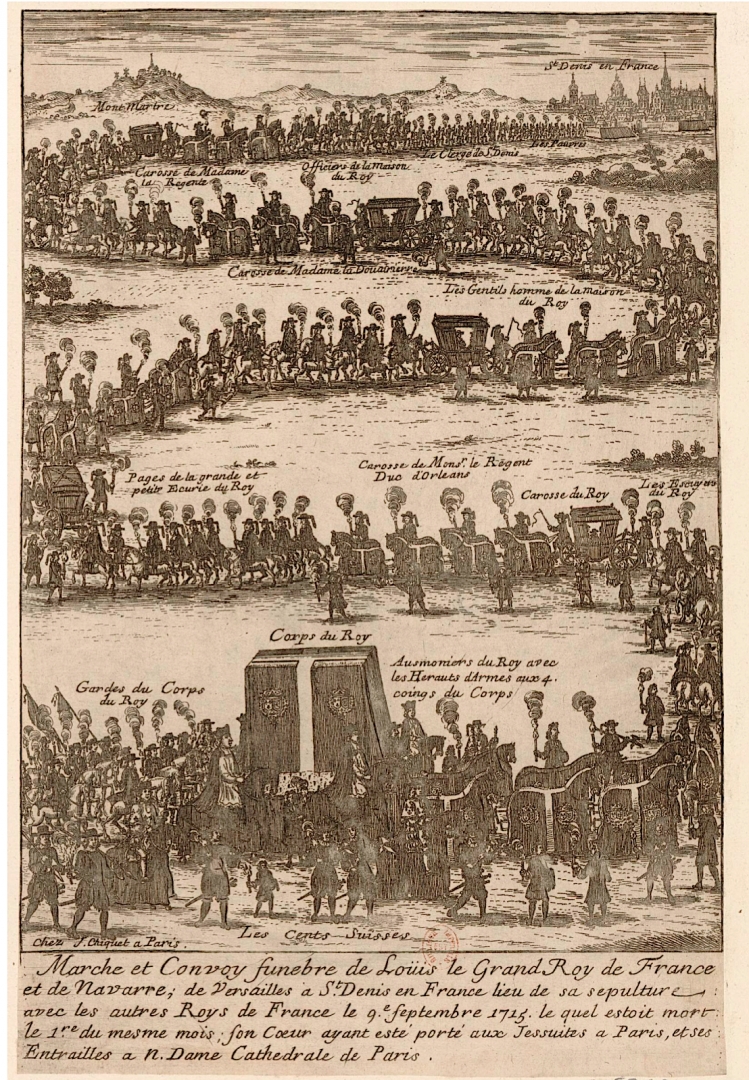
Shortly before his death in 1715, Louis wanted to do something about the stench and ordered that all faeces be removed from the corridors once a week.
Under Louis XV, flush toilets were introduced. However, these were replaced by new odours, as by the end of the 18th century many rooms had been fitted with small kitchens. Now the corridors were filled with the smells of cooking, were sometimes full of smoke, and washing-up and kitchen waste were piling up.
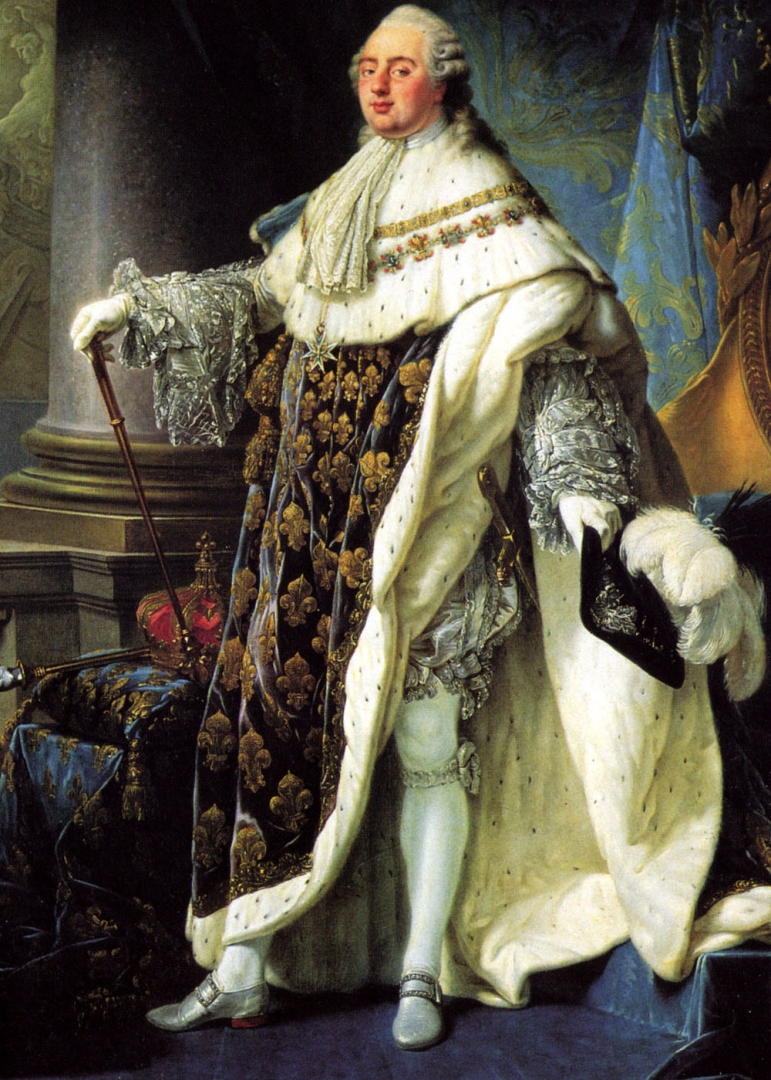
But Louis XVI, who was now on the throne, and Queen Marie Antoinette did not have to worry about any of that. They wanted for nothing; they led a life of luxury whilst the ordinary Frenchman was penniless due to an economic crisis. The king and his wife acted as if nothing was amiss and continued to spend a fortune on extravagant balls and dinners, but they had lost the people’s sympathy. Throughout the kingdom, and particularly in Paris, where there was a shortage of grain and bread, people were disgusted by the king, who was squandering money whilst his people were starving.
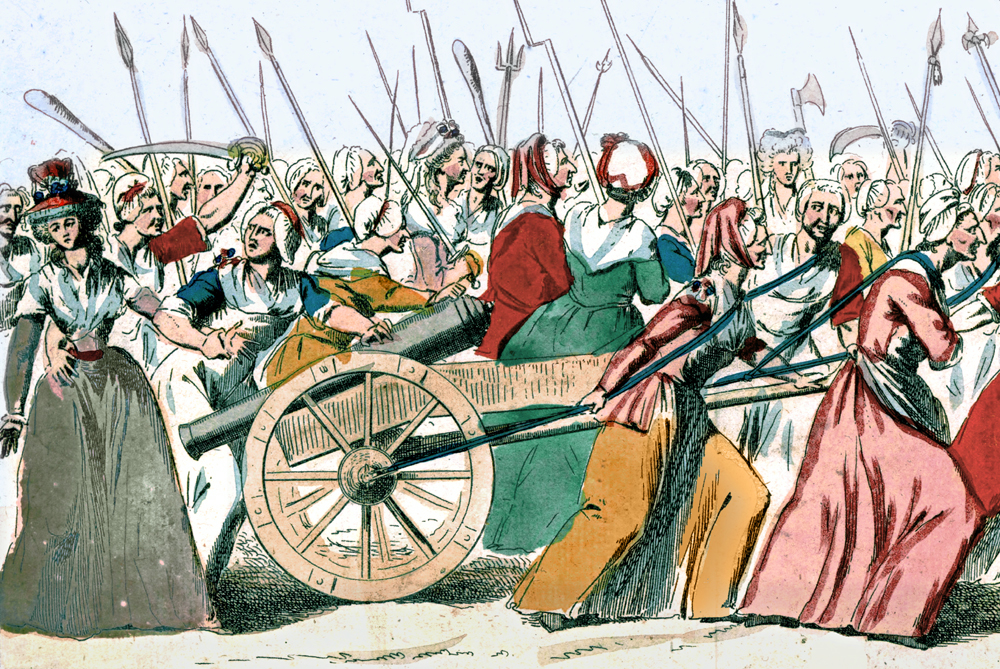
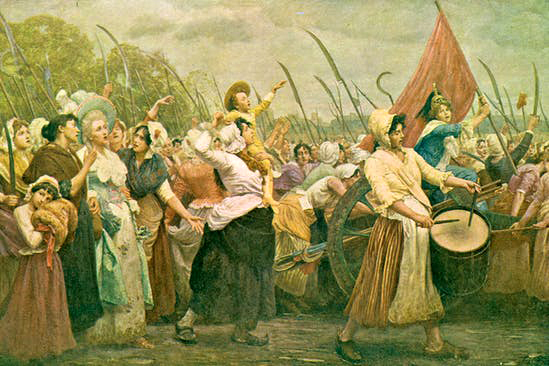
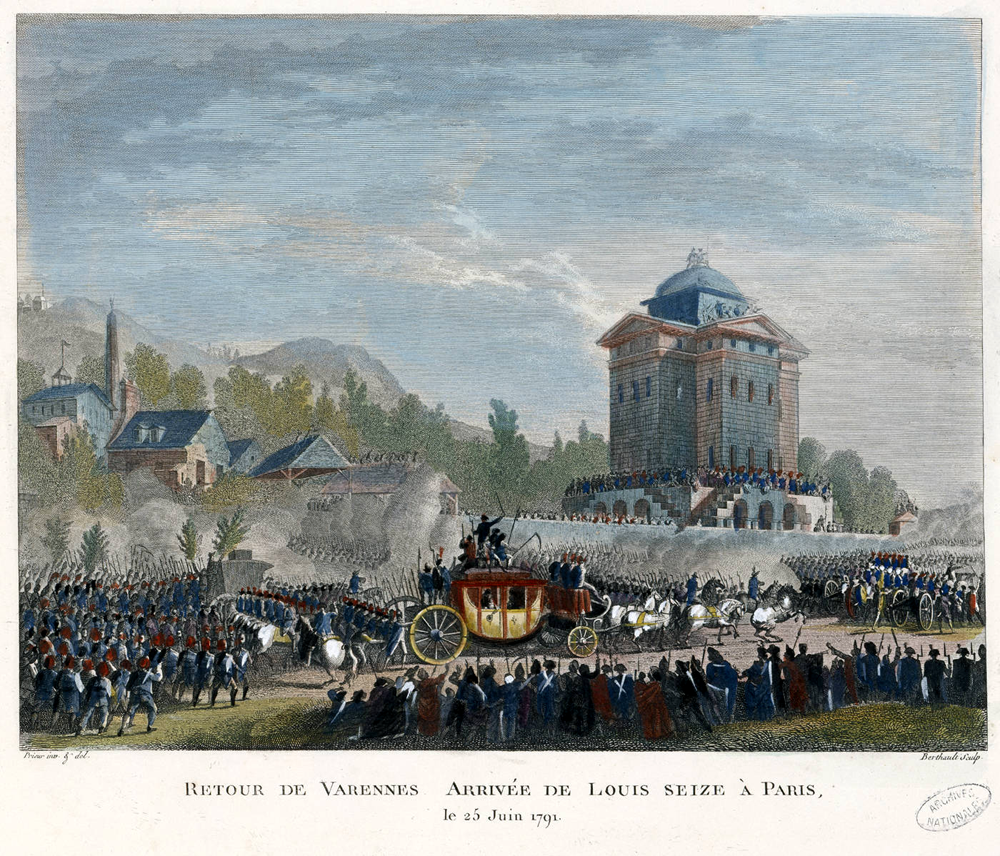
In the autumn of 1789, the people rose up against the monarchy and Versailles, which symbolised inequality in society. Under the slogan ‘bread for the people’, thousands of people marched from Paris to Versailles on 5 October. Armed with knives, pitchforks, clubs and guns, the crowd stormed the palace. The demonstrators demanded that the king do something to tackle poverty in his country. Under severe pressure, the royal couple moved to Paris, where they were forced to take up residence in the Tuileries Palace.
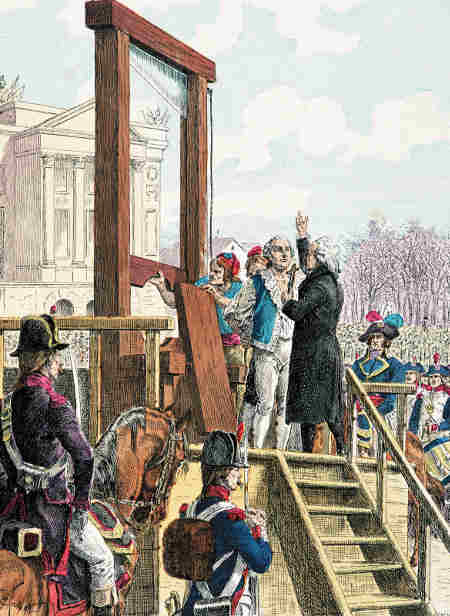
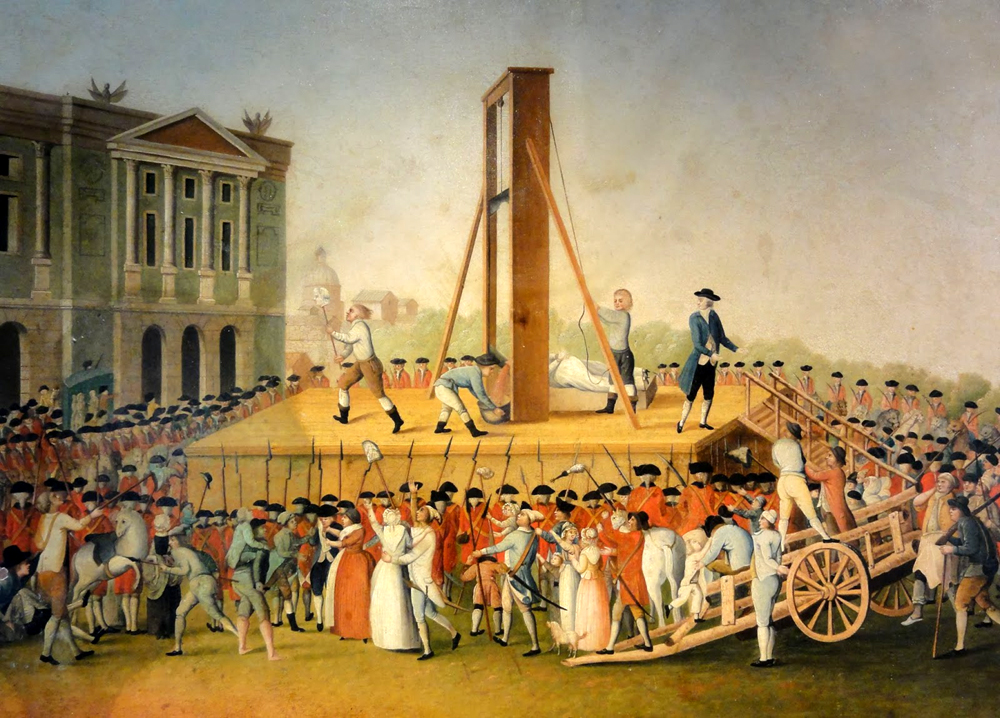
This brought to an end the 107 years during which Versailles had been the centre of power in France. And for the royal couple, their misery had only just begun. In 1792, the monarchy was abolished and, a year later, Louis and Marie Antoinette were beheaded by the guillotine.
♦ Marie-Antoinette
Zij vluchtte in een fantasiewereld
Als Marie-Antoinette niet aan het winkelen was, speelde ze in een nagebouwd dorpje boerinnetje met haar hofdames.
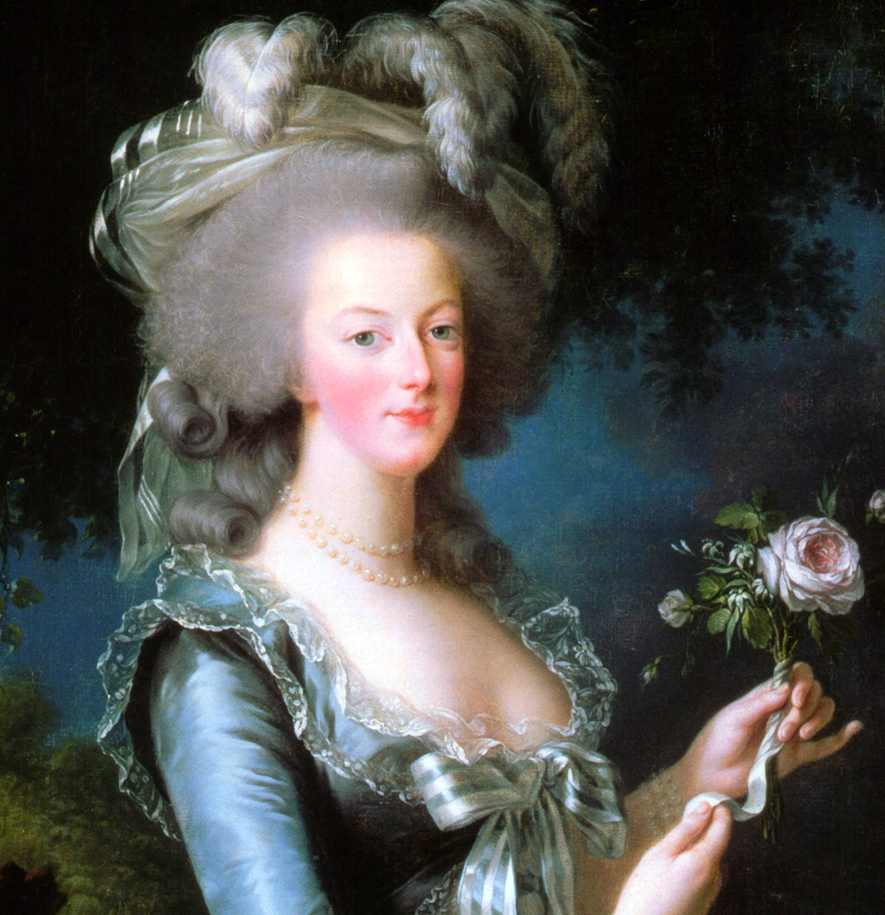
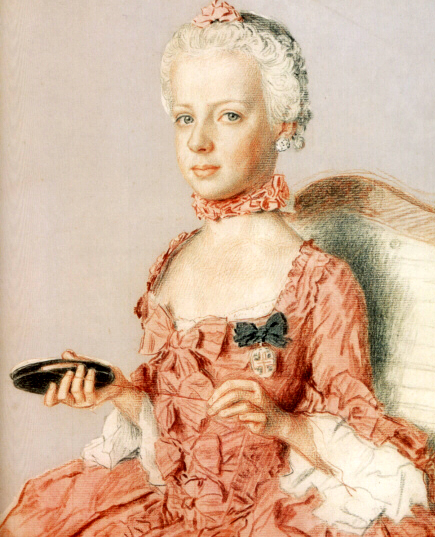
Marie-Antoinette was only 14 when she married the French Crown Prince in 1770. She had enjoyed a simple upbringing at the Austrian court, and for her, Versailles was a gilded cage.
Out of sheer boredom, she spent a fortune on dresses, shoes and jewellery, until she found a new hobby.
In 1783, after nine years as queen, Marie-Antoinette had the miniature village of Le Hameau built in the park of Versailles.
Idyllic little farmhouses and a mill stood around a small lake, and there were fields, chicken runs and stables to complete the artificial rural atmosphere.
In Le Hameau, the queen could give free rein to her fantasies about country life far from the court. She dressed up as a simple peasant woman in an apron and a straw hat, and to populate her fairy-tale world she hired a small army of milkmaids and farmers.
Source: Historia