
.jpg)


Radioactive cream, corrosive powder and arsenic pills. In their quest for beauty, many women have disfigured themselves, sometimes with fatal consequences.
Pale and pockmarked
For centuries, pale skin was considered the ideal of beauty.
Sometimes this led to infertility, madness or a gaunt face.
What? Toxic face powder
Where? Among the Greek and Roman elite, in Japan and at European royal courts during the Renaissance.
When? Lead white powder has been around for thousands of years. Being pale was particularly important in the 16th century.
Powder containing white lead was one of the first products used by women who wished to be as pale as possible. Archaeologists have discovered powder jars dating from ancient Greece and the Roman Empire. Traces of mining in Greece suggest that the production of white lead was a large-scale industry, and the Greek physician Galen wrote in the 2nd century about the use of the powder by women of high social standing.
But this vanity came at a high price: white lead is highly toxic, and the corrosive powder caused painful eczema and left holes in the skin of the face. Once a woman had started using the powder, she could not stop, for she had to hide her damaged face behind an ever-thicker layer of powder and endure the pain if she wanted to remain beautiful. But a pockmarked face was not the worst of it.
White lead accumulates in the body and can damage the brain and cause infertility. Despite these dreadful consequences, the powder was widely used, and this ancient fad was revived in England from the 15th to the 17th centuries.
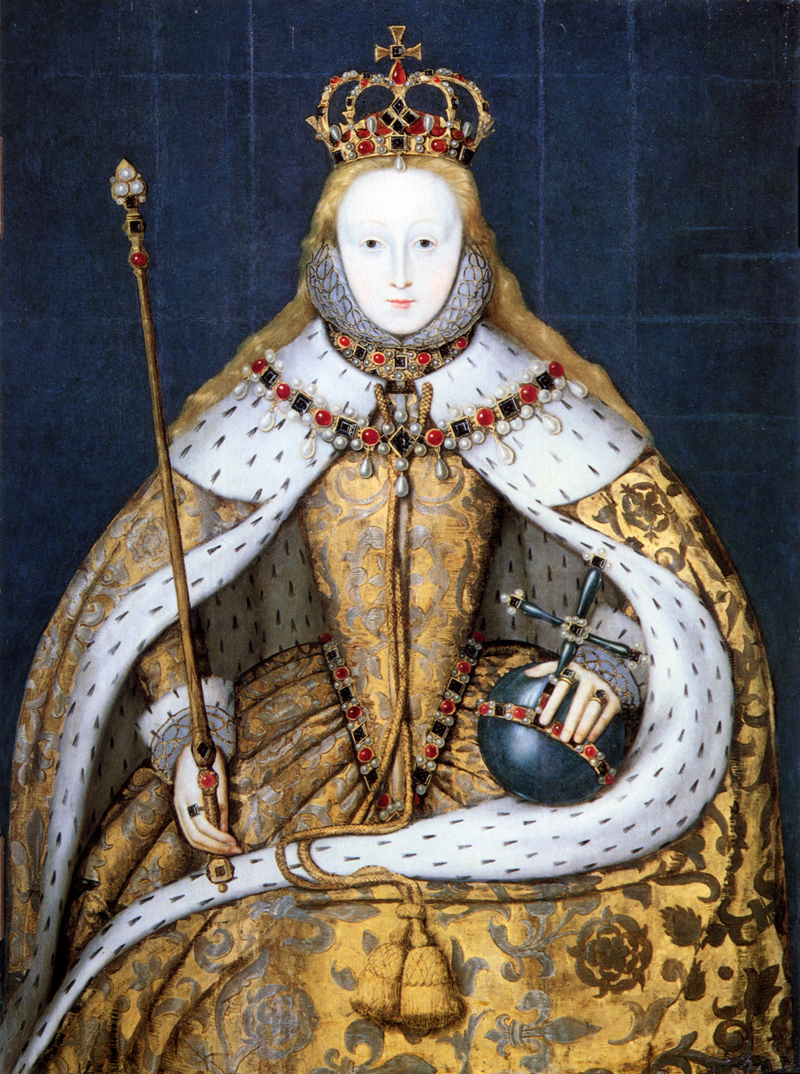
Wealthy English women achieved a lily-white complexion by applying a mixture of egg white and the toxic substances lead white and mercury to their faces.
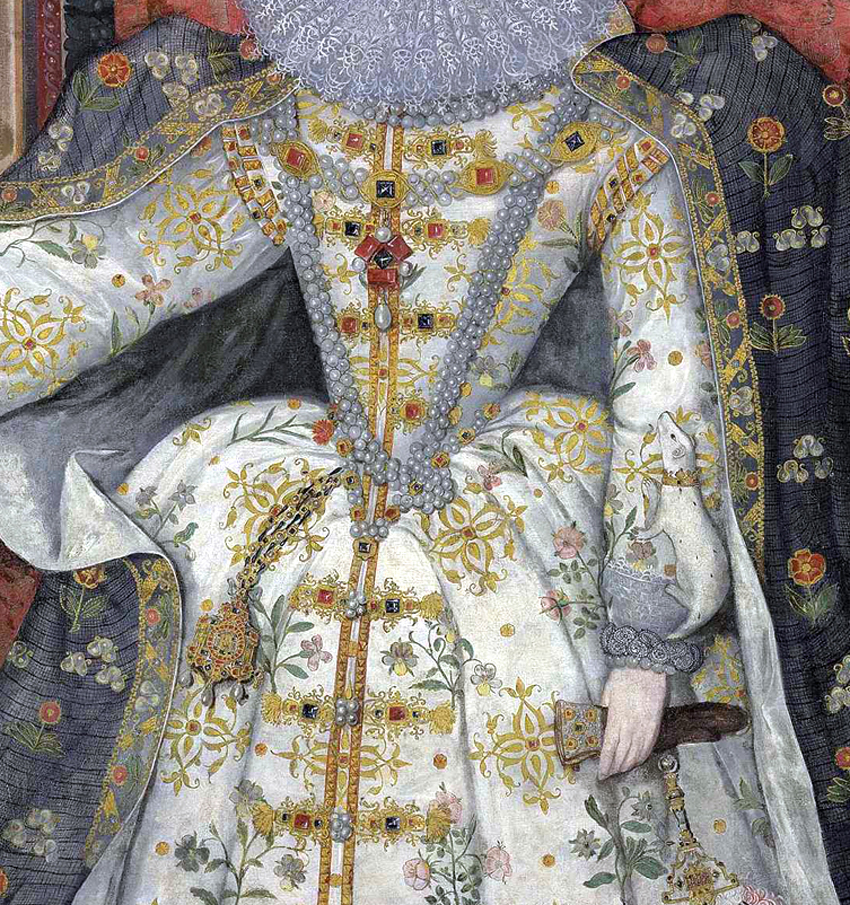
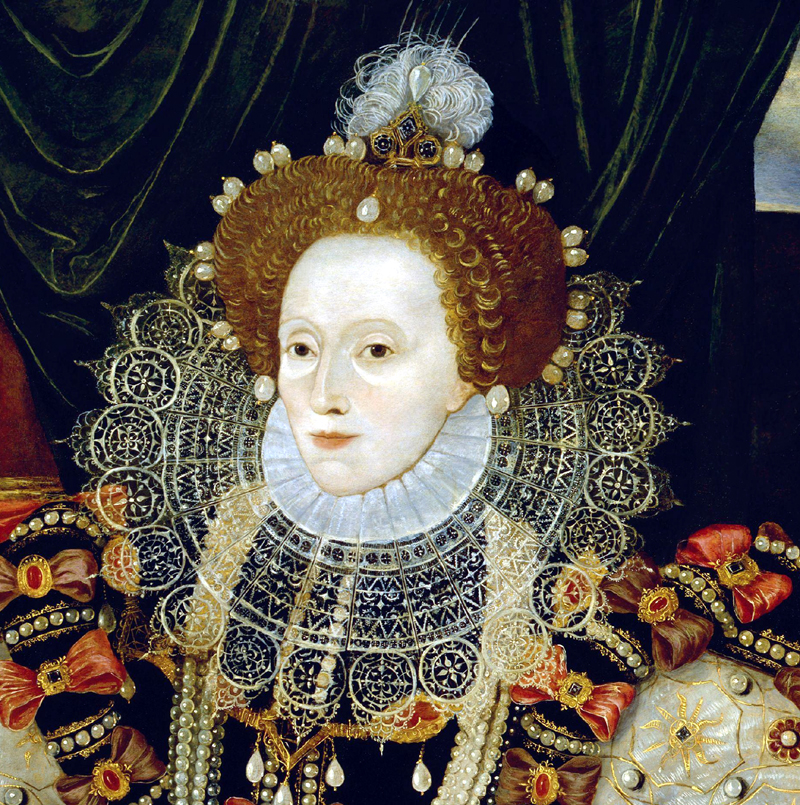
Even Queen Elizabeth I swore by the sticky concoction and was usually depicted with a deathly pale face.
Large pupils, but blind
What? Eye drops made from poisonous berries
Where? First in Italy and Spain, later throughout the rest of Europe and the US.
When? Between the 15th and 17th centuries, and again in the 20th century.
During the Renaissance, women from Venice had dilated, gleaming pupils. Their secret was the sap of thebaneberry, one of the most poisonous plants in Europe.
Eye drops made from the berries dilated the pupils and gave the women a dreamy, sensual look. Side effects of these poisonous drops included blurred vision, eye pain and palpitations. In the long term, anyone who used the drops daily could go blind, as the poison prevents the pupils from contracting to protect the eyes from bright light.
Despite these unpleasant side effects, wolf cherry eye drops became popular once again
in the early 20th century.
350 years of corseted bodies
What? The corset
Where? Among the wealthy middle classes of Europe and America
When? From the mid-16th century to the early 1920s
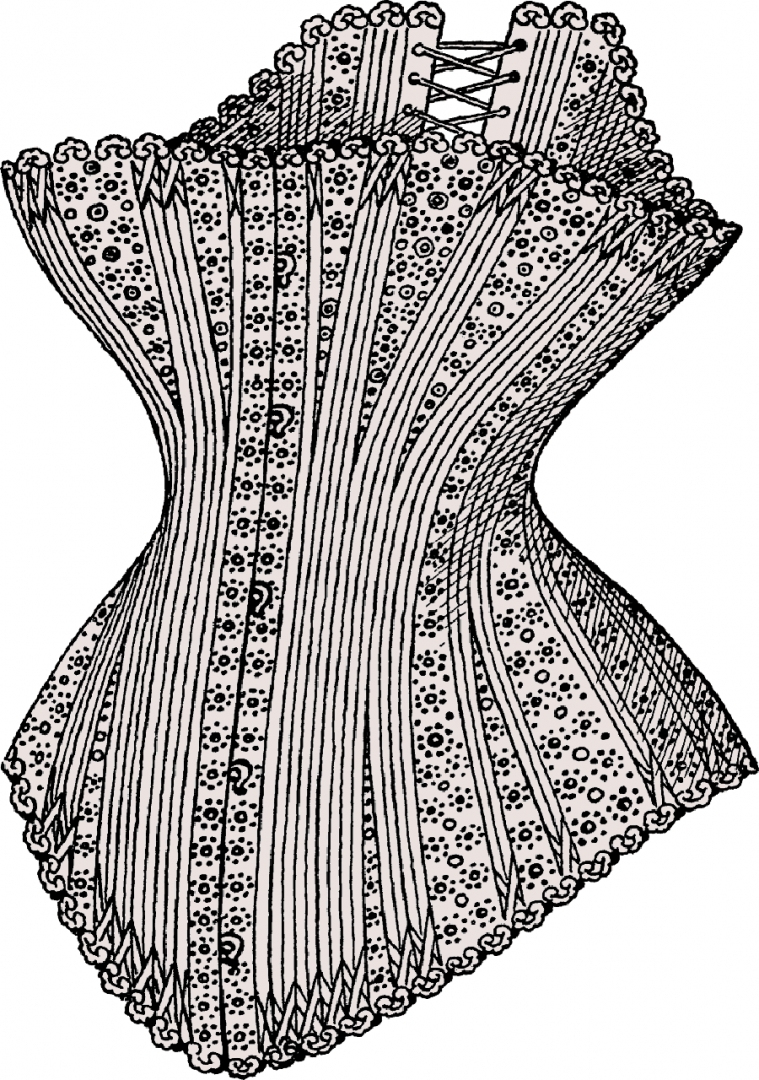
Catherine de Medici, Queen of France, could never have imagined how great her influence on fashion would become when she first put on a corset in the mid-16th century.
For over 500 years, she served as a role model for women who wanted a wasp waist.
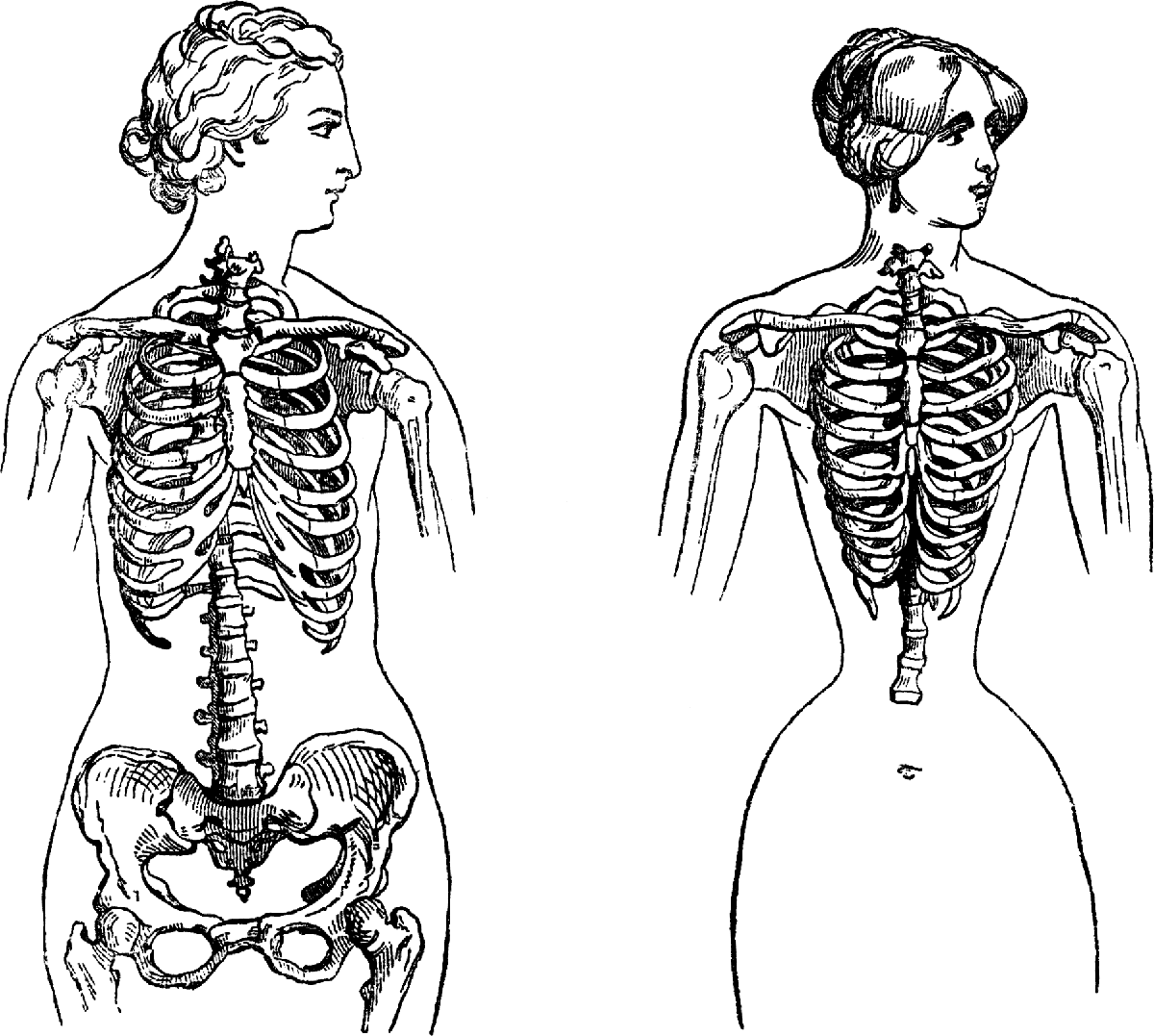
The first corsets were made of iron, but gradually more user-friendly versions made of fabric, reinforced with whalebone, wood or steel for strength, came into use. Not everyone was keen on them, however.
In the 18th century, doctors blamed the corset for breast cancer, organ deformities, tuberculosis, hysteria and a crooked spine.
In 1769, the Danish doctor Jens Bang complained about the ‘terrible mothers’ who laced themselves up so tightly during pregnancy that they suddenly suffered haemorrhages, gave birth to pitifully premature babies and often lost their own lives along with the lives entrusted to them.
In 1893, the American writer Helen G. Ecob wrote of ‘corset livers’ – livers that had been almost split in two by the corset.
The weaker, the more beautiful
What? A sickly appearance
Where? The elite of Europe and the US
When? 19th century
In the Victorian era, a woman was considered charming if she was helpless and delicate. Her appearance was meant to emphasise her fragile beauty.
Only prostitutes and actresses wore make-up, so ladies of high society did not.
Starving oneself was the order of the day. Women curbed their appetites with mixtures of vinegar, opium tonic and lime water.
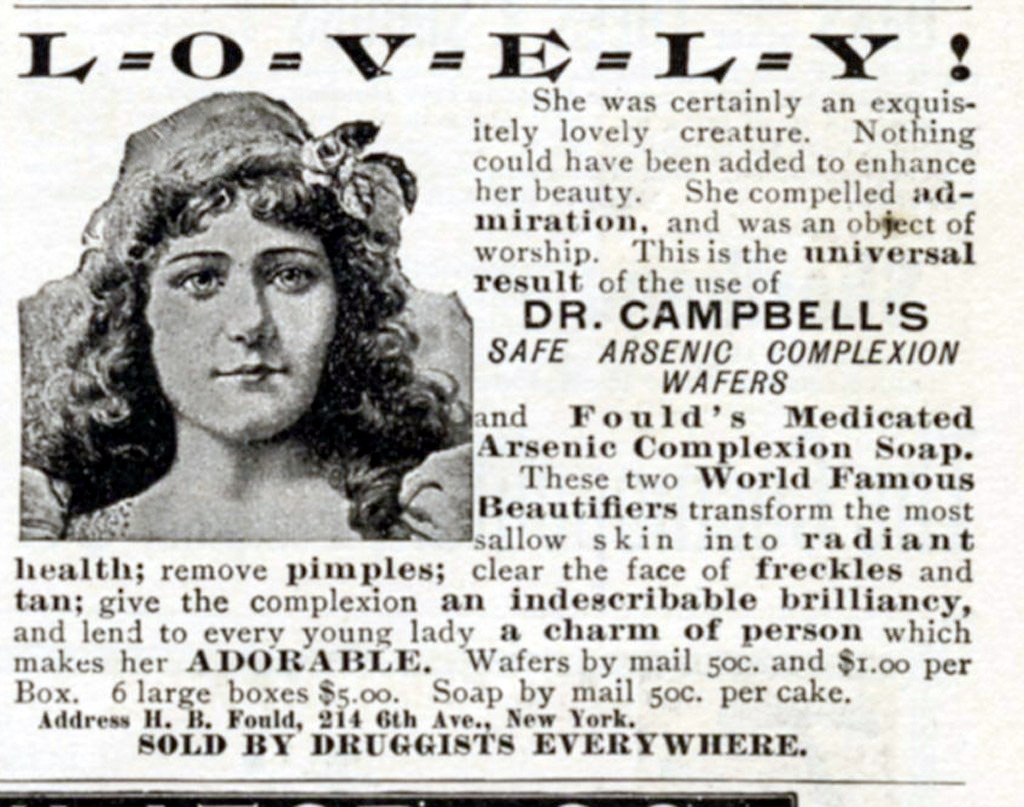
But sometimes the women were not satisfied with the result and resorted to more drastic measures to look pale and fragile, such as Doctor Simms’ Arsenic Complexion Wafers, pills containing the potent poison arsenic.
This inhibited the blood’s uptake of oxygen and resulted in the much-coveted translucent skin.
Straight nose with a brace
What? Nose corrections.
Where? The United States
When? The 1870s to the 1930s
Doctors began performing cosmetic nose operations in the 19th century. But this was an expensive business, and for less well-off women there was an alternative: the nose shaper.
This device consisted of metal plates that were secured to the nose with a strap around the neck and forehead, much like braces. The aim was to straighten the nose.
The first nose-straightening device appeared in the 1870s.
In the early 20th century, Mr Trilety’s Nose Shaper came onto the market.
Trilety claimed to have 100,000 customers
“Thousands of pains” for a hairstyle
The slimmer their figures, the larger the hairstyles of beautiful ladies had to be. Painfully, the hair remained in place for a whole week.
What? High hairstyles
Where? The European nobility, particularly popular in France.
When? 18th century
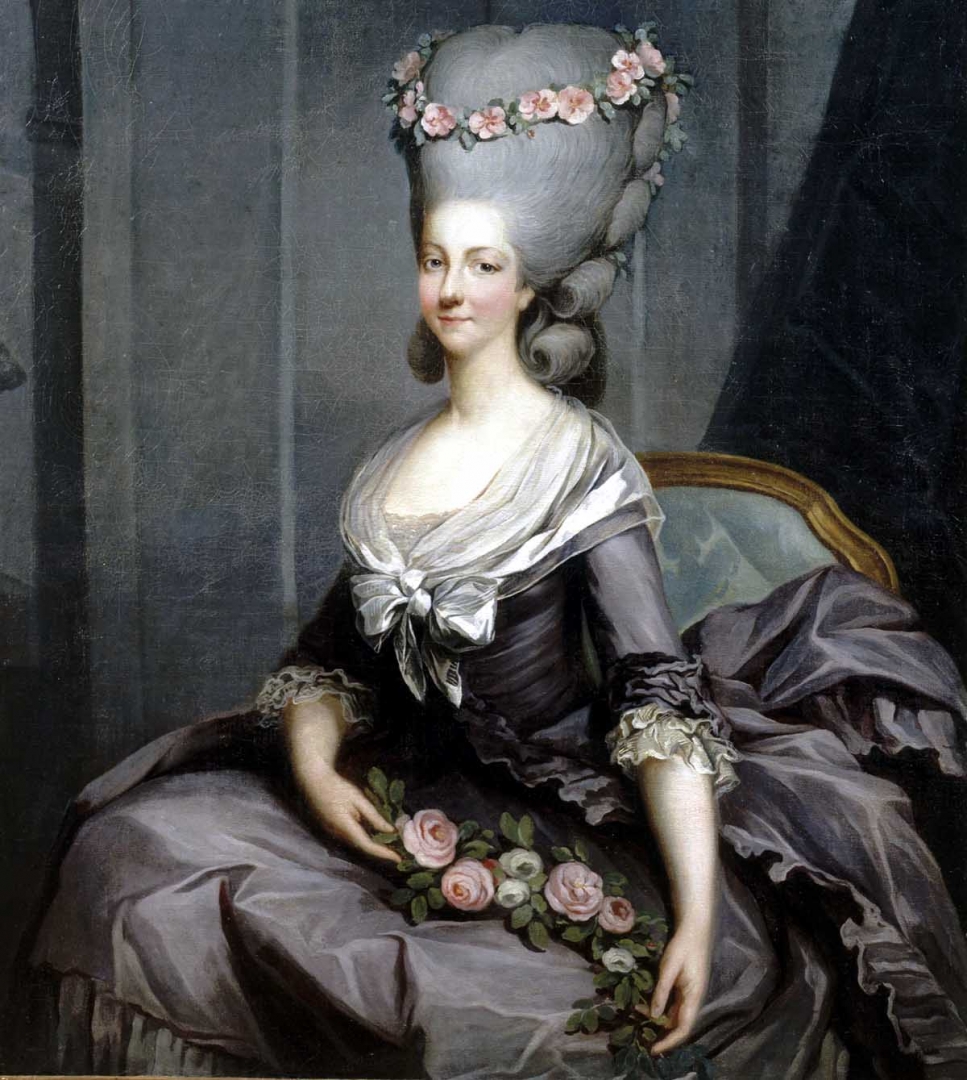
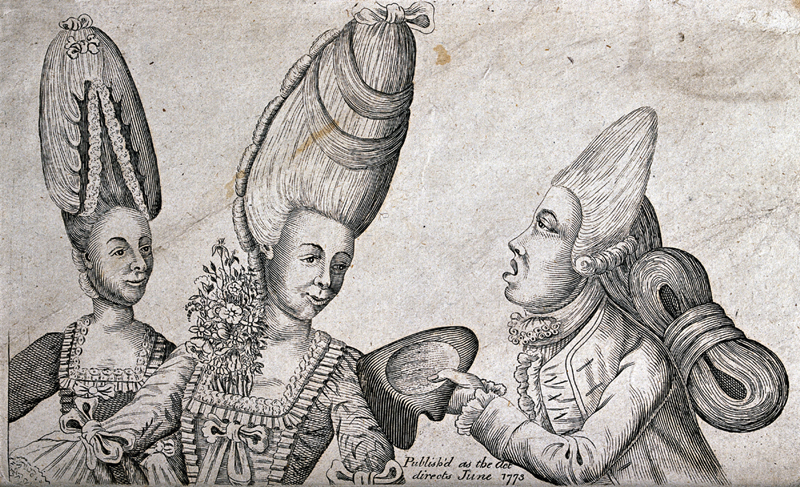
The neck muscles of noblewomen had a hard time of it 300 years ago. Two felt wigs, each weighing half a kilo, were securely fastened to the head and neck, and their own hair was pinned up with the wig hair into a tower of curls using 15-centimetre hairpins.
The whole thing was then stiffened with a greasy pomade and powdered with flour. The German writer Frederike Brun recounts the ‘a thousand pains’ she endured as a teenager in the 1780s whilst her bristly, matted hair was combed out and stripped of any remaining pomade and powder. And in the evening, my poor, burning head was put back in order. It took hours for the hairstyle to be ready, and the construction had to remain in place from Saturday to Saturday.
Ten years earlier, the trend had been set at the court of the French Queen Marie Antoinette, where hairstyles soared to unprecedented heights.
Tiny works of art, 60 cm high, were adorned with tulle, bows, feathers and entire battle scenes. It took half a day to construct such a hairstyle, so it had to last a month, which did not bode well for hygiene. The ladies had to kneel in the carriage, and the lard-based pomade attracted mice and lice.
Women plucked out their hair
What? Hair from the forehead was removed to create a high forehead
Where? The middle classes in England and France, amongst other places.
When? Mainly from the 15th century until the end of the 16th century
In England, a high forehead was considered a sign of intelligence and beauty. Ladies and members of the nobility would therefore pull their hair back from around their foreheads and temples and comb the rest of their hair tightly back so that their foreheads were shown to their best advantage.
Even their eyebrows and eyelashes had to go.
Small feet are erotic
What? Bound feet
Where? Among wealthy Chinese families
When? From around the 11th century, banned in 1912
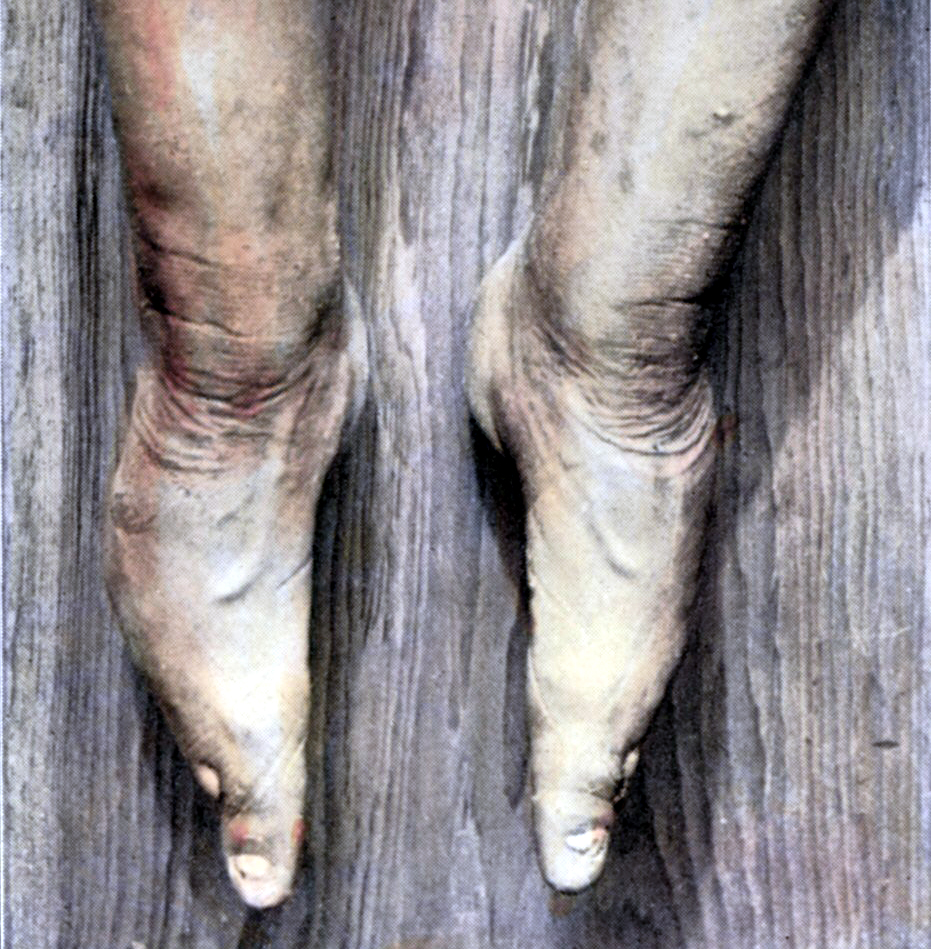
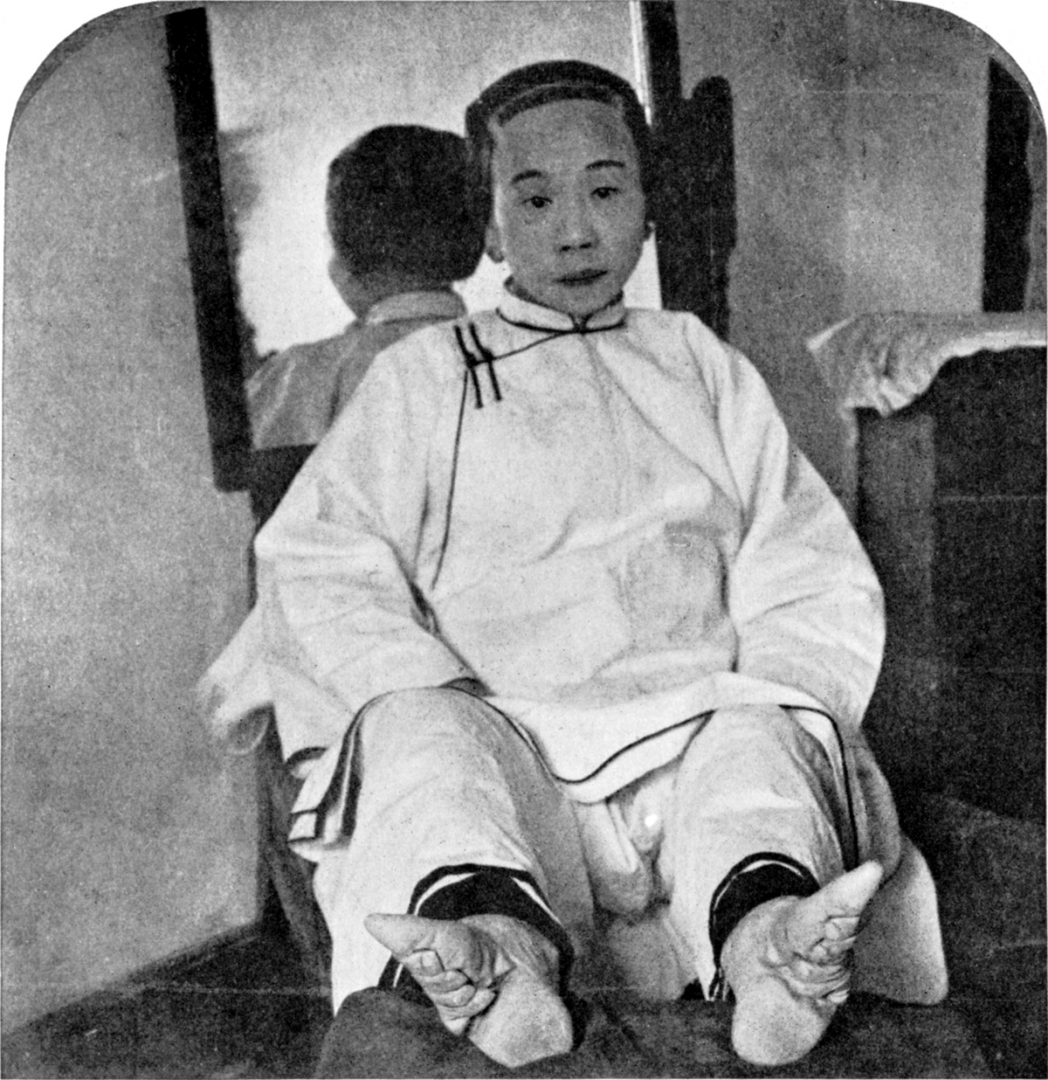
When archaeologists opened the tomb of the 16-year-old Chinese girl Huang Sheng in 1975, they finally had proof that foot-binding had been practised amongst the Chinese upper classes as far back as the Middle Ages. The skeleton had tiny, deformed feet, carefully wrapped in gauze bandages.
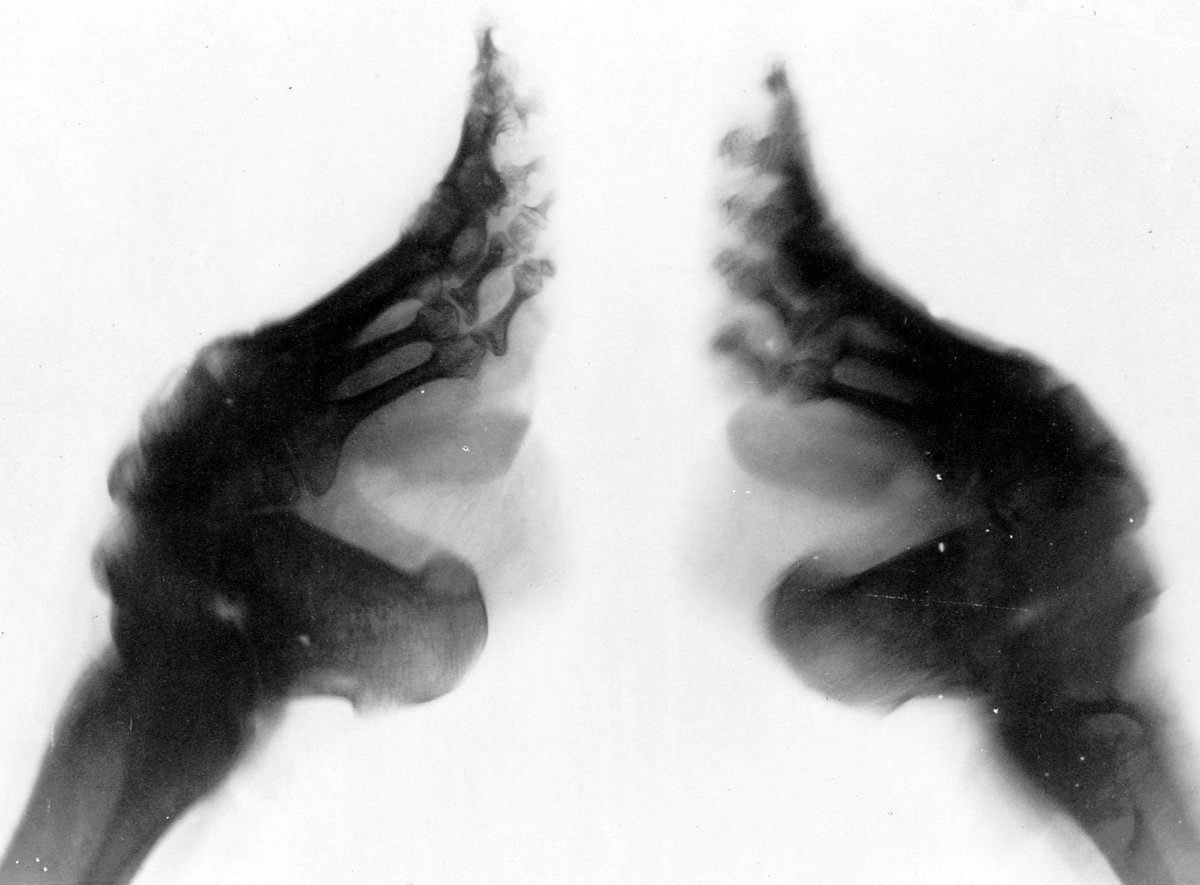
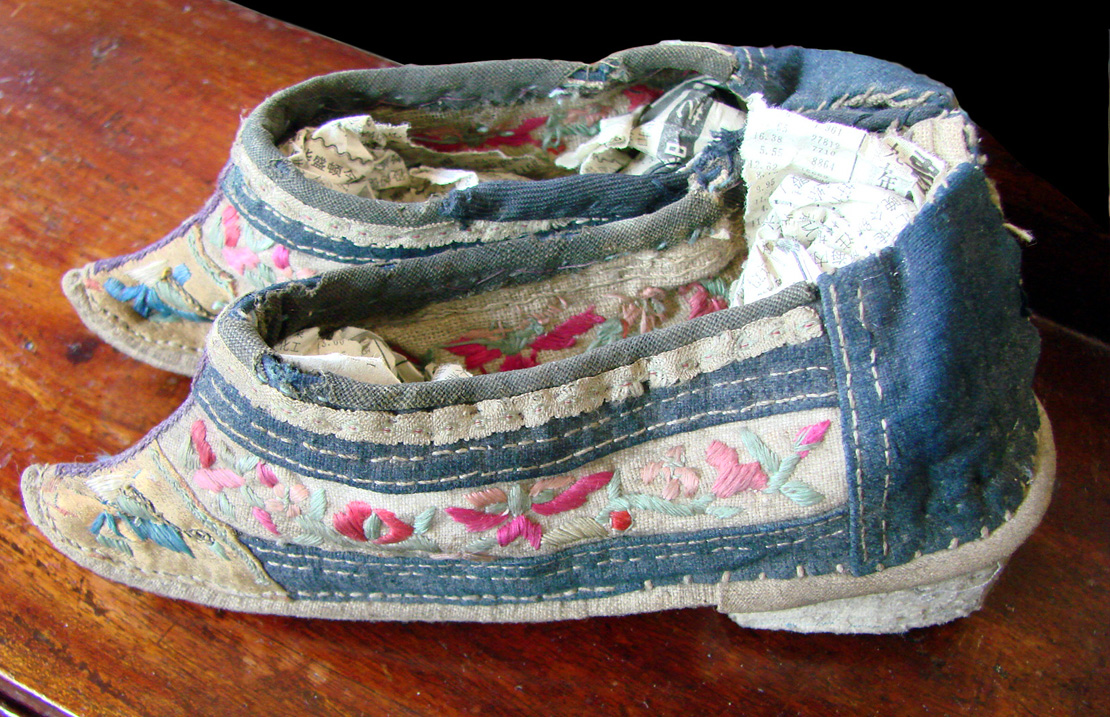
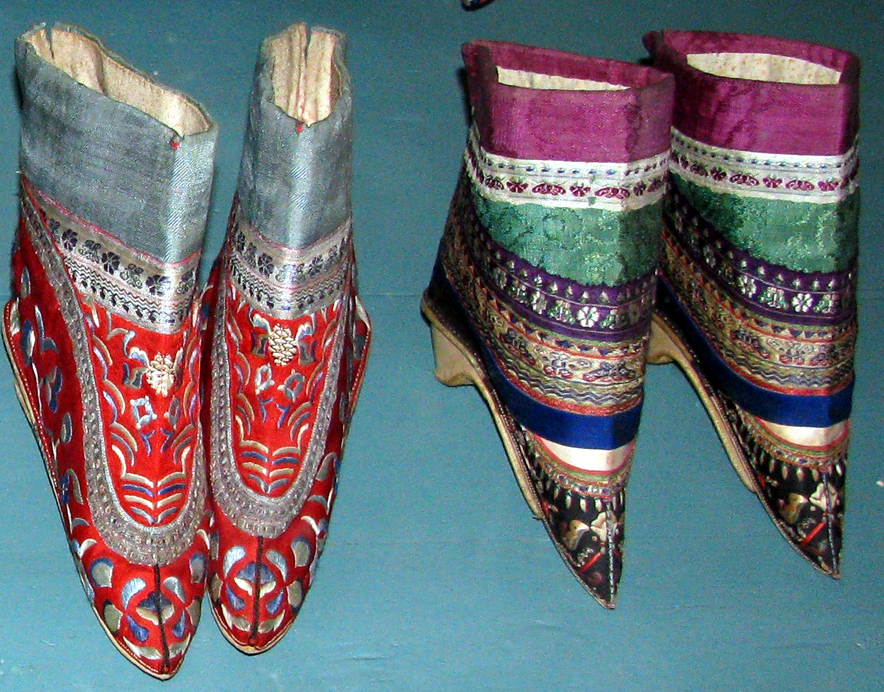
These ‘lotus feet’ were the result of a painful Chinese custom that had been in vogue for around a thousand years. The literally toe-curling process usually began when the girl was seven years old. The four small toes were pressed under the sole of the foot, making the foot much shorter. The big toe was given relatively plenty of space, but its growth was restricted. The girl then had to walk every day on her tightly bound feet to crush them with her weight until they had the correct shape. This resulted in years of excruciating pain, and the bones would regularly pierce through the skin, causing open wounds. Girls died from infections.
In the 20th century, ‘lotus feet’ were regarded as highly erotic in China, and the most beautiful women hobbled about on feet measuring between 7 and 9 cm from heel to toe. The practice was banned in 1912.
There are still older women with disfigured feet in China.
Source: Historia