
In the 19th century, the British copied everything Queen Victoria and her family did, and no effort was too great for them.
♦ Victoria broke with tradition
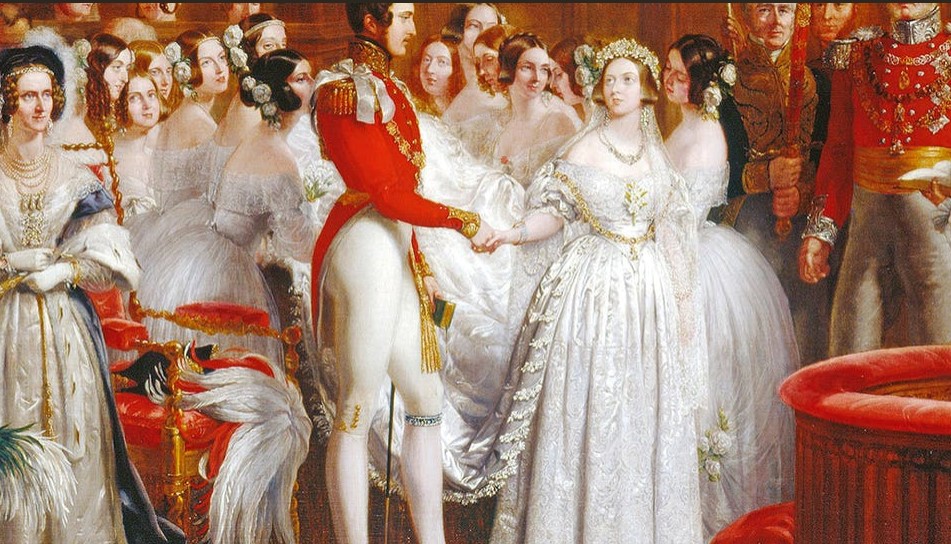
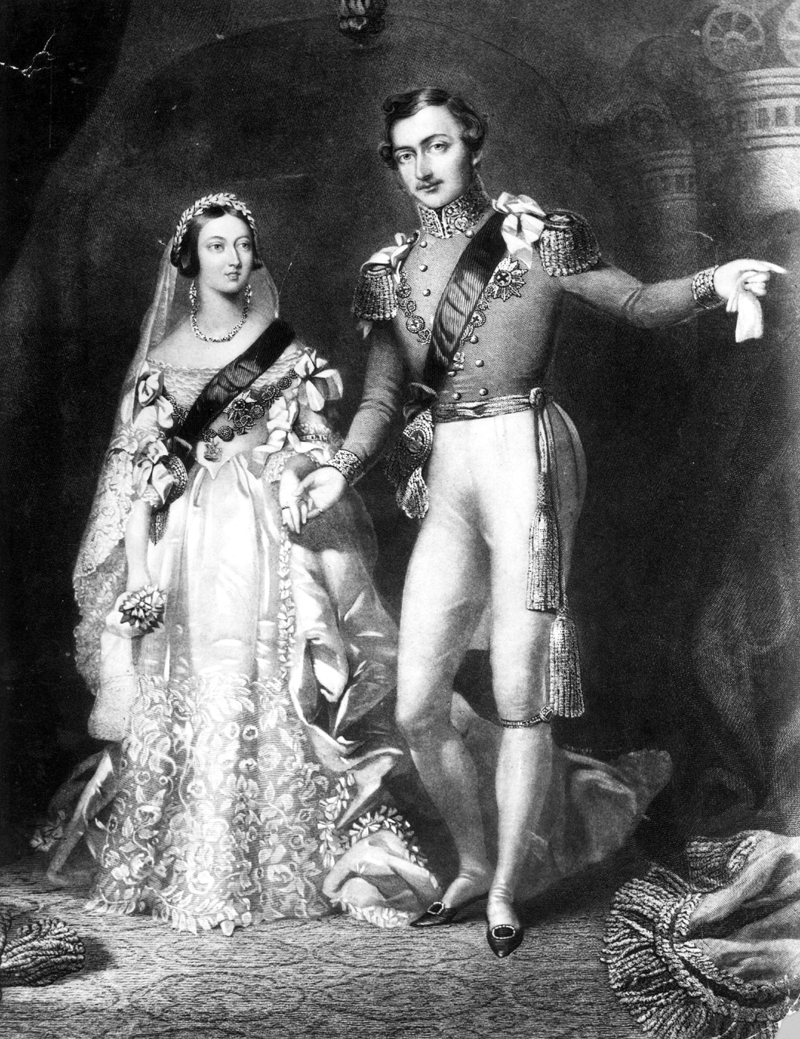
A wedding dress was supposed to be in bright colours, which were expensive to produce.
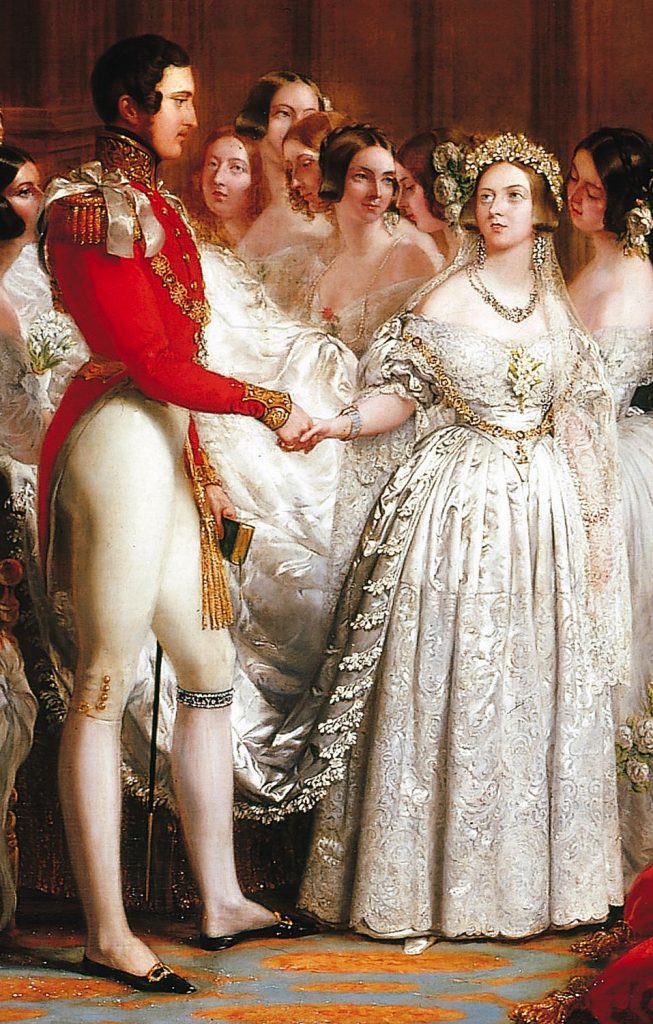
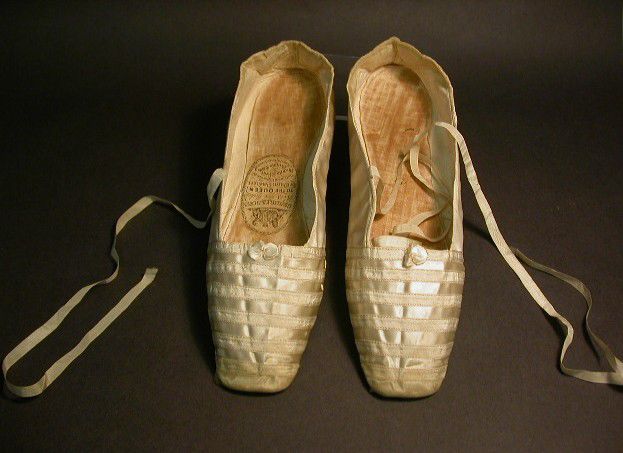
But when Queen Victoria married her German cousin Albert of Saxe-Coburg in 1840, she appeared in a white satin dress with a five-metre-long train. From then on, fashion-conscious women could no longer be seen in the customary colourful wedding dresses.
The popular women’s magazine *Godey’s Lady’s Book* wrote: ‘White is the most appropriate colour, regardless of the material.
It is a symbol of chastity, innocence and the pure heart that the bride bestows upon her chosen one.’
♦ Prince Albert had no taste
A top hat was for young dandies. When the ‘stove pipe’ first appeared in London in 1797, according to the press, children wept and women fainted.
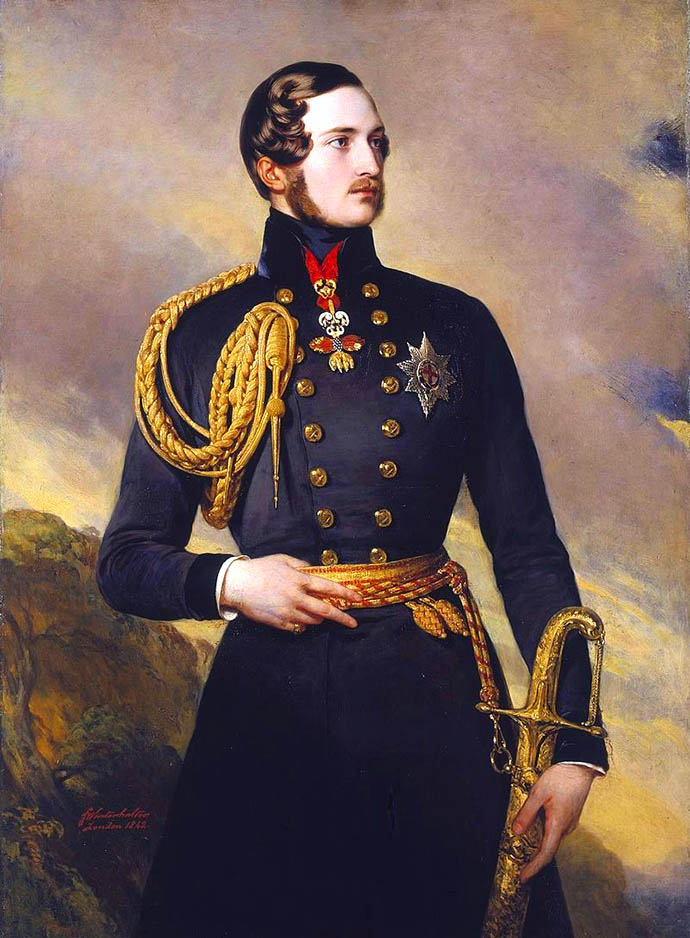
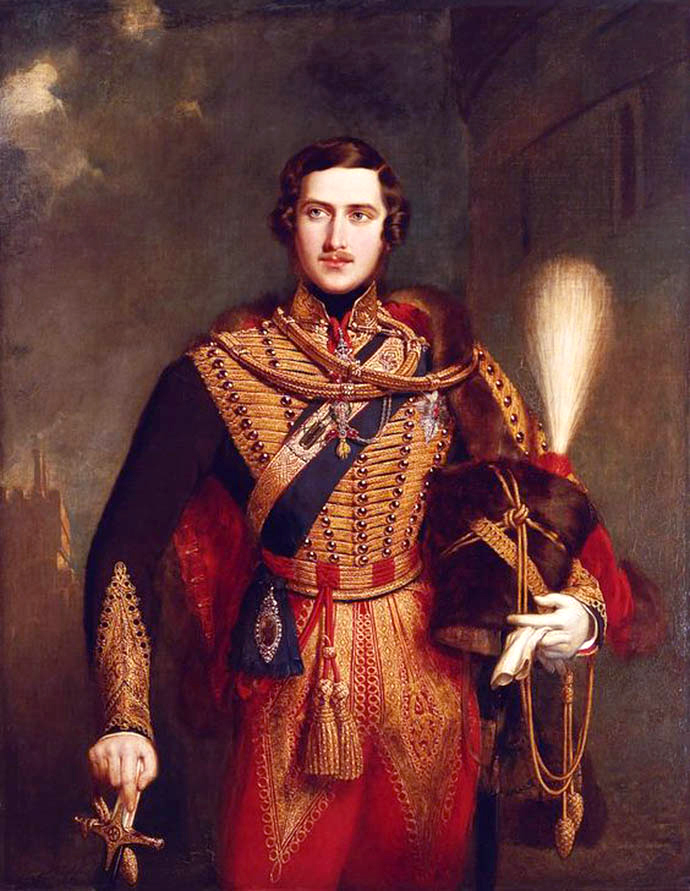
A true gentleman would not be seen wearing one. But in 1850, Prince Albert bought one, and before long, a man was considered out of the loop if he did not wear a top hat.
♦ Christmas took on a German flavour
Christmas trees had existed even before Prince Albert, but the German custom only became an established part of Christmas after newspapers had published drawings of the royal family gathered round a Christmas tree.
♦ Chloroform eased labour pains
British doctors were sceptical about anaesthetising women in labour with the new drug chloroform.
‘I regard the substance as a capitulation to human weakness, particularly that of the weaker sex,’ wrote one doctor.
But Victoria paid no heed. During her eighth childbirth in 1853, she had herself anaesthetised, after which a whole generation of women demanded chloroform.
The first anaesthetists were able to set to work.
♦ Everyone wanted to visit the Scottish fairy-tale land
The peace and quiet came to an end when the sleepy Scottish Highlands received a royal visit. Before long, the area was teeming with English visitors.
In 1842, the peaceful Scottish village of Pitlochry received distinguished visitors. Victoria and Albert stopped off on their tour of the Highlands, and they stayed for three weeks at nearby Blair Castle. The Queen fell head over heels for the village.
In her diary, she wrote: ‘Everything here exudes tranquillity and peace and makes you forget the turbulent world.’ Prince Albert was also impressed. Pitlochry reminded him of his native region of Thuringia in Germany. He described it as ‘fairytale-like’.
This led to a veritable invasion of English tourists. Hotels had to be built to accommodate all the visitors, and in 1863 Pitlochry got its own railway station. The influx of tourists only grew when Victoria’s personal physician recommended the healthy air of the Highlands.
♦ Young prince brought dragons back from Japan
Tattoos were for sailors, until Prince George, a grandson of Victoria, had his skin inked when he was 16. Not long after, the New York Times reported: ‘In England, it is considered fashionable to tattoo a young woman’s leg.’
♦ The Queen kept her grief private
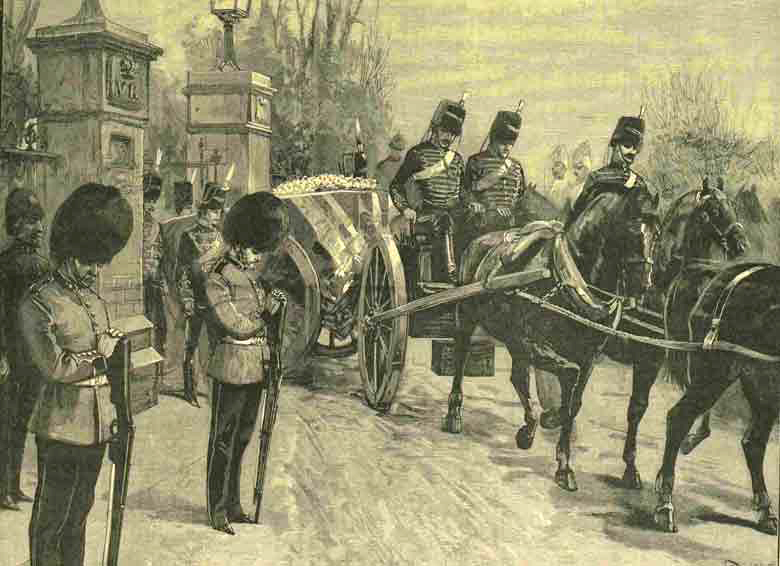
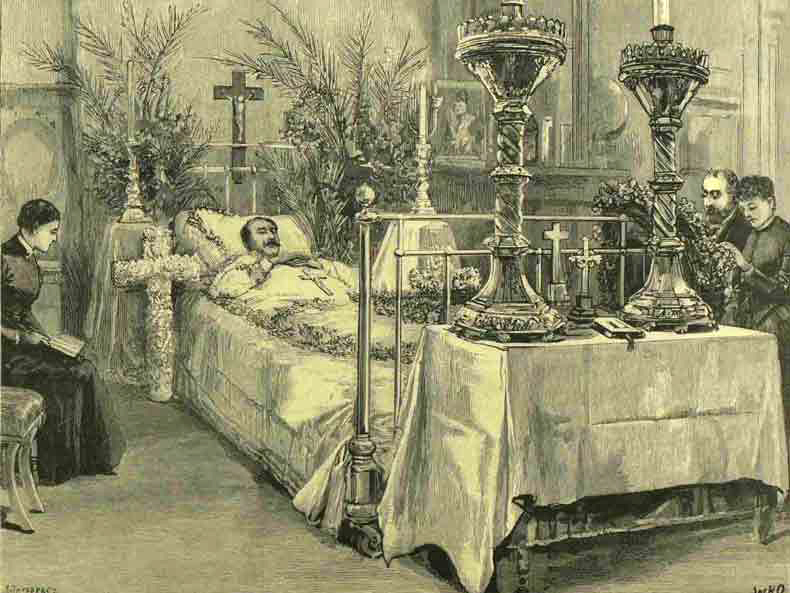
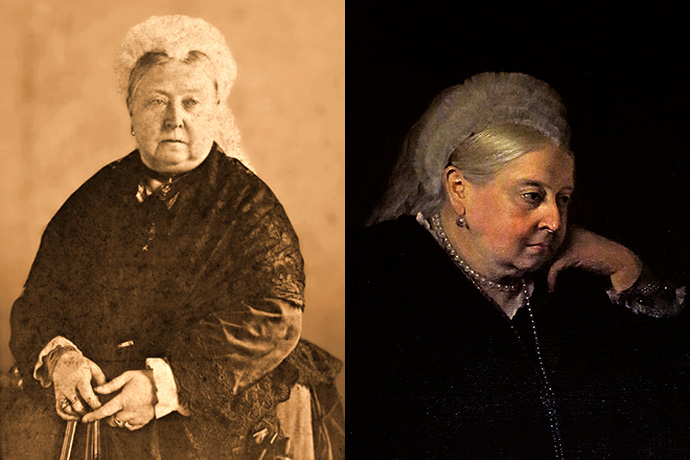
When Prince Albert died, Victoria shared her grief with the whole nation. For 40 years she wore black, and she commissioned one monument after another in her husband’s memory.
In 1861, Prince Albert succumbed to an intestinal disorder, and his wife made no secret of her grief. The Queen laid her husband to rest in a grand mausoleum near Windsor Castle. Albert’s sarcophagus was carved from the largest block of granite in the country – Victoria’s body was later to be laid to rest there too.
The mausoleum, where Victoria could commemorate her beloved Albert, was not completed until 1871. In that year, she opened the Royal Albert Hall concert hall in London. And next to it stood a monument, the Albert Memorial.
The Queen’s obsession gave rise to a national cult of the dead. Wealthy Britons had their deceased relatives interred in grandiose funerary monuments. There was no room for this in London’s cemeteries, so a vast city of the dead sprang up outside the city.
‘Necropolis’ was served by two railway stations, and trains ran back and forth – carrying mourners by day and bodies by night.
♦ Mourning was on display
After Albert’s death, Victoria wore black for the rest of her life. Ordinary Britons were not required to remain in mourning for that long, but an official period of mourning became the norm. The bereaved stayed at home, and black velvet draped over the door indicated that visitors were not welcome.
Once the initial period of mourning was over, the family could go out again, but still had to wear black. The clothes had to be of good quality – and reusing clothes from a previous bereavement was strictly forbidden.
♦ Ladies had to walk with a limp
In the late 1860s, many British women began to suffer from a curious condition: they started walking with a limp.
The reason turned out to be Victoria’s daughter-in-law, Alexandra of Denmark. The princess was a role model for young women, who imitated her in everything.
When she began to limp due to an illness, fashion-conscious women had no choice: they took to limping en masse. Shoes with different heel heights made it easier.
♦ Occult séances became a parlour game
In 1861, Victoria began holding conversations with her late husband. On nine occasions, she spoke to Albert through 13-year-old Robert James Lees, who was said to have been in contact with the prince’s spirit. Victoria was convinced that she was genuinely communicating with the realm of the dead.
The court kept the séances a secret, but rumours were rife, and a new pastime was born. With a shudder, people sought contact with the dead through mediums such as Lees or a Ouija board, on which spirits could write.
Guides to the afterlife were on sale everywhere, and in London, over time, there were so many professional spiritualists that they formed a trade union.
♦ The Queen hung above the bed
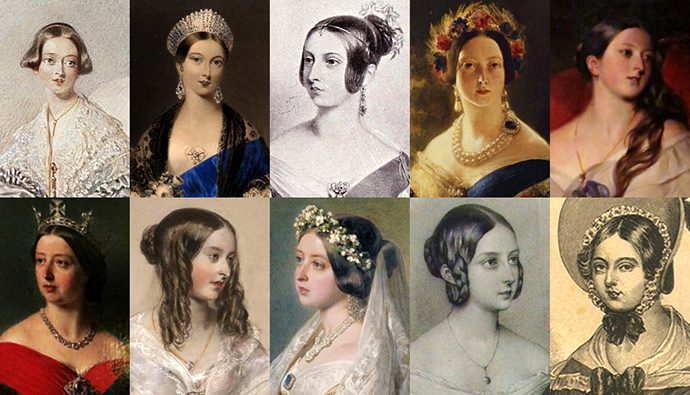
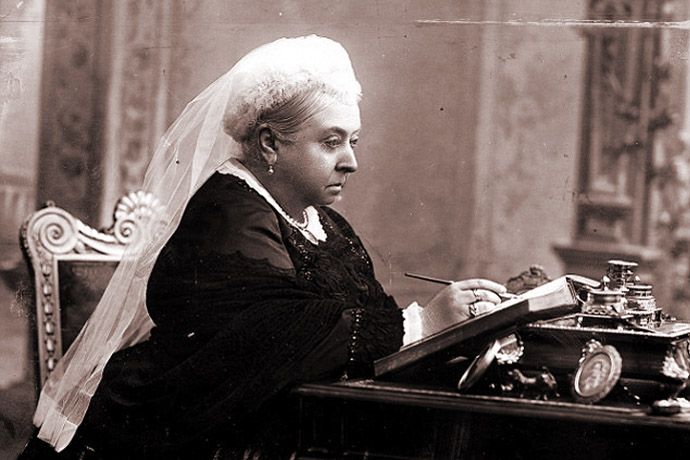
Victoria was fond of photographs, which had become popular during her youth. The earliest snapshots of the Queen remained private, but in 1860 she had her first official portrait taken. The black-and-white photographs of the Queen sold like hot cakes. Within a week, 60,000 copies had been sold.
Source: Historia
by Therese Boisen Haas
10 random facts about Queen Victoria
1. Victoria was a petite woman: she was only 1.52 metres tall.
She was also slender in her youth, but by the end of her life she was morbidly obese and had a waist measuring 1.50 metres.
2. Queen Victoria married her first cousin, Prince Albert, at the age of 20.
Before they became engaged, they had only met twice. Although it was an arranged marriage, fortunately it was a case of love at first sight. As queen, Victoria had to ask Albert to marry her, rather than the other way round.
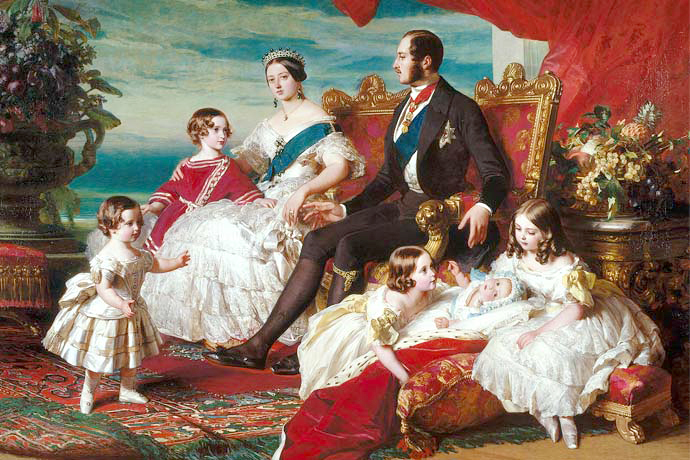
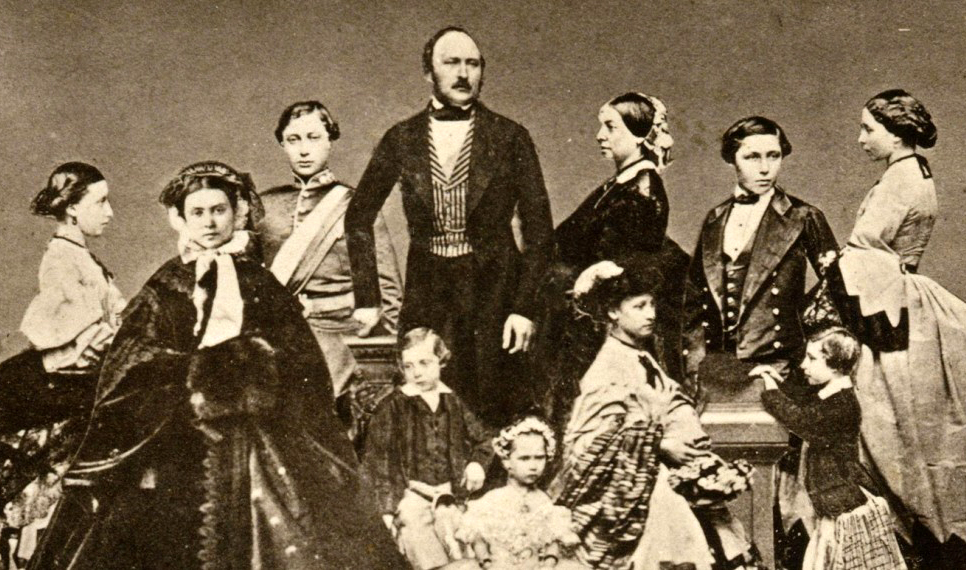
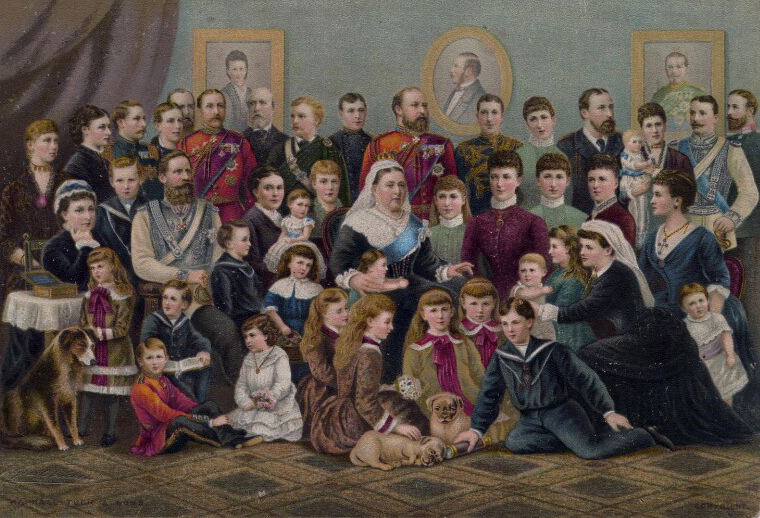
3. Together, Victoria and Albert had no fewer than nine children:
Victoria (1840), Albert Edward (1841), Alice (1843), Alfred (1844), Helena (1846), Louise (1848), Arthur (1850), Leopold (1853) and Beatrice (1857).
Although large families were not uncommon in the Victorian era, this was still somewhat unusual for a royal couple. Usually, the number of children stopped at ‘a heir and a spare’, but Victoria and Albert apparently enjoyed each other’s company so much that they decided to have more.
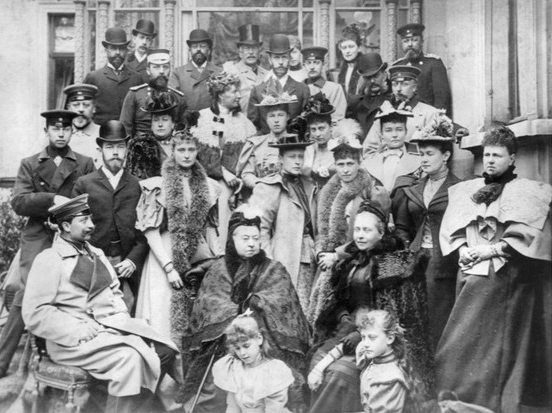
4. Victoria’s eldest grandson (later Emperor Wilhelm II of Germany) and her youngest child, Beatrice, were only about 1.5 years apart in age.
Fortunately, Aunt Beatrice was the older of the two.
5. German was spoken at home,
as Victoria’s mother was German, as was her husband. In fact, the whole family was German. Yet Victoria spoke perfect English, with just one German interjection: ‘So’!
6. Victoria could be very quick-tempered
and had hysterical outbursts which her calm husband absolutely detested. The court feared that she might have inherited the ‘madness’ of her grandfather, the mad King George III. Fortunately, this was not the case; she simply had a somewhat difficult temperament from time to time.
7. Victoria had kept a diary since her childhood
(which her mother read until she was 18). The Queen was a devoted and passionate writer, and it has been estimated that over the course of her life she wrote as many as 60 million words in diaries, letters and so on. That’s the equivalent of around 700 average-length novels!
8. Victoria did not enjoy being pregnant.
She was disappointed that she became pregnant so soon after her marriage and had therefore not been able to spend much time alone with Albert. She also found it physically demanding. The post-mortem examination following her death revealed that she had suffered from a prolapsed uterus – something her doctor at the time was unaware of.
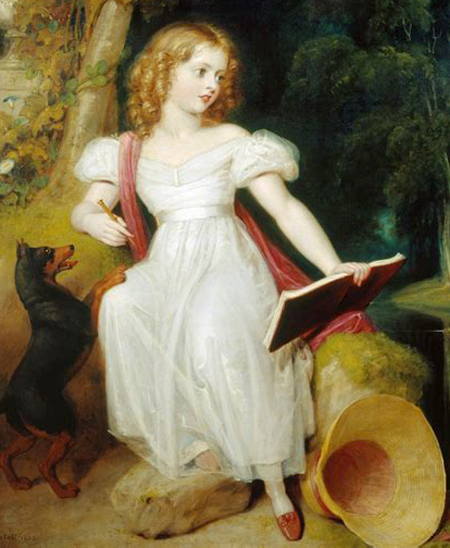
9. Victoria had a talent for drawing
and produced many beautiful sketches and watercolours during her lifetime.
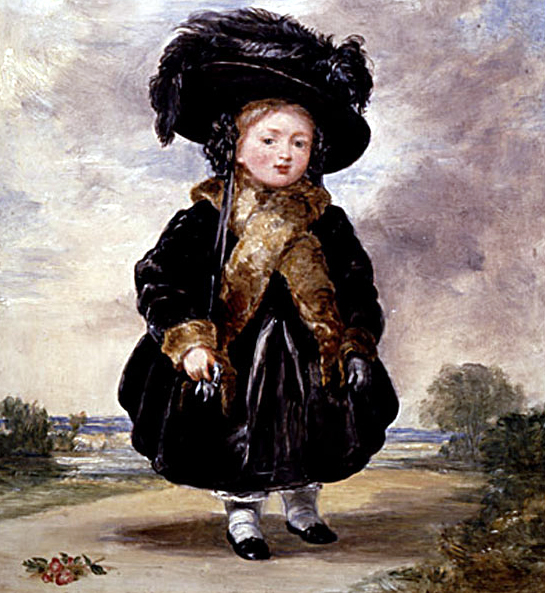
10. As a child, Victoria was afraid of wigs.
One of her earliest memories is said to have been of an old bishop wearing a wig, who wanted to entertain little Victoria. She found that rather scary. Fortunately, the fashion for wigs was already on the wane by then.