
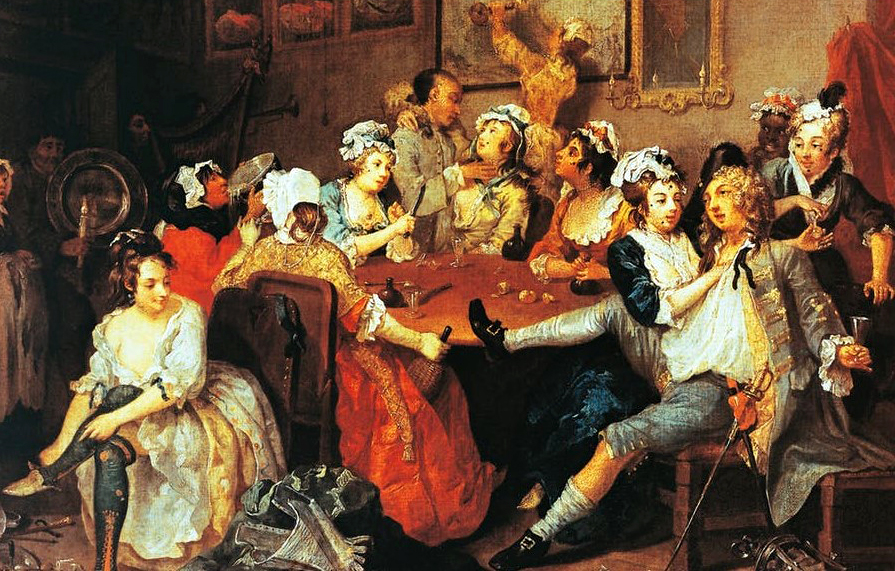
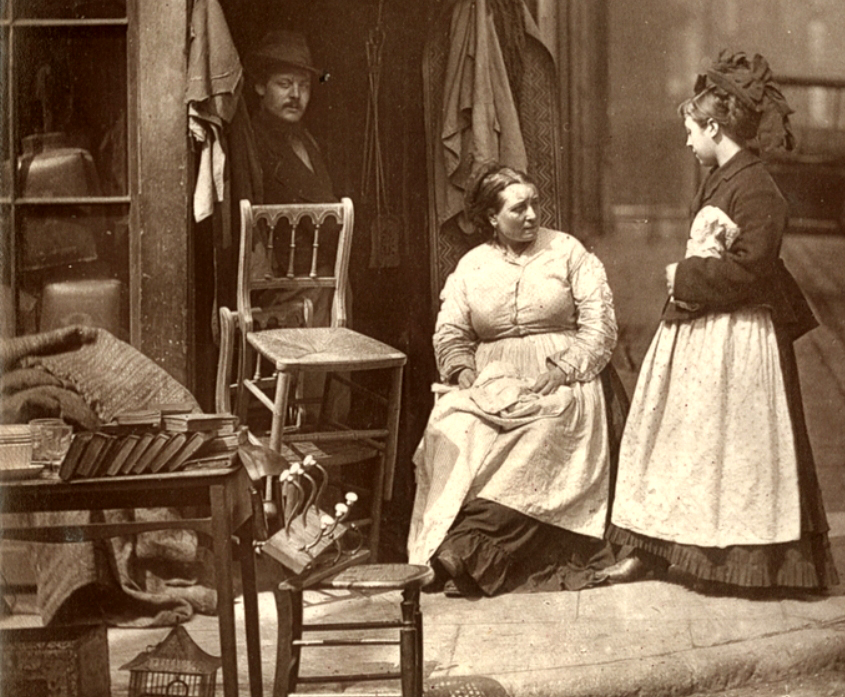
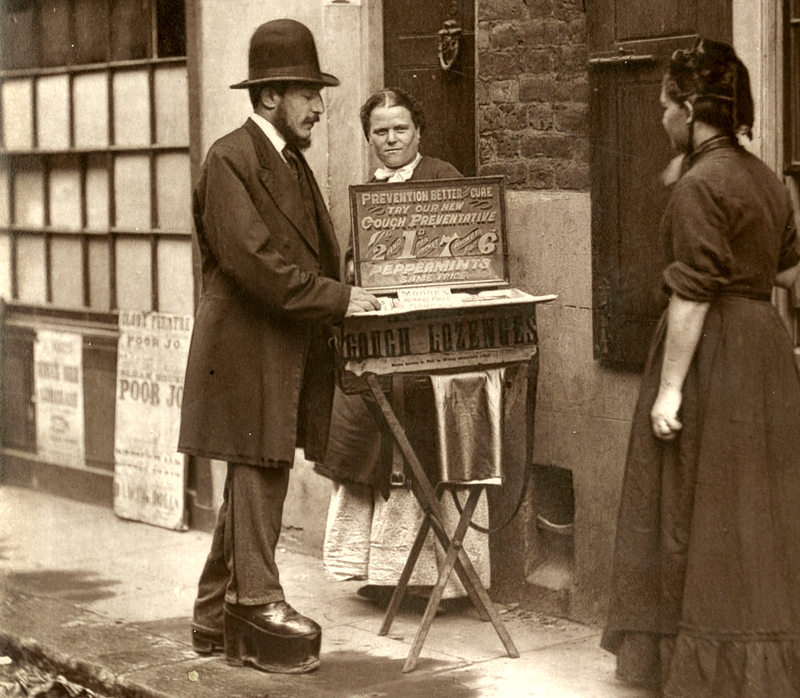
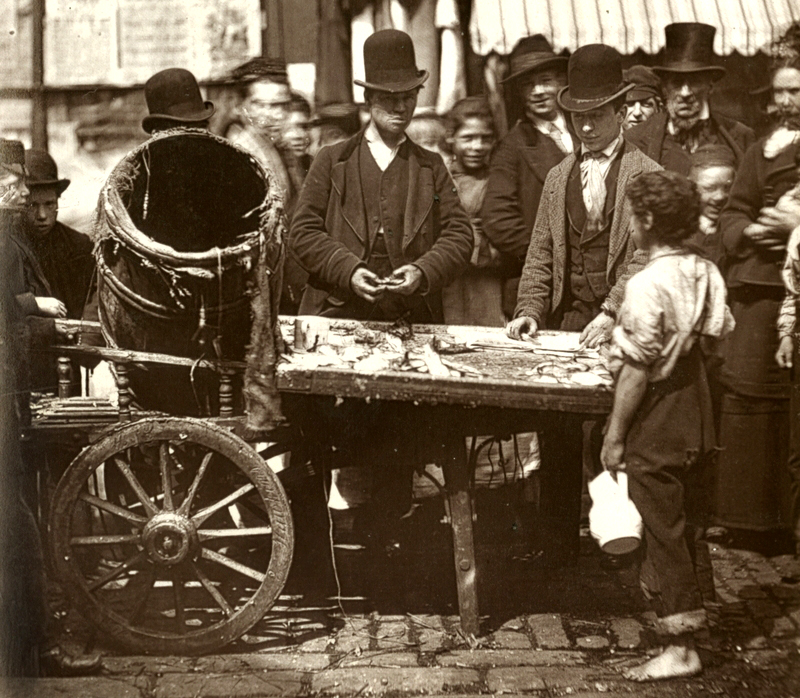
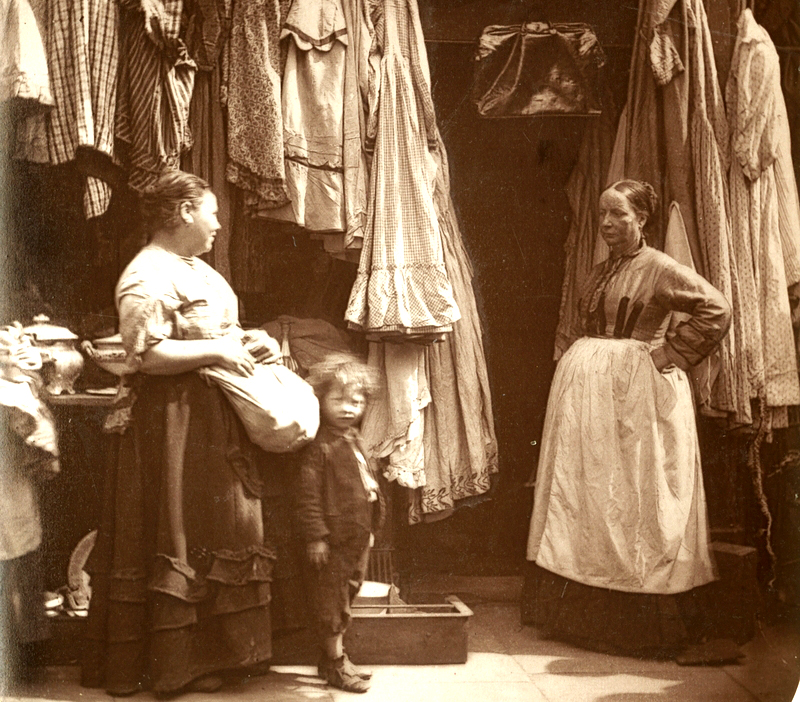
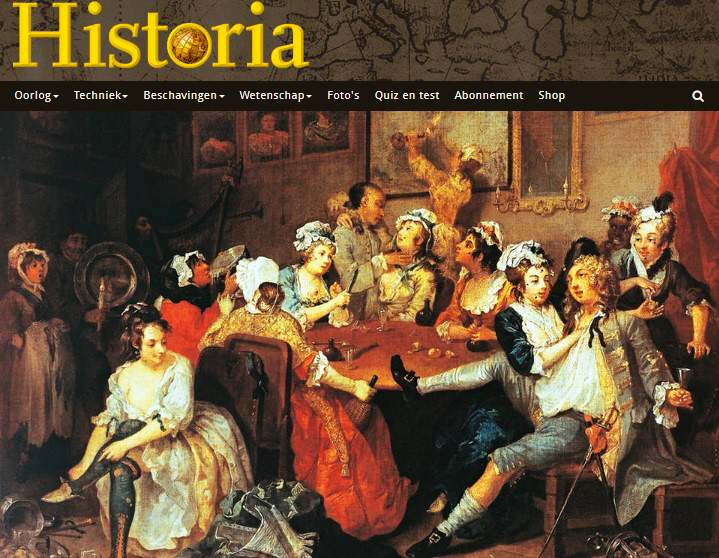
It is estimated that one in five women in London worked in prostitution. And in this city, paid love was not kept a secret.
Money rolls and the drink flows in 18th-century London. Covent Garden, in particular, is notorious. It teems with prostitutes, and they are up for anything. As long as they get paid, of course.
♦ William Hickey
Eighteen-year-old William Hickey walks through the Covent Garden district. The moon shines on the provocatively dressed women beckoning to him and his friends. Loud voices, squeals, and bursts of laughter echo through the night from nearby taverns like Lovejoy's Bagnio, Tom King's Coffee House, and The Finish.
William Hickey has been living in London for a year, where he studies law, but this is the first time he has visited Covent Garden after sunset. He has never experienced anything like this before.
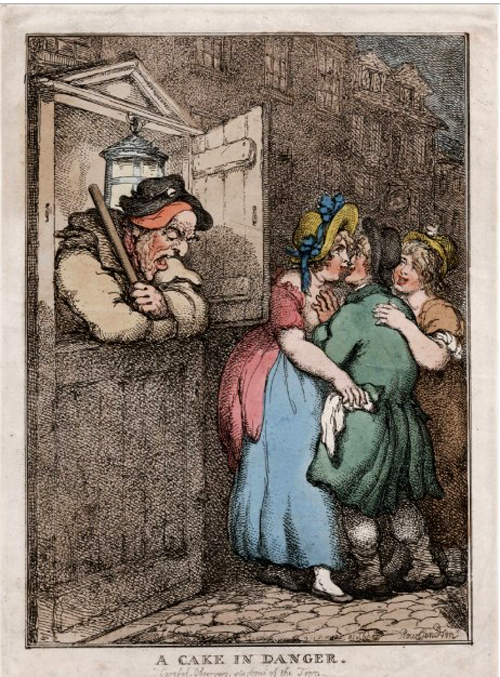
On this spring evening in 1768, the young men are on their way to the notorious nightlife venue Wethersby. They knock, and a peephole slides open. In the light of the streetlamp, Hickey sees the weathered face of an older man behind iron bars.
"Who is there?" asks the man.
"Friends," says one of Hickey's companions.
The door opens.
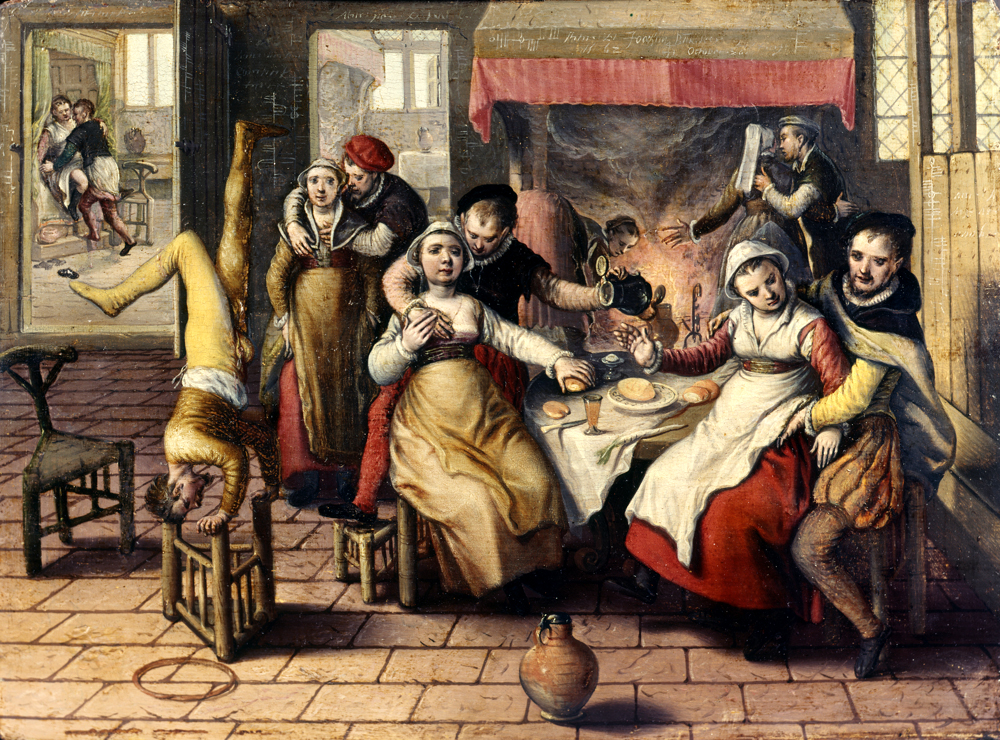
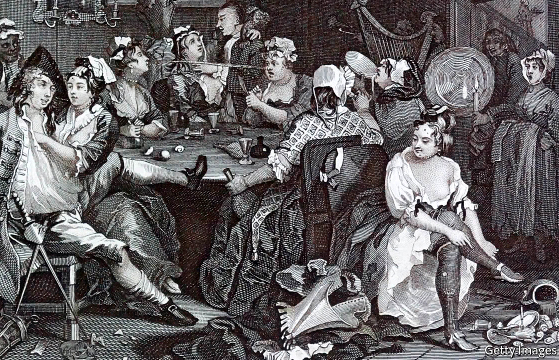
Inside, a debauched scene awaits them. Men and women jostle onto tables, chairs, and benches to watch two half-naked women engaged in a fierce brawl. Their clothes are torn, their breasts exposed. Bewildered, William watches the absurd spectacle.
The boy swears he will never set foot in this pub again. But, as he writes in his memoirs, a month later he is back. And he is not the only one. Covent Garden is the center of nightlife in 18th-century London.
Nobles and artists, laborers and criminals—they all go to Covent Garden to party and enjoy life in the company of a variety of prostitutes. The bathhouses, pubs, and coffee houses in the district are notorious for their bizarre orgies, where brawls, gin, and sex come together in a sinful cocktail unlike any other. One in five works in prostitution, England has become an empire, and London is well on its way to developing into the largest city in Europe and the center of trade and the economy.
At the same time, as a result of the Enlightenment and the rise of science, the church loses its grip on the English population. The result is a capital where money flows freely and alcohol flows liberally.
The city teems with prostitutes. About one in five women is involved in prostitution. And unlike in cities such as Paris and Amsterdam, this is certainly no secret in London.
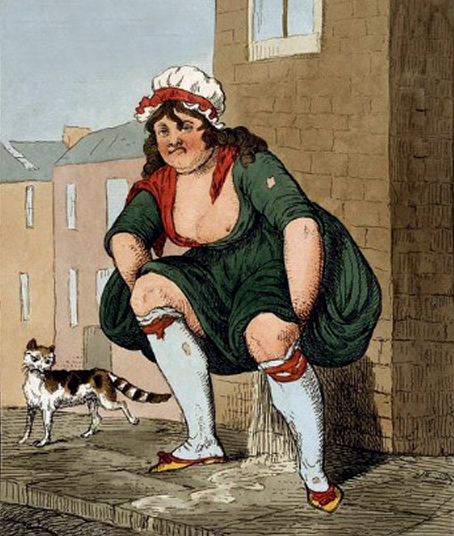
People living north of the Thames cannot avoid the scantily clad ladies in the evenings. Most notorious are the streets around Oxford Street, Fleet Street, and Charing Cross, a shopping and market area during the day.
When darkness falls, a man in this district is quickly approached by women who offer their company or discreetly whisper in his ear: 'I want to marry you so badly.' If the man raises his right arm, he is willing to pay for her services and walks with the woman into a side street or through a gateway. Visitors are shocked by the moral decay in the city.
In 1792, Friedrich Wilhelm von Schütz wrote to his family back home in Hamburg: 'As soon as the streetlights came on, the prostitutes came out, having dressed up and displaying their femininity. I am certain that no other city in the world is as lustful as London.'
♦ King flees from fight
One of the most notorious women in the hedonistic London nightlife is Moll King. Moll is the daughter of a shoemaker and, as a child, sells fruit, fish, and vegetables with her mother. Later, she becomes a prostitute until she marries Tom King. Together, they open Tom King's Coffee House in Covent Garden, where Moll sells coffee, tea, and hot chocolate, and gin to the local underworld.
The coffee house is open at night and quickly becomes both notorious and beloved. Tom King has connections with the aristocracy and drinks with the wealthy customers, while Moll remains sober and ensures that the bouncers deal with the worst brawlers.
The coffee house has no beds, so Tom and Moll cannot be accused of prostitution. However, they do ensure that their customers get too drunk to find their way home and spend the night in one of the brothels in Covent Garden.
'It is a place of nocturnal revelry for every kind of company,' the coffee house is described in the book The Life and Character of Moll King, published in 1747, 'where a nymph simply awaits every man, from greatness to bartender. Here sit girls of pleasure dressed as elegant ladies [...] to better mislead the young men should they be imprudent enough to cast their eyes upon them.'
Various sources relate that even King George II once secretly visited Tom King's Coffee House. There, he stared at a woman at the table next to him until her companion, who did not recognize the King, angrily stood up and challenged him to a fight. The King fled like a hare.
The notorious coffee house was forced to close when Moll King attacked a customer. For the rest of her life, she lived in a villa she had bought outside London. Not many prostitutes could match that.
♦ In debt to a brothel madam
It is mainly young girls who are recruited as prostitutes. They often leave their parents' homes in the countryside for London by horse and cart. Overwhelmed by the hustle and bustle of the city, they are only too happy to be taken in by one of the oh-so-nice brothel madams. These madams have often been prostitutes themselves and have used their savings to buy a coffee house or a bagnio—a small bathhouse. They lend clothes or a room and board to the girls, who thereby become indebted to them.
Other women end up in prostitution because their husbands have left them alone with a child. And in poor neighborhoods, many girls become prostitutes at a very young age. Sometimes they are even sold by their parents. These girls often seek solace in cheap, homemade gin and do not live to old age.
♦ Booklet with rates
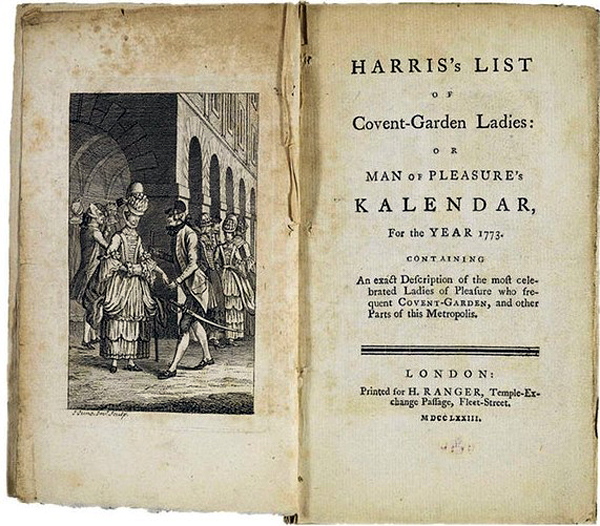
In this milieu, the pimp Jack Harris compiles a list of hundreds of prostitutes, which is included in the booklet *Harris's List of Covent Garden Girls*.
It is for sale in various pubs, brothels, and shops in Covent Garden for two shillings and six pence. The book contains the addresses of the prostitutes, with a description of the age, appearance, and price of each woman.
To grant the ladies some privacy—who might not want their families judged for their profession—only a few letters of their names are mentioned.
About Miss B____rn, 18 Old Compton Street, Soho, it says:
This capable nymph has just turned 18, and with her perfect body she willingly enters the realm of Venus. She plays the piano, sings, dances, and masters the game of love in every respect. She is of average height, has beautiful reddish-brown hair, dark eyes, and a very inviting little face that radiates joy and love. In bed, she is everything the heart can desire. [...] Her price is two pounds.
Harris's List – guide to London's nightlife
Ms. Mlrs, 52, Newman Str.:
'Fair skin, beautiful blue eyes, and at 17, good teeth too. [...] Expect to leave three pounds after a night.'
Mrs. S-lt-r, 15, St. Moulton Str.:
'Talkative, lively [...], with charming eyes. [...] She has a mouth that can handle the largest volumes. Asks three pounds.'
Ms. D-uck-es, 4, York Str.:
'Willing brunette, no older than 19. For a guinea you may spread her beautiful legs and feet.'
Ms. Gr-ant, 4, Bolton Str.:
'Uses all means to let you prove your masculinity: the soft hand, the supple wrist, the pursed lips, the agile tongue, and the delightful grip.
♦ Curious about gossip
The scene may be notorious, but it is also exciting. Many Londoners are obsessed with the stories about the lives of popular prostitutes that appear in newspapers and magazines such as Nocturnal Revels, The Public Advertizer, and The Gentleman's Magazine.
One of the most famous women the papers write about is Lavinia Fenton. She grows up in a brothel at Charing Cross, where a client gives her singing and music lessons.
At the age of 19, she starts working as an actress at a theatre. One of her male fans is the Duke of Bolton, who gladly and frequently pays for a night with the young star. When the two appear together in public, her performances become even more popular.
The Duke is, after all, a married man, and people are obsessed with juicy gossip about the scandalous affair. Only after twenty years—when his wife leaves him—does the Duke marry Lavinia. By then, the couple already has three children.
Most prostitutes, however, are less fortunate, and few save for their retirement. A few buy a coffee house or pub, but most become addicted to alcohol and contract sexually transmitted diseases.
By the end of the 18th century, the nights of pleasure in London are over. People are fed up. The government levies a tax on alcohol and passes a law prohibiting prostitution.
With the coronation of Queen Victoria in 1838, an era of chastity and strict morality dawns. The sex industry disappears from the streets and will never return on the same scale.
The tragic but fascinating world that reigned in Covent Garden in central London for nearly a century has come to an end.
Historia
September 10, 2018
by Morten Thomsen