




Castrato singers had to sacrifice their testicles for art.
3 octaves for 2 testicles
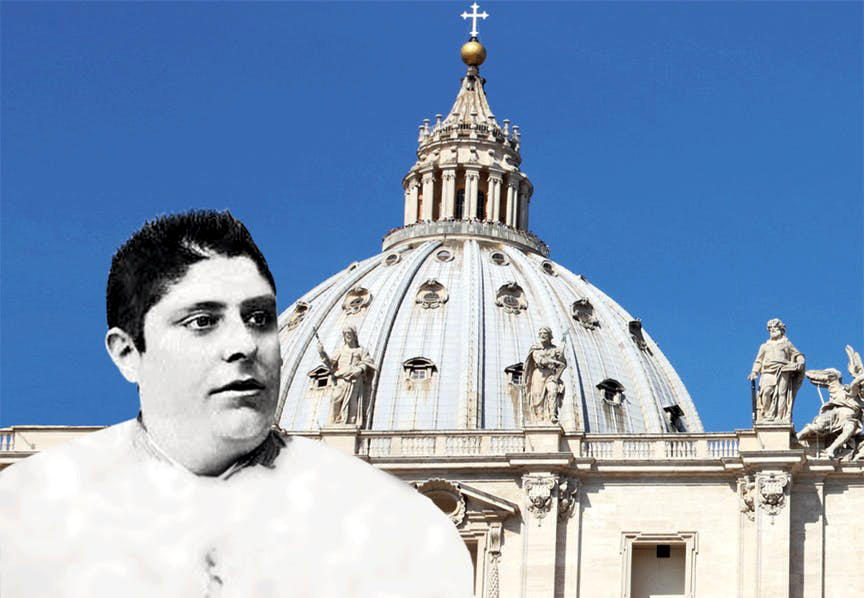
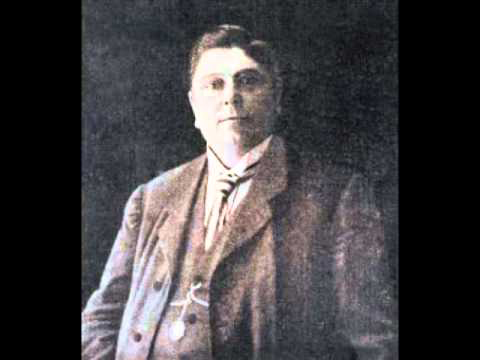
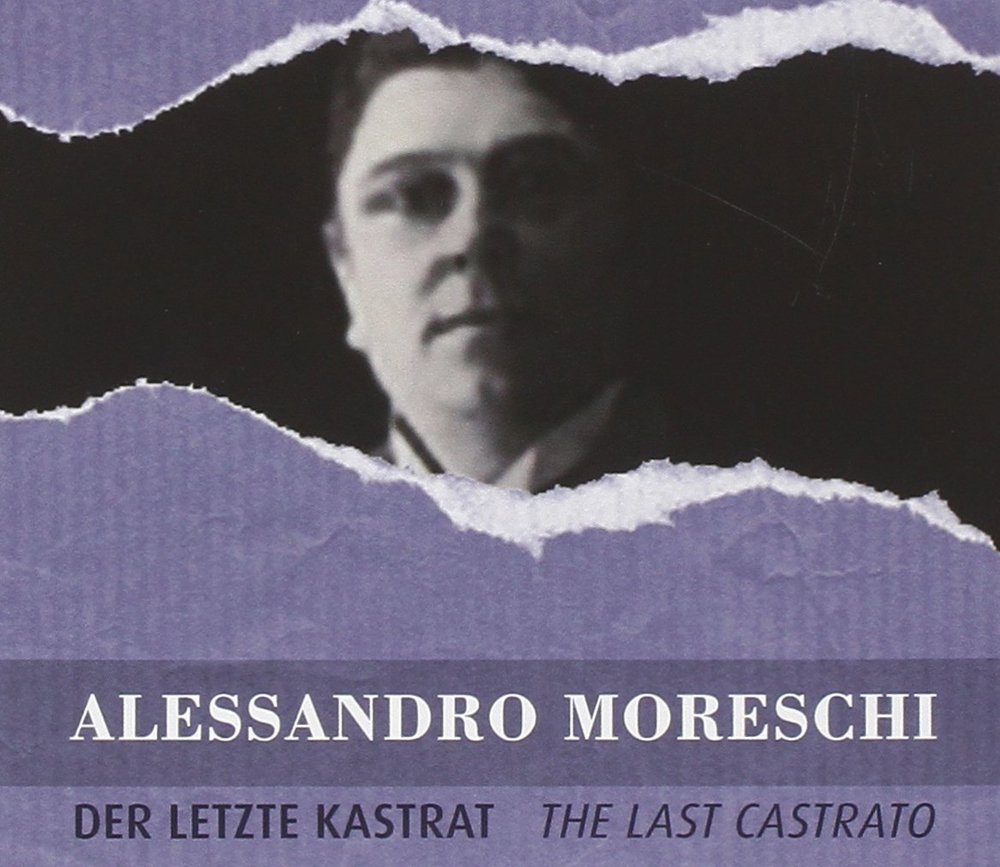
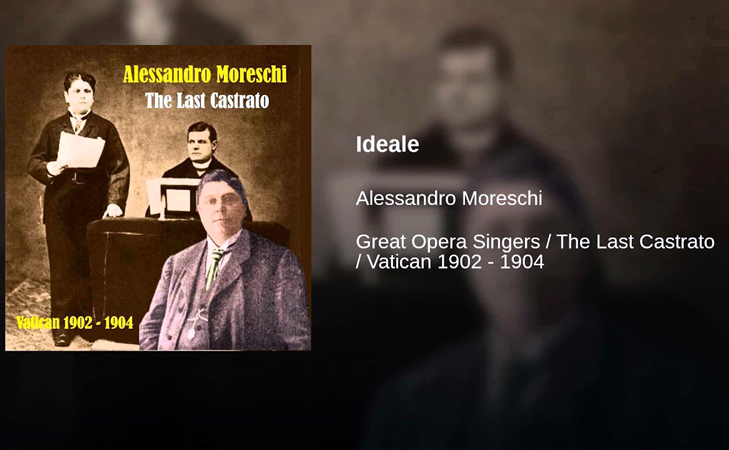
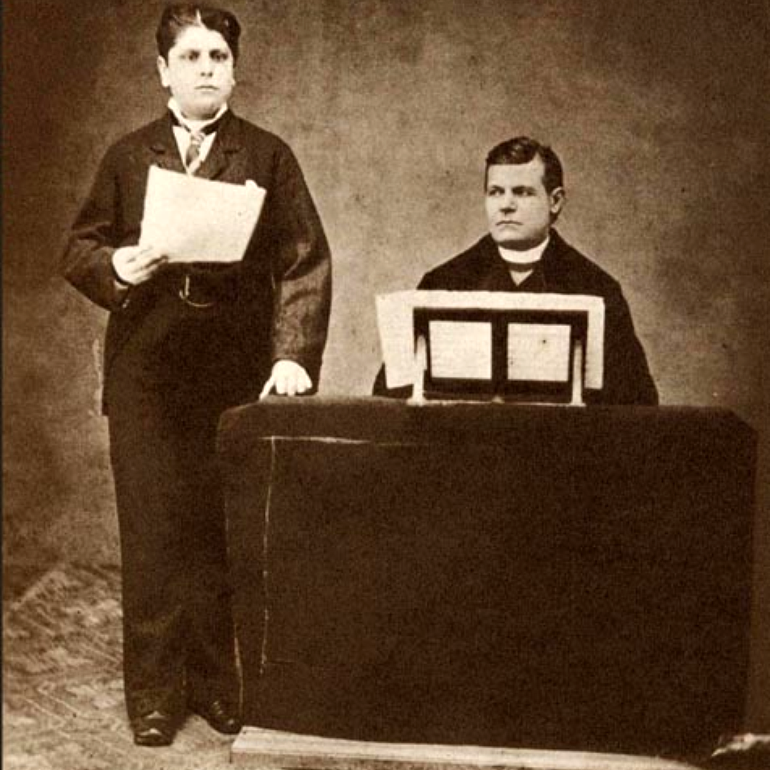
Alessandro Moreschi was born penniless in a small Italian village and had a meteoric career in the Vatican choir. He was only 25 when he sang a soprano solo for the Pope in the Sistine Chapel. The secret behind Moreschi's voice was that he had been castrated as a child.
Alessandro Moreschi died on April 22, 1922, after a long illness, surrounded by his family. Despite a life dedicated to the Catholic Church, the Vatican seemed unaware of his death.
It was not mentioned in L'Osservatore Romano, the Vatican newspaper, nor in the Vatican yearbook, Annuario Pontificio. And Alessandro Moreschi's death certificate vanished without a trace.
Perhaps the state and the church were ashamed that Alessandro Moreschi represented a phenomenon that persisted in Italy for a long time. Boys were castrated there well into the 19th century to turn them into the special singers the Catholic Church needed. But his colleagues and even his former enemies paid Moreschi great tribute in obituaries and at the well-attended public funeral in the San Lorenzo church in Damasco.
'The Angel of Rome', as Moreschi was called, remained silent forever.
Castrati in the church
The castration of boys and men has been known since antiquity and was used, among other things, as a punishment for slaves. It was not until around the year 400 that castrato singers were first mentioned in Europe, in stories about the eunuch choir in the Byzantine Empire.
In 1204, the phenomenon disappeared for inexplicable reasons and did not reappear until three centuries later – in Italy. According to Church documents, castrati performed from 1553, and in 1558 the Sistine Chapel certainly had castrati in the choir.
Before castrati made their appearance, young boys or falsetto singers sang the soprano and alto parts, because women were not allowed to sing in church. But in 1589, Pope Sixtus decreed that the boys' choir of the Sistine Chapel be expanded with castrati, perhaps because they had more volume and could hone their skills for longer; the careers of young boys ended with the onset of puberty.
The Catholic Church regarded women who performed in cultural life as sinful, whether in theater, ballet, or opera, so when opera came into vogue, the castrati found a new field of work.
Castrati were already performing in the very first operas around 1600 and soon became major stars in the new genre.
And the castrati did not only take on female roles.
Baroque composers associated high status with a high singing voice, and consequently, castrati were increasingly used for male heroic roles. During the phenomenon's heyday, castrato singers performed at least two out of three opera roles.
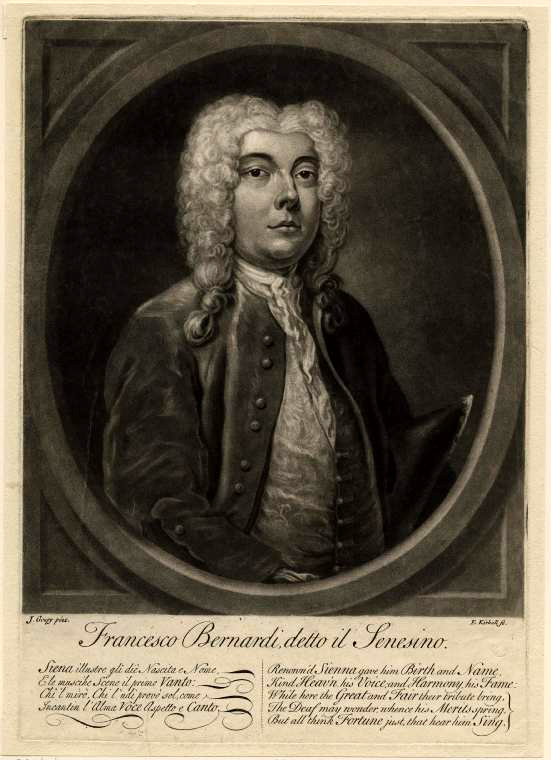
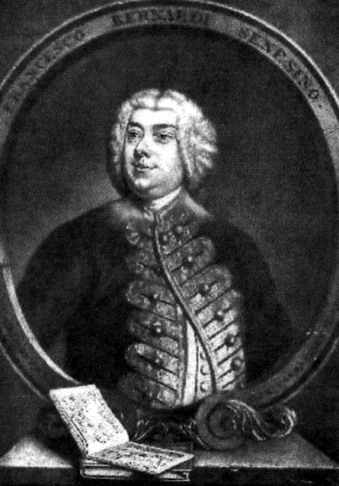
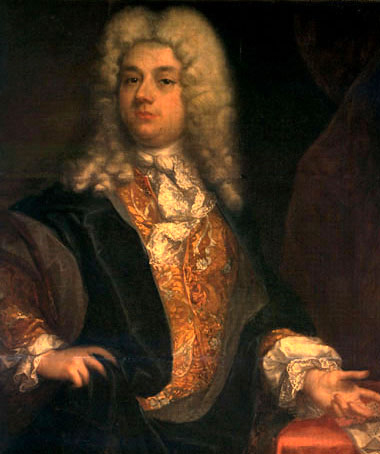
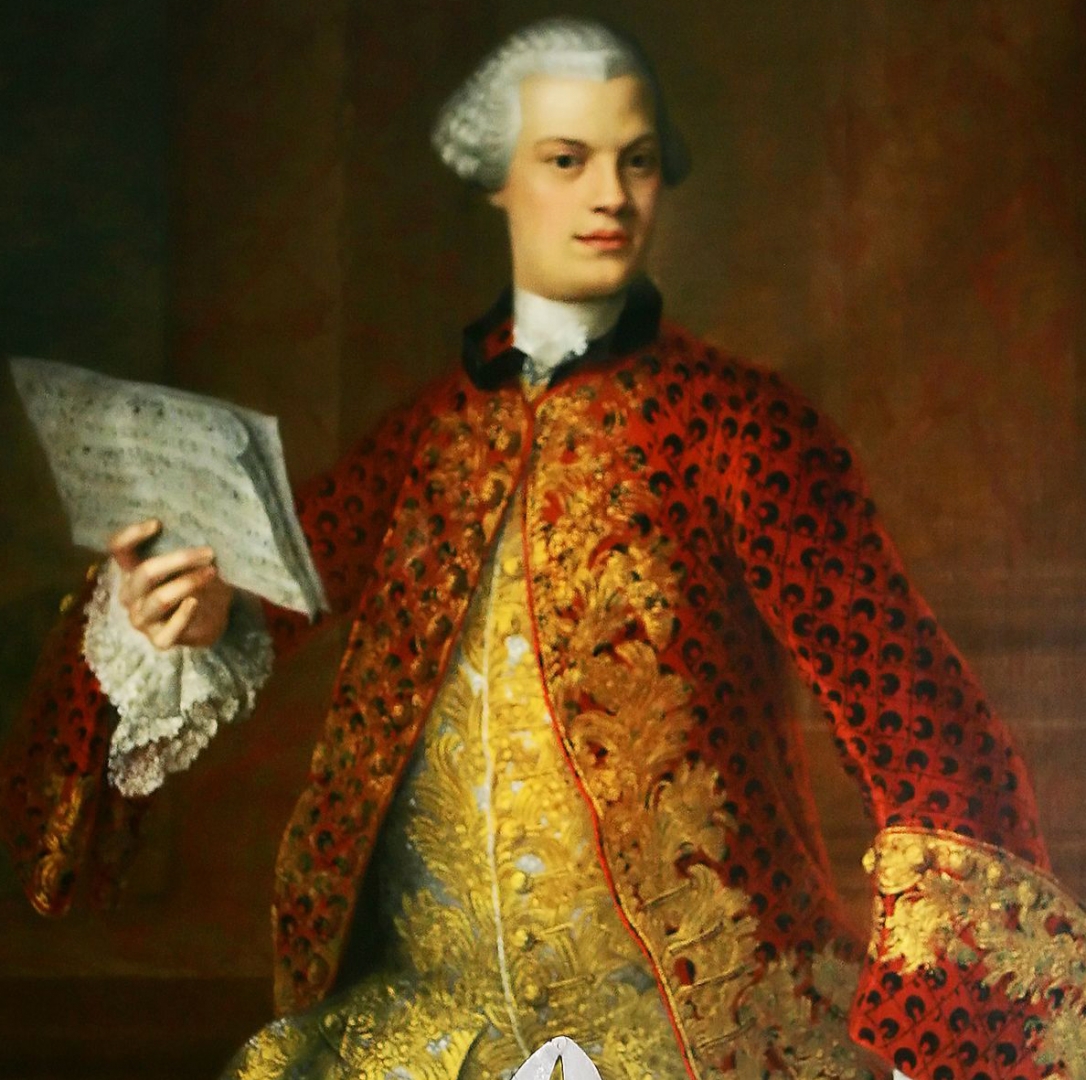
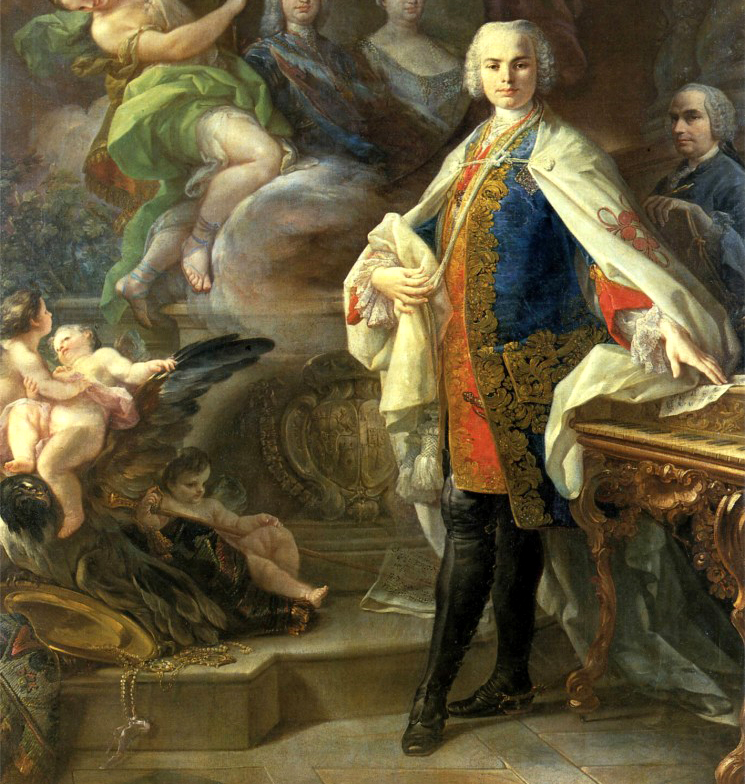
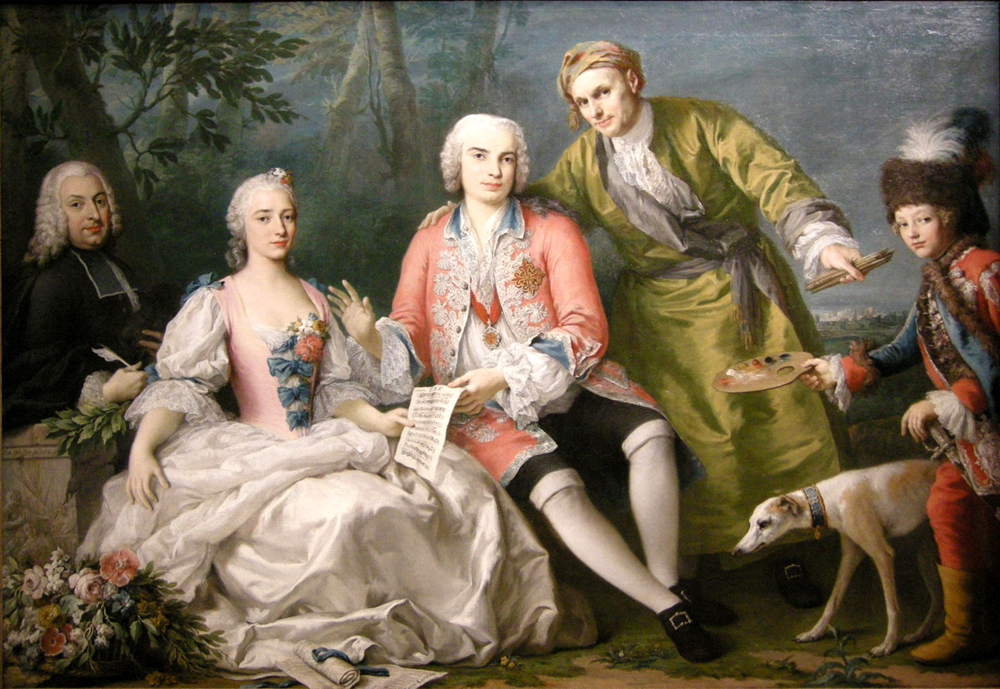
Due to the increasing popularity of opera during the 18th century, the most popular castrati became superstars who lived lavishly and moved in the highest circles.
Soon, rumors circulated about affairs between castrati and noble ladies. These rumors were not entirely untrue, but they were greatly exaggerated, as the castrati had no hormonal sexual drive and their sexual organs remained undeveloped. They did possess a mental urge for sex, but were 'harmless' to noble ladies because there was no chance that an affair would result in an unwanted pregnancy. Castrati were also accused of homosexual tendencies. In his stories about 18th-century Italy, adventurer Giacomo Casanova mentions the stimulating effect of the androgynous appearance of castrati and the escapades they had with wealthy noblemen.
4,000 boys mutilated annually
- Castration of boys usually took place when they were about eight years old.
- It was particularly common in Italy. At its peak, in the 18th century, 4,000 boys were castrated annually.
- A well-known method was to cut the vas deferens, after which the testicles 'dried up'.
- The procedure was taboo, and the explanation for the mutilation was usually a disease or a vague story about a bear attack.
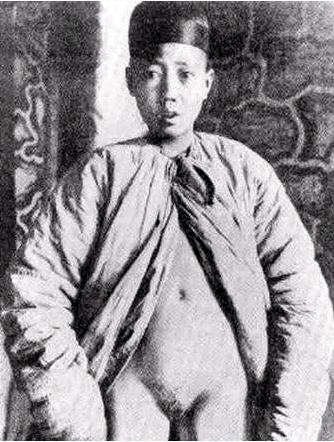
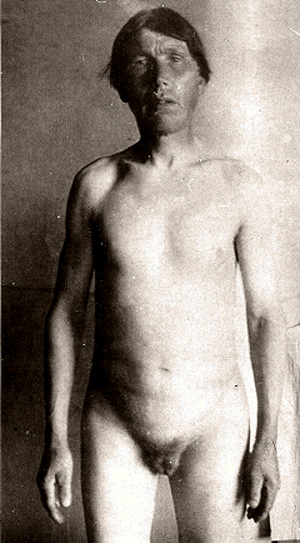
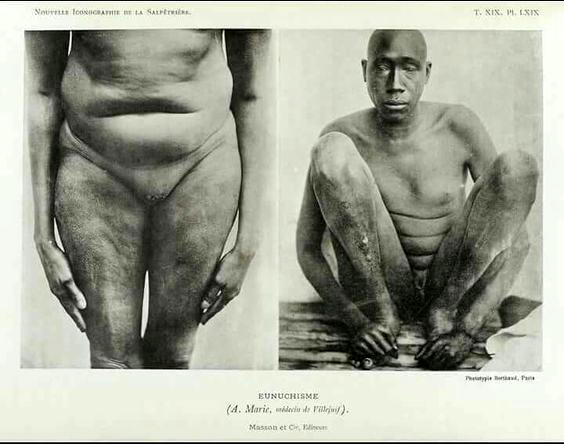
- Castration led to a number of abnormalities. Castrati were generally very tall and their limbs were longer than normal because bone growth was not inhibited by sex hormones. Their reproductive organs were often underdeveloped, though sometimes they did function. Their skin was pale and they had no beard growth, but a lot of head hair and a tendency towards being overweight, round hips, and narrow shoulders.
Castrati are left empty-handed
Towards the end of the 18th century, the popularity of castrati began to wane. The style of opera changed, and a new type of heroic tenor – embodied by the Frenchman Gilbert-Louis Duprez – gained ground at the expense of the castrati. Furthermore, the economic upturn in Italy offered better prospects for the future, meaning that many poor parents who had previously considered castration for their sons now saw other career opportunities.
Furthermore, Napoleon III’s stance was significant. He banned castration in France and in the parts of Italy under his rule, and allowed women to sing in church and at the opera.
But within the walls of the Vatican, the tradition remained in honour long after it had lost its appeal to the masses. Among the traditions for which castrati were required was the annual performance of Gregorio Allegri’s *Miserere* in the week before Easter. And although mutilation was contrary to Catholic doctrine, the Church justified the use of castrati by stating that their singing was in honour of God.
The Last Castrato
Alessandro Moreschi was born on 11 November 1858, just three years before the death of Giovanni Battista Velluti, the last superstar of the heyday of the castrati. He was born in the Italian hamlet of Monte Compatri, the seventh child in a large and poor family. As with so many other castrati singers, no one knows when, how or why Alessandro Moreschi was castrated. His baptism was hastily performed on the day of his birth, which suggested a life-threatening illness or condition. Castration was a common treatment for certain illnesses. Illness was often used as an excuse, for whilst castration was widespread, it was also a subject of controversy. The procedure was not without risk. Anaesthesia consisted of warm baths, opium and applying pressure to the carotid artery in the neck until the boy lost consciousness – an overdose or applying too much pressure could result in the child’s death. The vas deferens were then severed or crushed. Haemorrhages and infections were a constant threat.
And those who survived were left with health problems and an unusual appearance: fat deposits on the hips, buttocks, chest and eyelids.
Castrati were deformed
The lack of testosterone during puberty not only prevented castrati from developing a deep voice, but also prevented their bones from hardening. As a result, they developed unnaturally long limbs and ribs. These long ribs gave them a large lung capacity, which partly explained the castrati’s enormous vocal volume.
Castration also took a heavy toll mentally. Castrati were not only adored, but also mocked for their peculiar appearance and their lack of masculinity and sexual prowess. Most never achieved the career their parents had dreamt of, but were outsiders in society.
By Moreschi’s time, castrati had become so rare that the Church struggled to fill the vacancies that arose, even in the prestigious choir of the Sistine Chapel.
In 1861, the castration of boys was banned in most of the country, and nine years later the ban applied throughout Italy.
Moreschi was presumably able to be castrated because he came from a remote village.
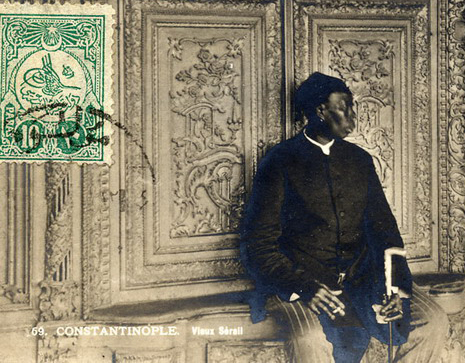
In 1871, the 13-year-old boy was sent to Rome to study at a school for choirboys attached to the Church of San Salvatore in Lauro. Moreschi was the only castrato at the school and must have felt completely different, even though the physical signs of castration were not so obvious in his case. Moreschi led a quiet life
Due to the shortage of castrati, Moreschi’s career took off in a flash. At the age of 15, he became first soprano at the Papal Archbasilica of St John Lateran and frequently performed for the elite.
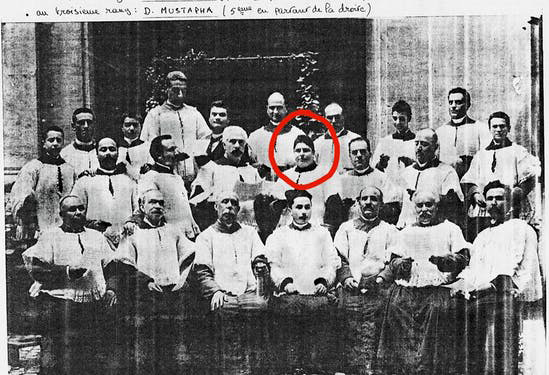
At the age of 25, he was admitted to the Sistine Chapel Choir without the usual probationary period; this was probably because vacancies were limited and the choir had only six castrati left.
Paus Leo XIII had inmiddels al nieuwe benoemingen van castraten in de kerk verboden, met de Sixtijnse Kapel en andere pauselijke basilieken in Rome als enige uitzonderingen, maar in 1902 was het ook hier afgelopen.
In 1903 besloot paus Pius X dat de weinige castraten vervangen moesten worden door jongens. Maar door onbekende oorzaak, misschien vanwege zijn jarenlange aanstelling, mocht Moreschi blijven. Moreschi leidde, anders dan veel van zijn voorgangers, een rustig en teruggetrokken bestaan. In zijn jonge jaren liet hij zich na een concert soms meeslepen en liep hij tussen zijn publiek rond om complimenten in ontvangst te nemen, maar deze behoefte werd met de jaren minder. Hij was de enige castraatzanger die lang genoeg leefde om zijn stem voor het nageslacht te vereeuwigen.
In 1902 and 1904, he recorded 17 tracks, which provide a unique insight into the castrato singer’s vocal range.
History
Kalika Bro-Jørgensen
11 June 2017 by