
Climate change has also occurred in the past, with the Little Ice Age having a major impact on life at that time.
► From the Medieval Climate Optimum to the Little Ice Age
The Medieval Climate Optimum occurred between 950 and 1250 AD. During this period, temperatures in the northern hemisphere were quite mild: long summers and mild winters ensured good harvests.
As a result, prosperity increased. However, this period came to an end. The Climate Optimum was followed in the 14th century by a long, cold period with harsh winters and shorter summers: the Little Ice Age.
The Little Ice Age began around the start of the 14th century.
The effects of climate change were felt most keenly in Europe, where cold winters and heavy rainfall had a major impact on harvests and livestock.
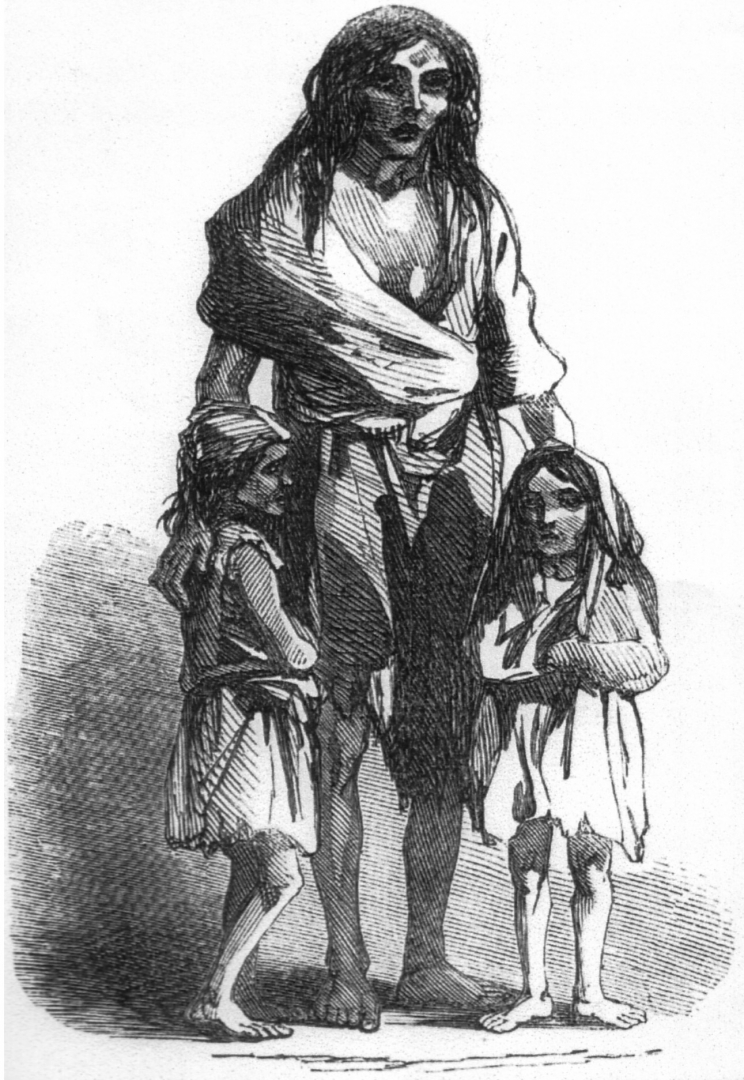
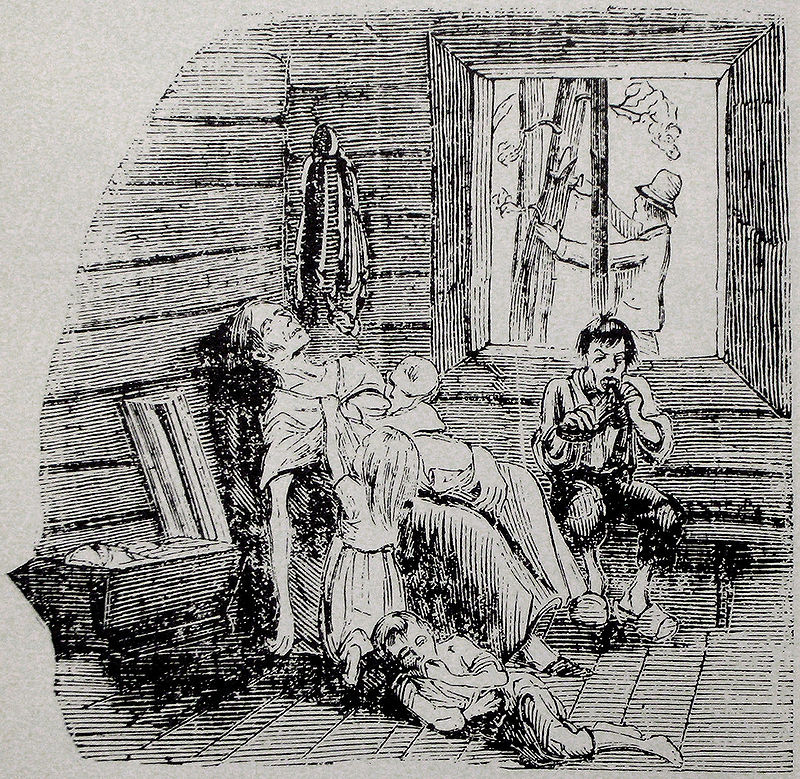
► Famine and the Black Death
The effects of climate change were felt most keenly in Europe.
Cold winters and heavy rainfall had a major impact on harvests and livestock numbers.
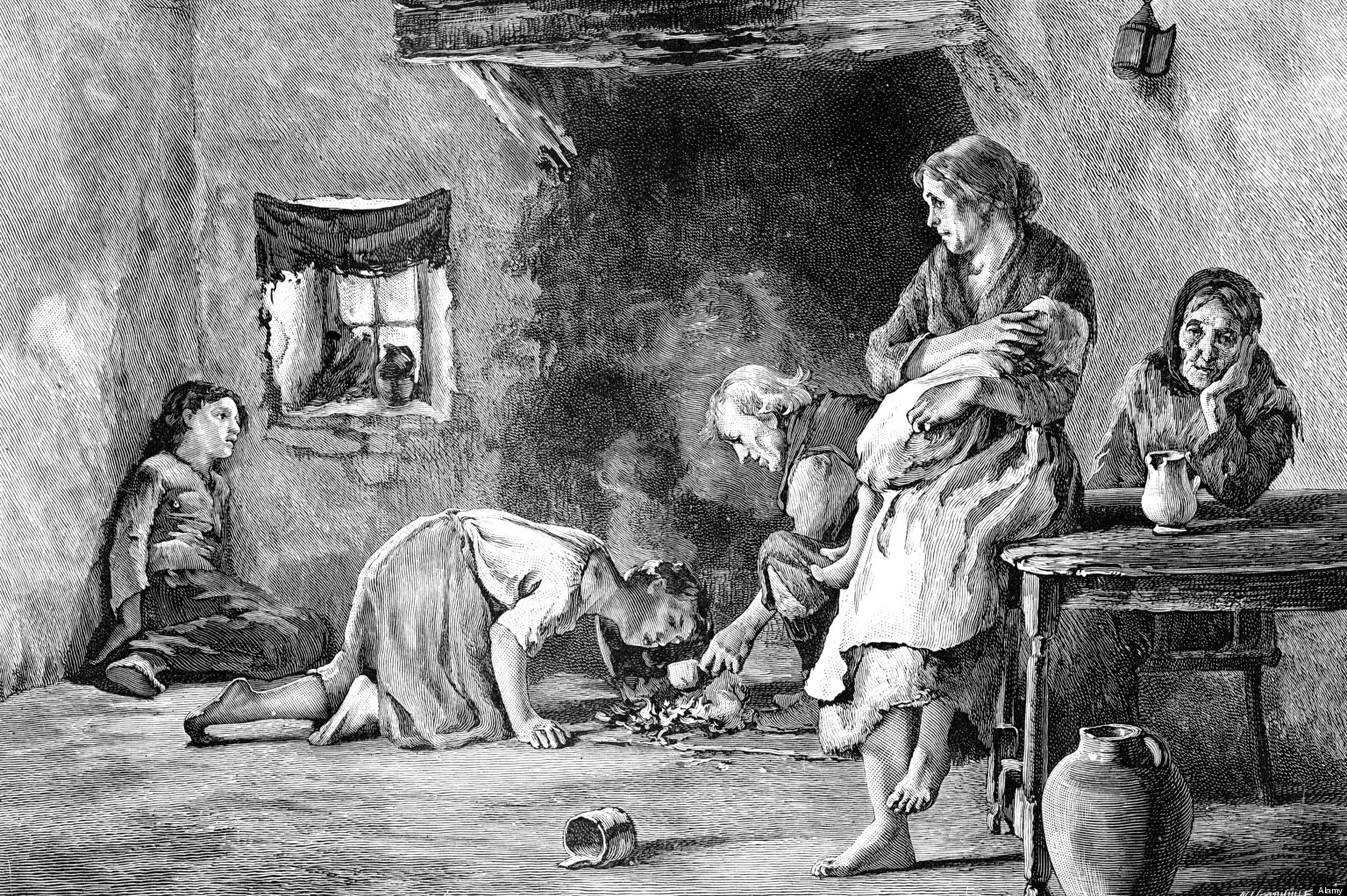
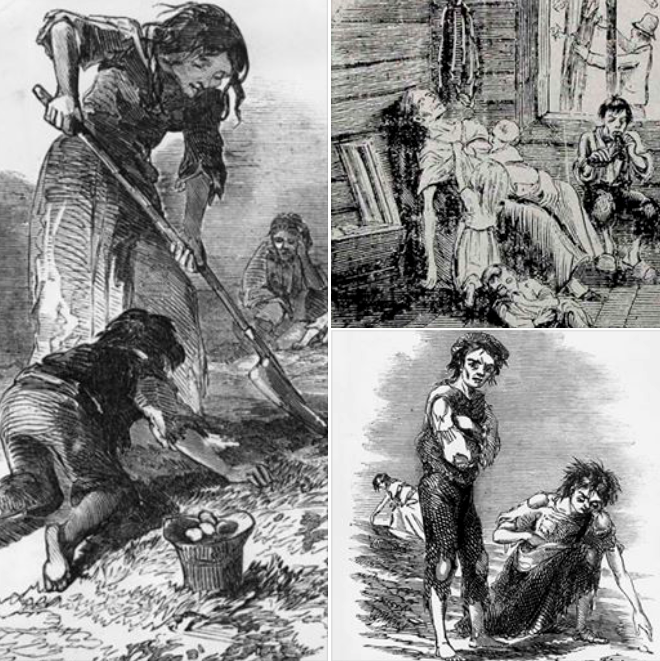
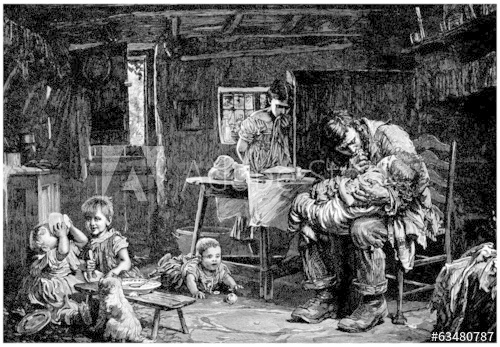
♦ The Great Famine, which lasted from 1315 to 1317 and claimed a large number of victims across Europe.
♦ After 1322, harvests improved again, but food production remained below pre-climate change levels.
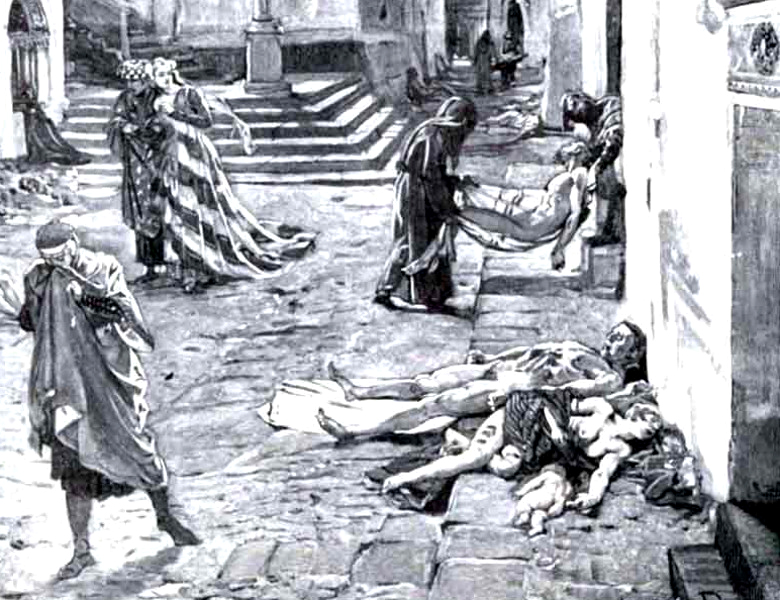
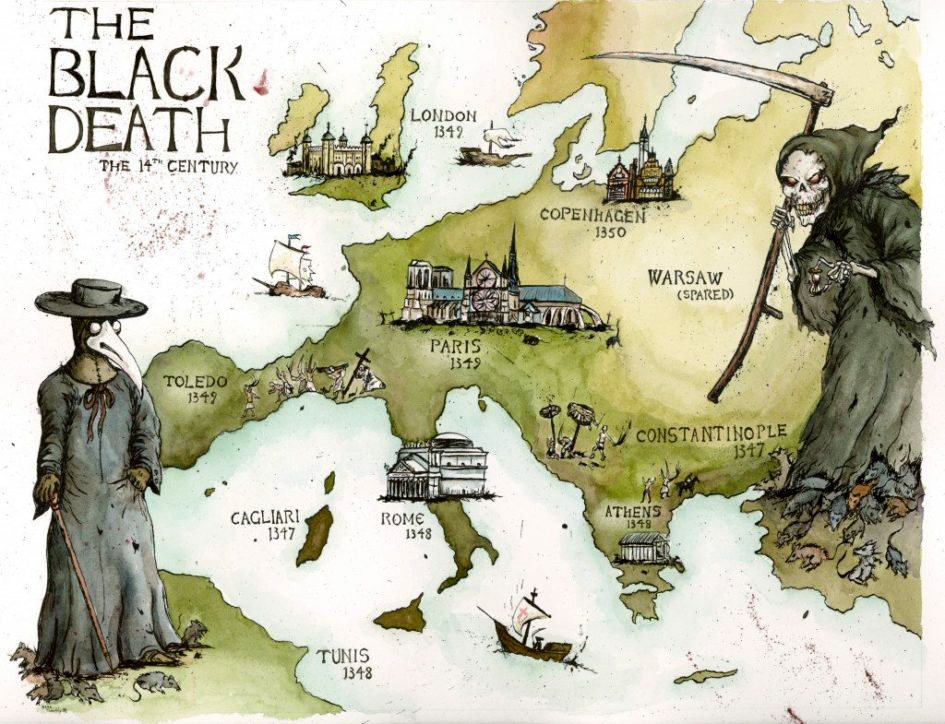
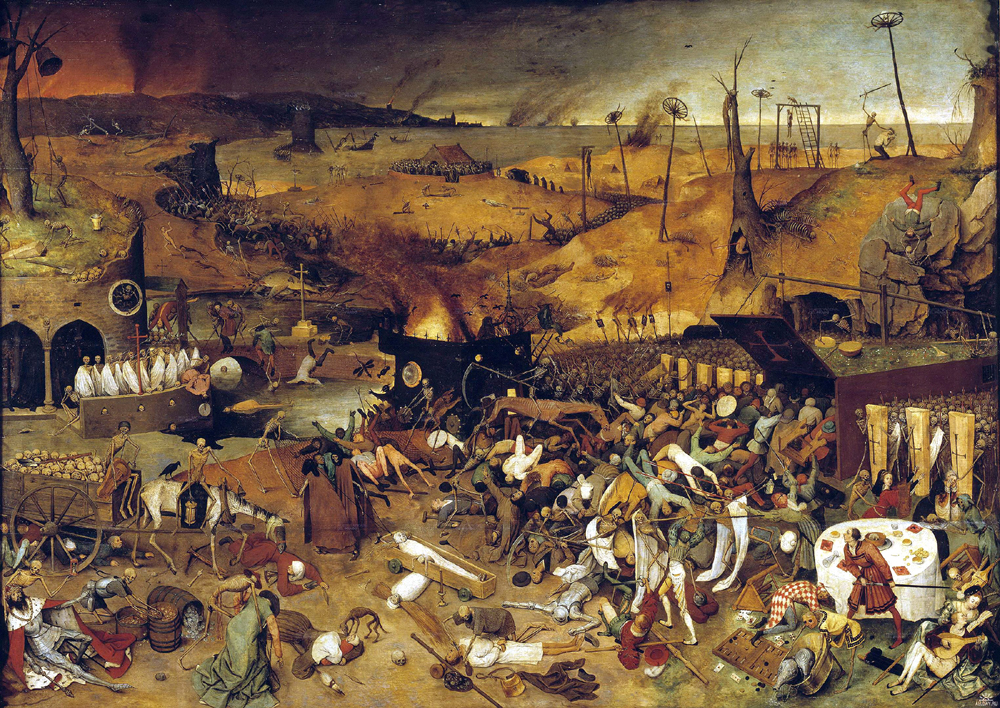
♦ The ‘Black Death’ in 1348 was able to spread more easily after many people’s immune systems had been weakened by years of famine.
► THE BLACK DEATH
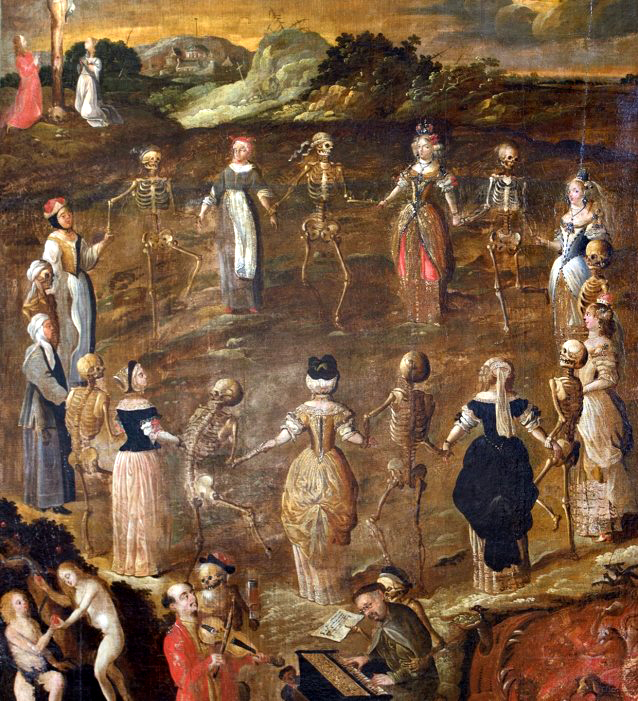
Ring a Ring o’ roses, a child’s rhyming game, has entertained children for many years.
The classic rhyming game first appeared in print in 1881. However, reportedly, the origins of this song and dance routine occurred during a grimmer time in history.
Legend has it that the rhyming game found its origins during one of the worst pandemics this world has ever seen: THE BLACK DEATH
► With yet another cold spell in the late sixteenth century
A cold spell lasting from December 1586 to September 1587 marked the first significant downturn of the Little Ice Age.
Across Western and Central Europe, temperatures fell in the second half of the 16th century. Winters became harsher, with more snow and ice; they often began as early as November and lasted until March or April.
From 1530 onwards, summers also became cooler, with autumnal weather, complete with storms and storm surges.
Historical research by the KNMI, based on countless sources such as diaries, town accounts and tree rings, shows that the last quarter of the sixteenth century was probably the coldest in the past thousand years.
♦ This period marks the low point of the Little Ice Age.
► Political consequences of the Little Ice Age
♦ In 1644, the people of China deposed the Ming emperor after they were no longer able to pay their taxes following years of food shortages and floods.
♦ In Europe, the Thirty Years’ War raged from 1618 to 1648, partly caused by poor harvests, food shortages and social unrest.
► Warfare during the Little Ice Age
Due to the harsh winters, rivers and lakes suddenly became navigable for armies.
♦ For example, in 1658, King Charles X Gustav of Sweden led his armies across the Great Belt, a strait between Sweden and Denmark, to invade Copenhagen.
♦ During the Wars of the French Revolution, French invasion forces were able to march across Dutch rivers during the harsh winter of 1794, whilst the Dutch fleet lay frozen in Den Helder
► Positive effects of the Little Ice Age
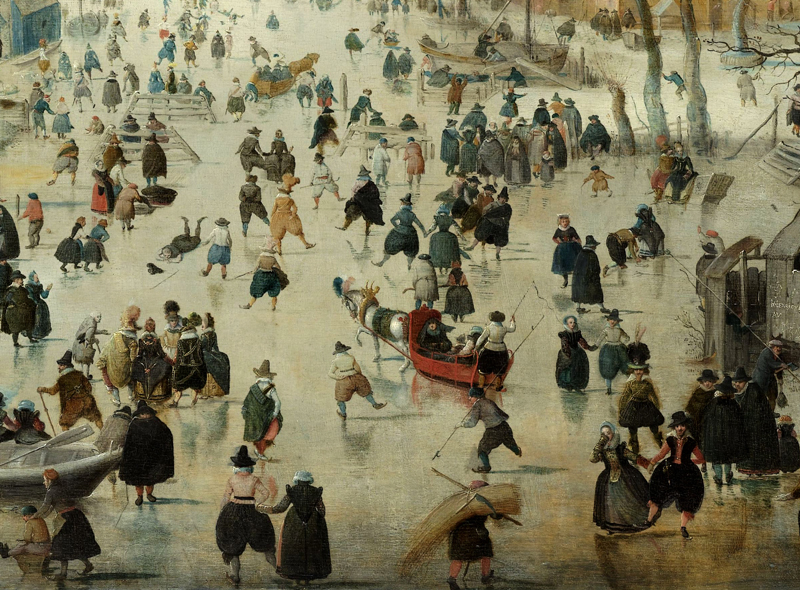
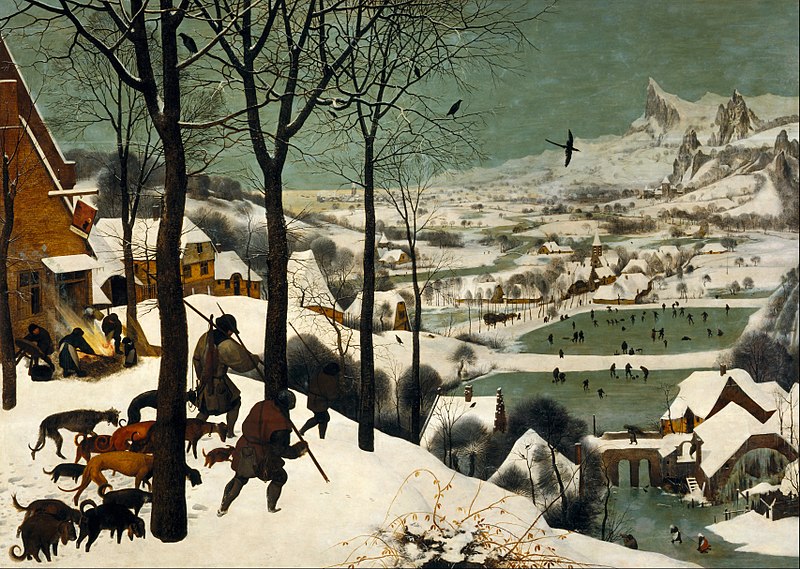
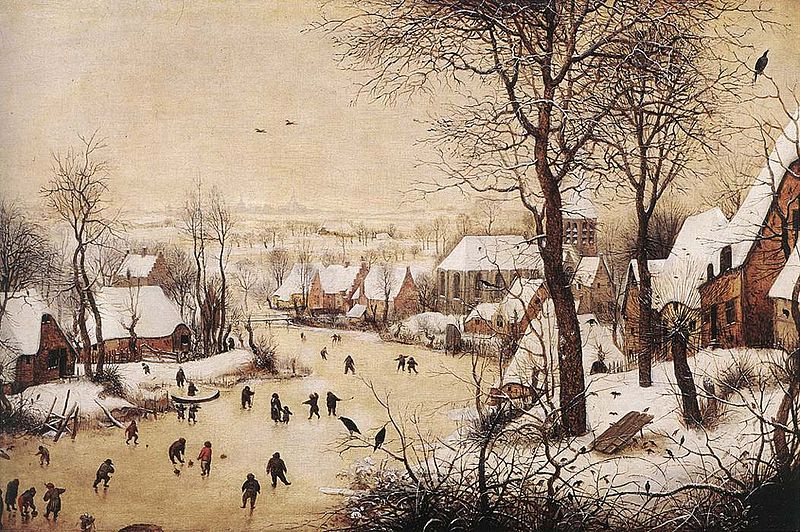
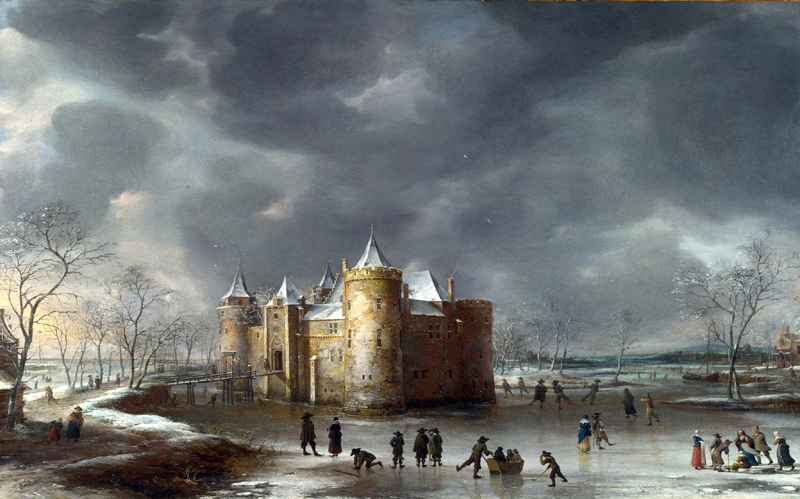
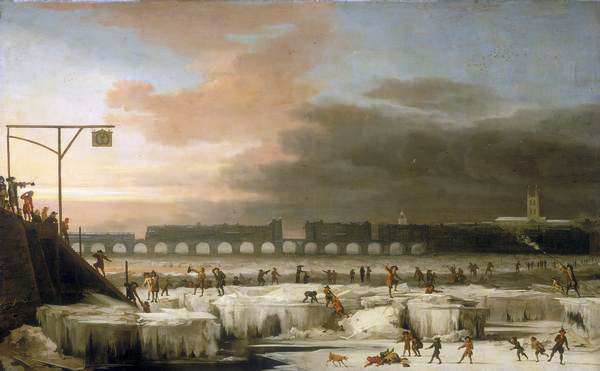
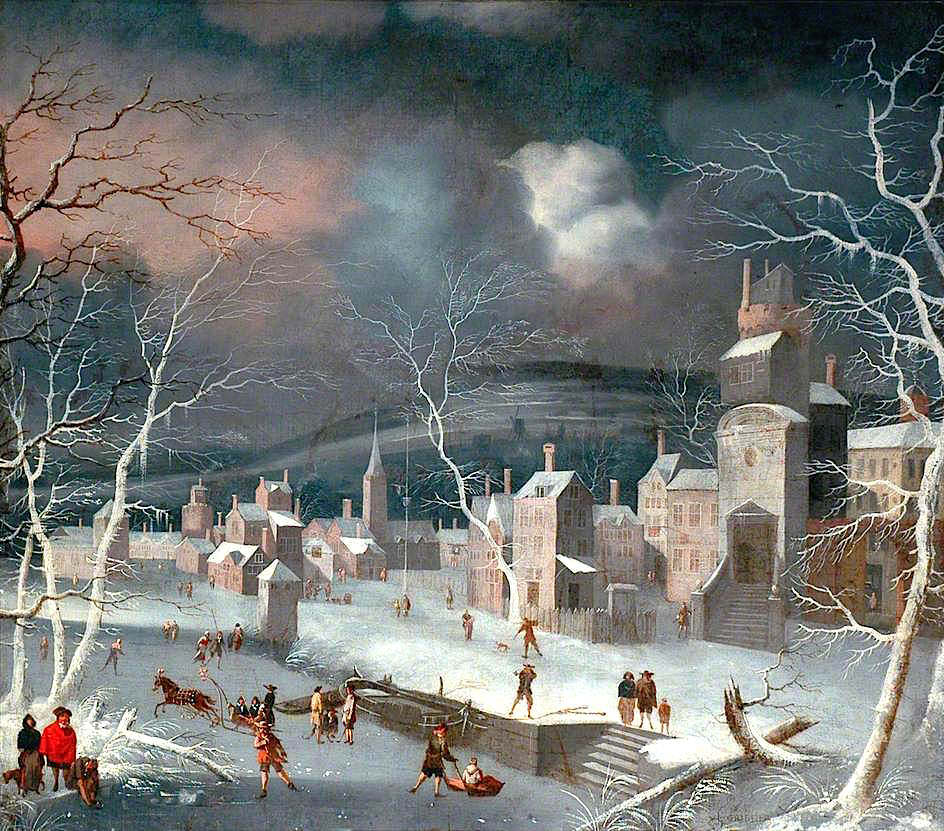
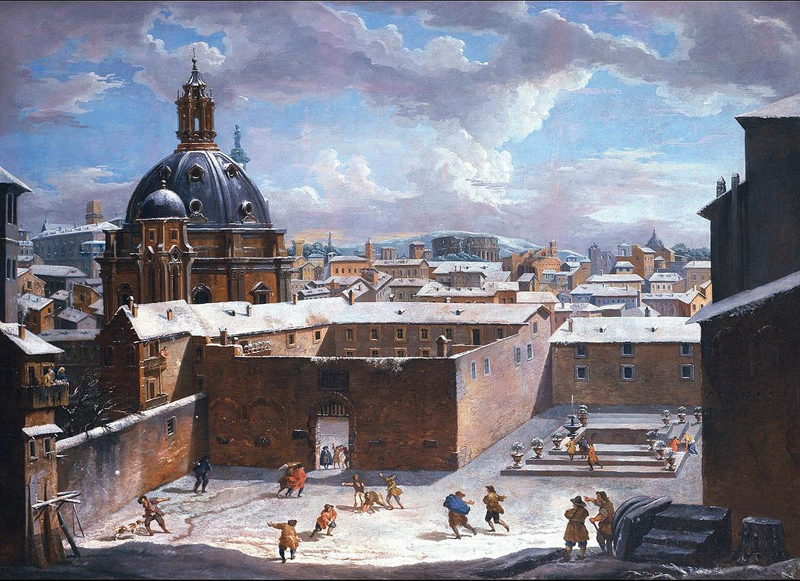
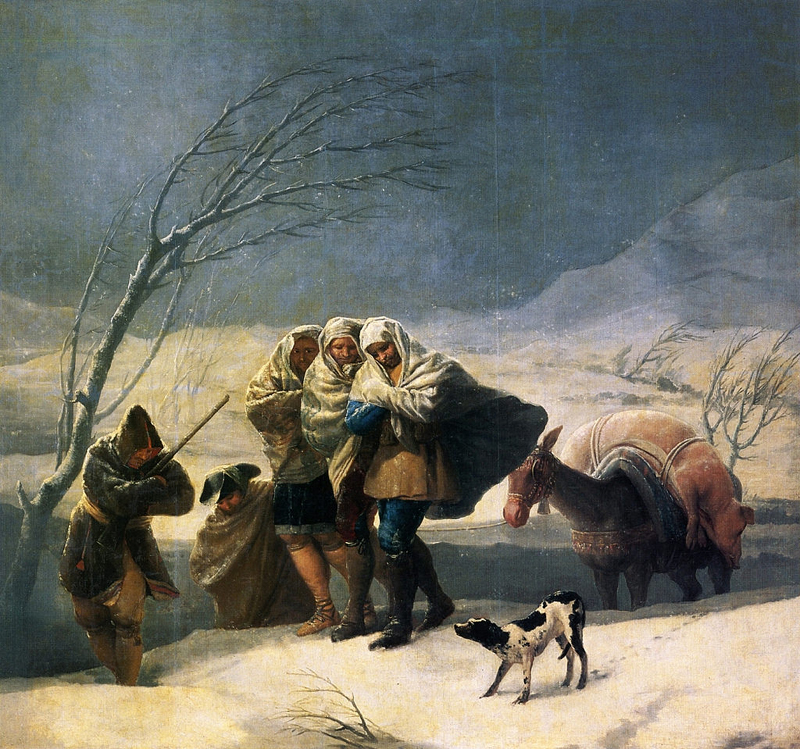
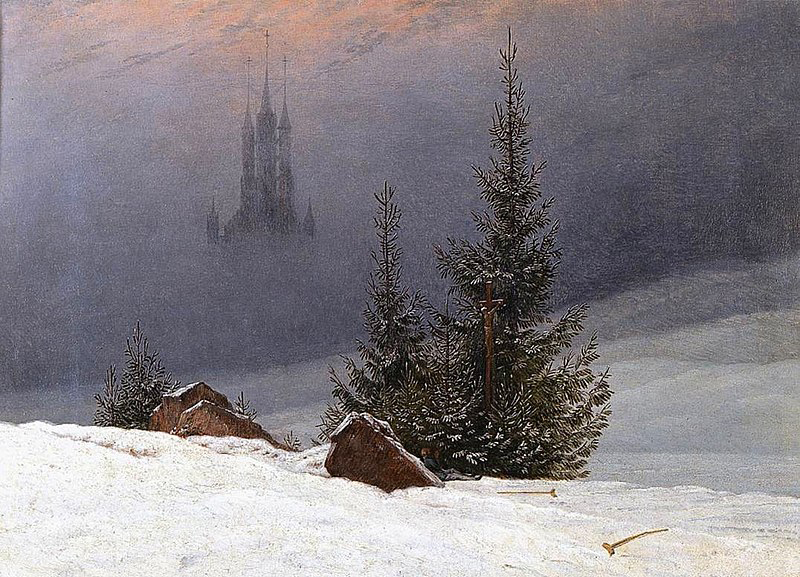
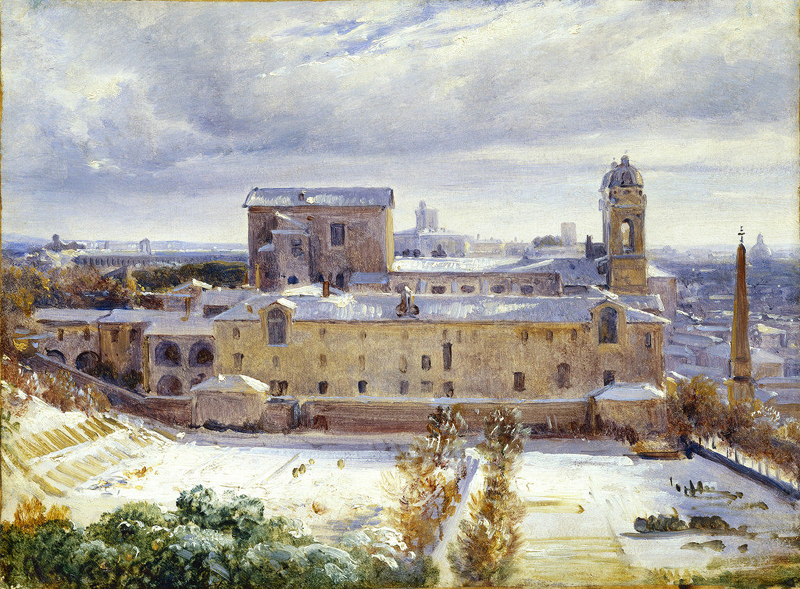
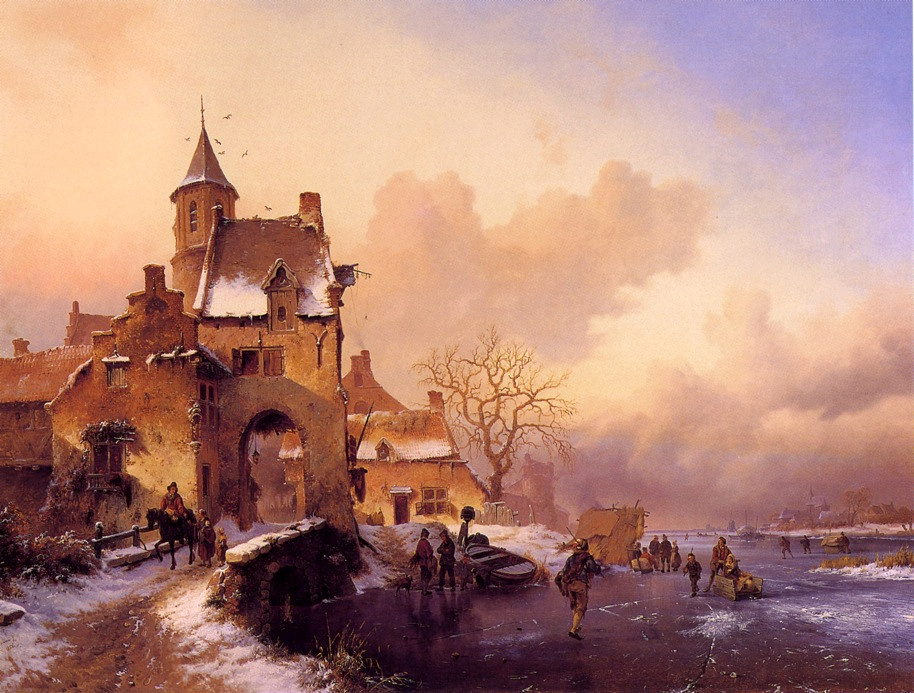
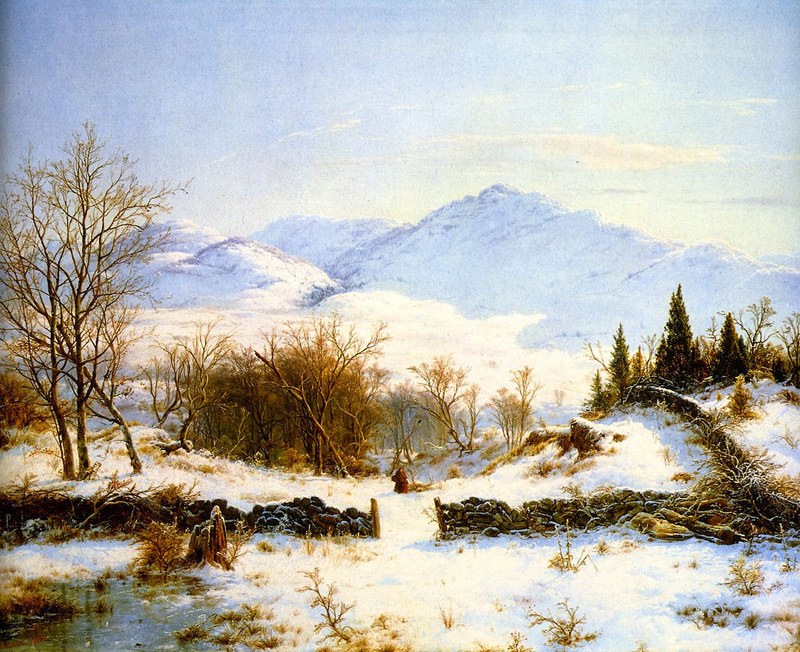
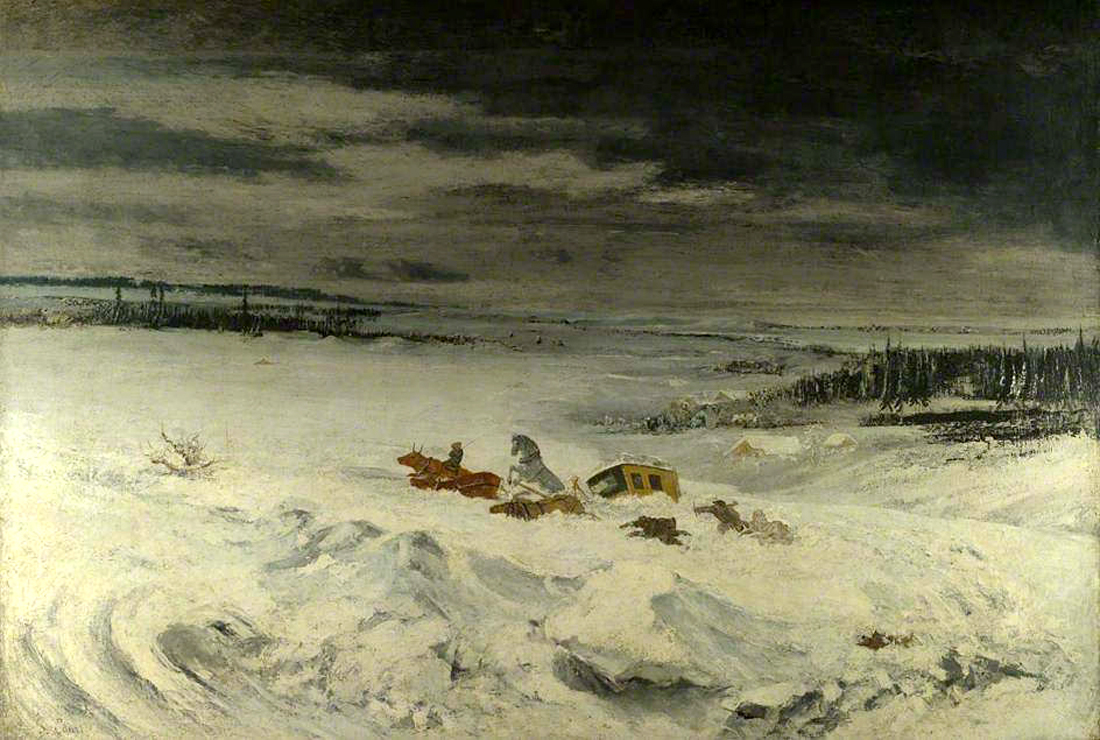
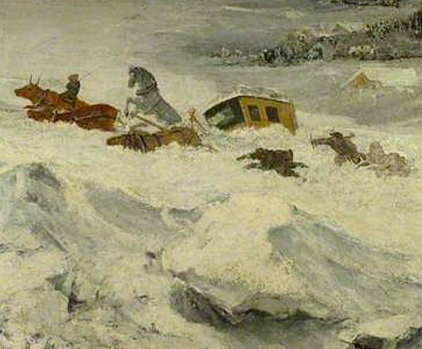
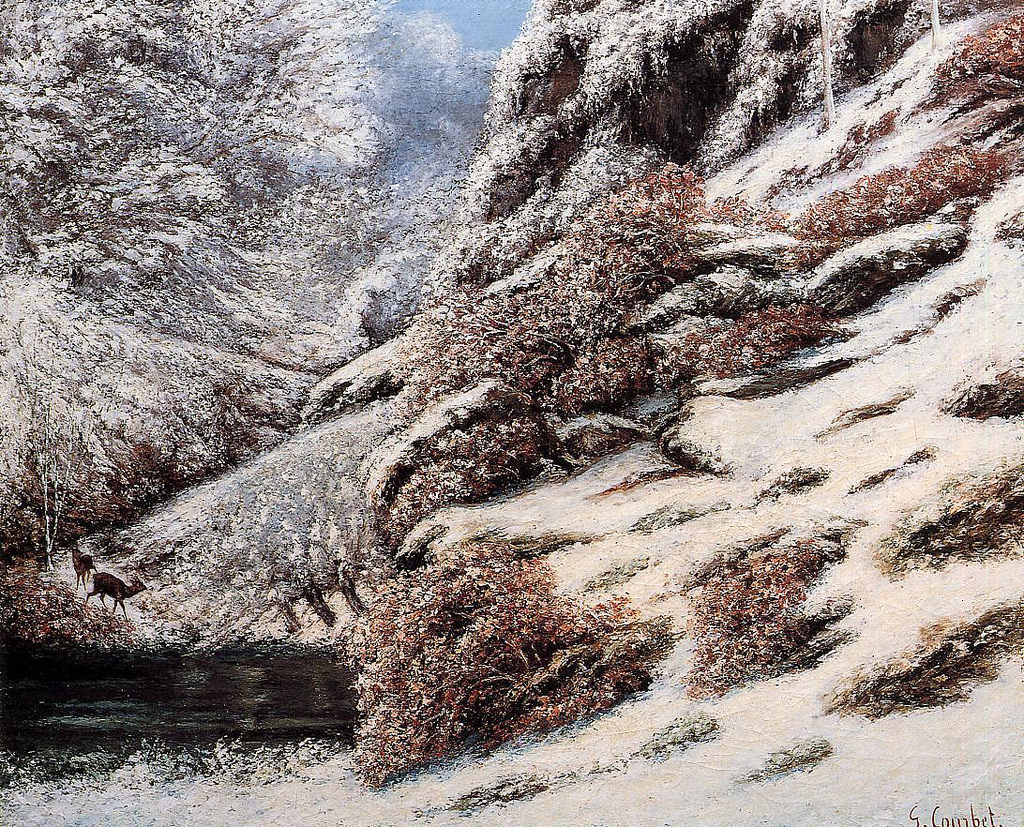
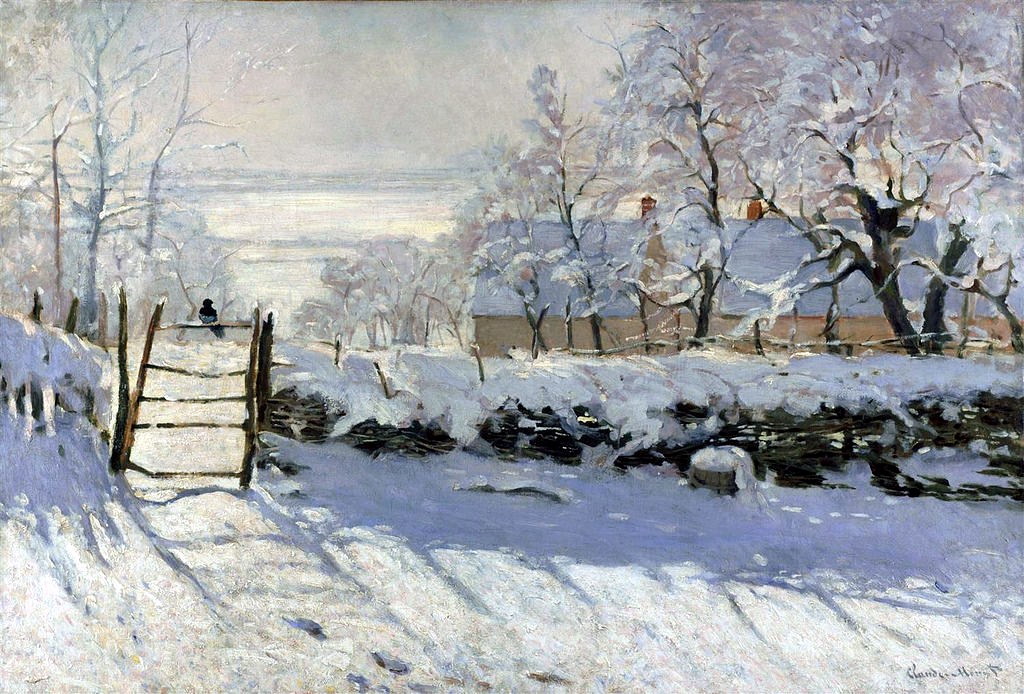
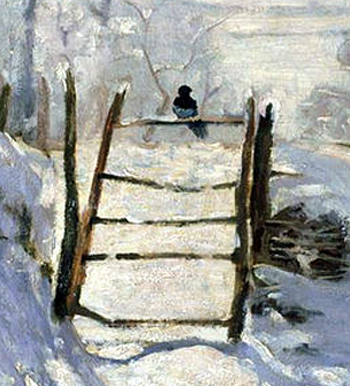
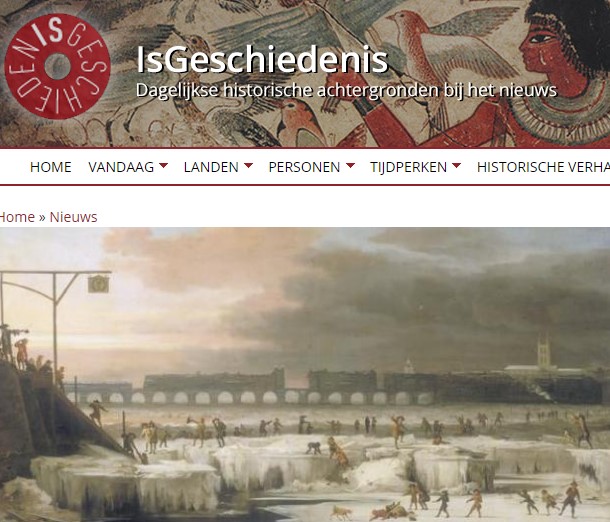
♦ Painting:
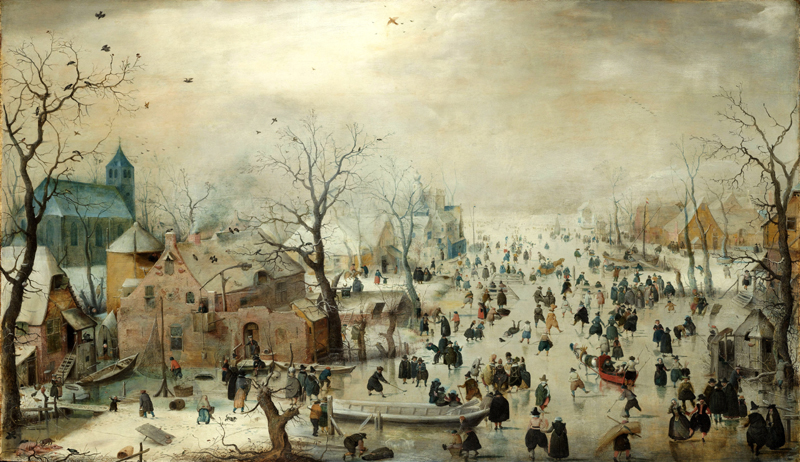
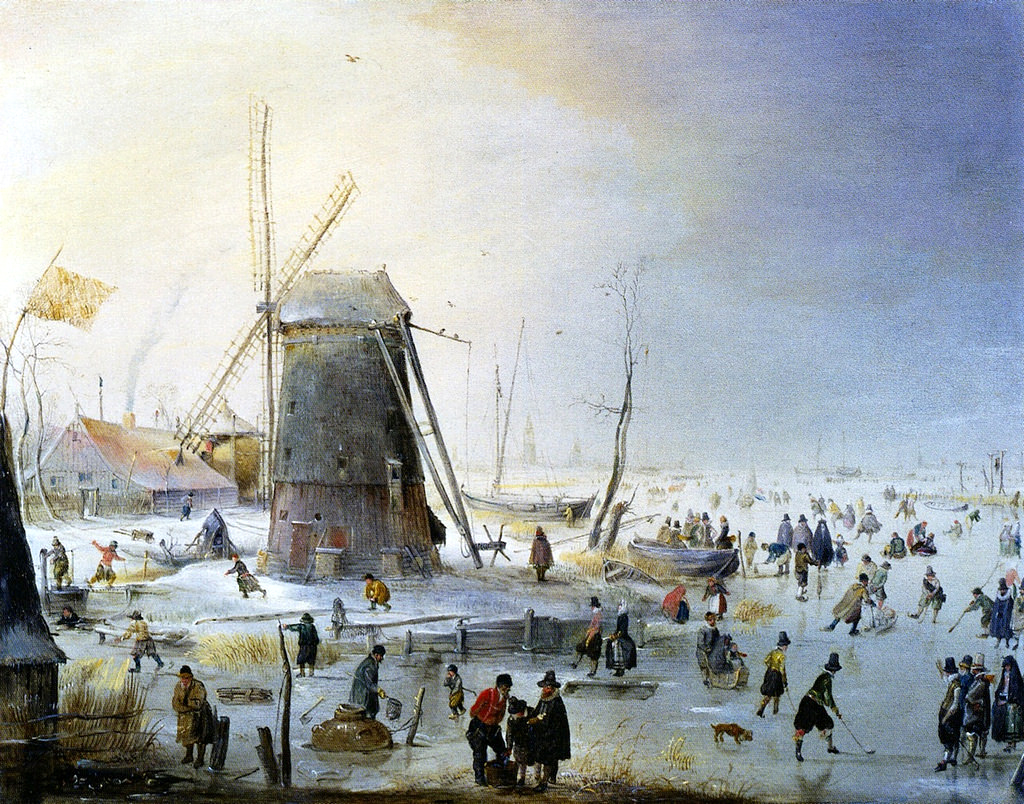
For example, many winter landscapes by well-known painters have survived.
♦ Potatoes: in the 18th century, these were an important part of the European diet, as they were better able to withstand the harsh winters.
♦ We probably also have the Little Ice Age to thank for the invention of the bicycle, due to the shortage of horses.
This is thought to have led to a search for alternative means of transport.
♦ In light of the current debates surrounding climate change, it is particularly important to bear these periods in history in mind. Climate change, whether it be warming (the Medieval Climate Optimum) or cooling (the Little Ice Age), has had both positive and negative consequences in the past.
► The first quarter of the 17th century was still cold,
as can be seen, amongst other things, in the winter landscapes by painters such as
♦ Hendrick Avercamp (1585–1634).
These paintings often depict frozen bodies of water on which all sorts of people are skating, walking or enjoying themselves in other ways.
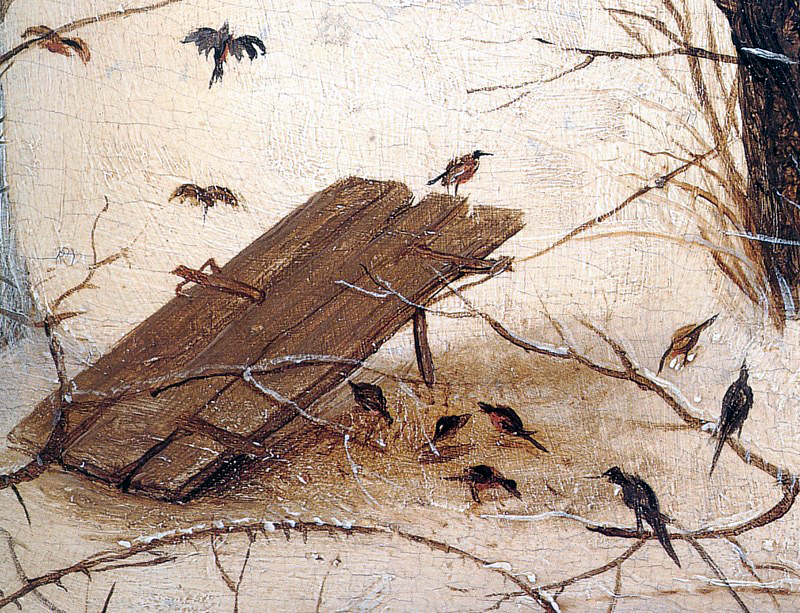
♦ Pieter Brueghel the Younger (1564–1638).
Here too, snow is a dominant feature in many village scenes.
► From the second quarter of the 17th century onwards, there was a marked recovery and the weather even became relatively mild.
For example, the winters of 1636 and 1637 in Western Europe were mild, and the summers of those years were even warm, with early and bountiful grape harvests once again.