


Deadly diseases proved fatal to the white people
When the Europeans set out to conquer the world, they were confronted with all manner of dreadful diseases, to which soldiers fell in droves. Tiny flies, mosquitoes and worms turned out to be the worst enemy they had ever faced.
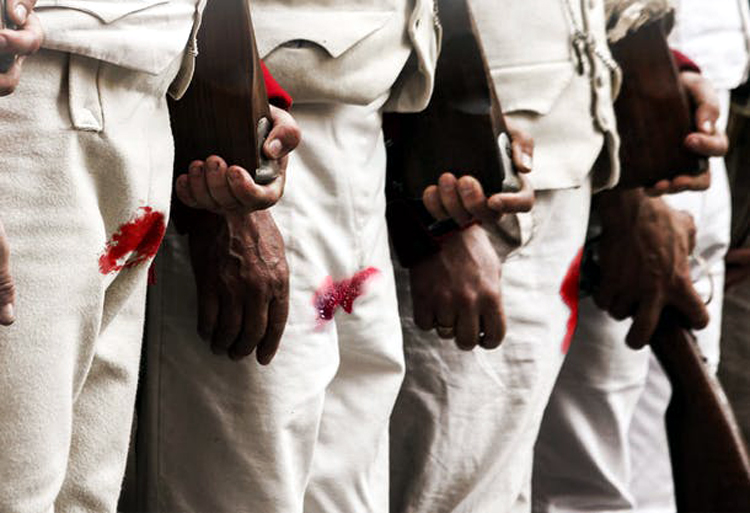
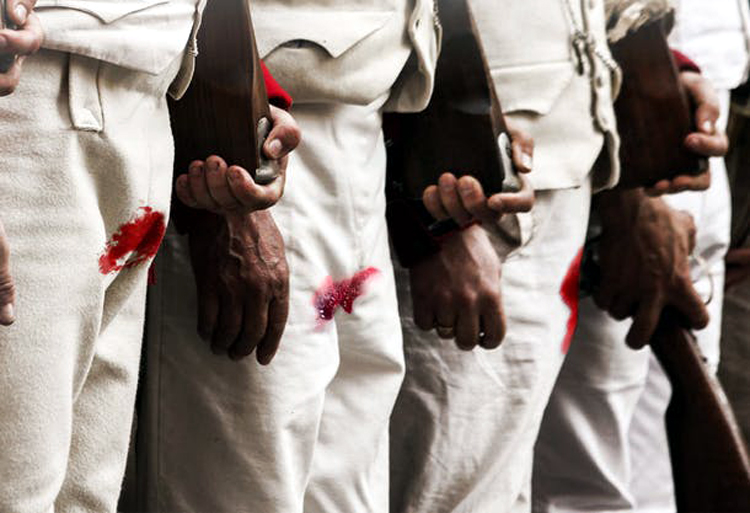
‘The Curse of the Pharaoh’: French troops were on their periods
During Napoleon’s campaign in Egypt in 1799, a rumour circulated amongst his troops that they would be struck by the ‘curse of the pharaoh’: male menstruation.
And that idea wasn’t all that far-fetched.
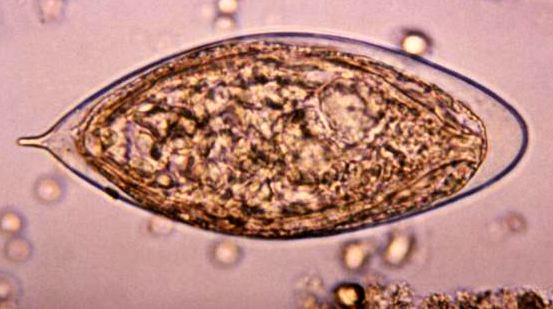
♦ Schistosoma
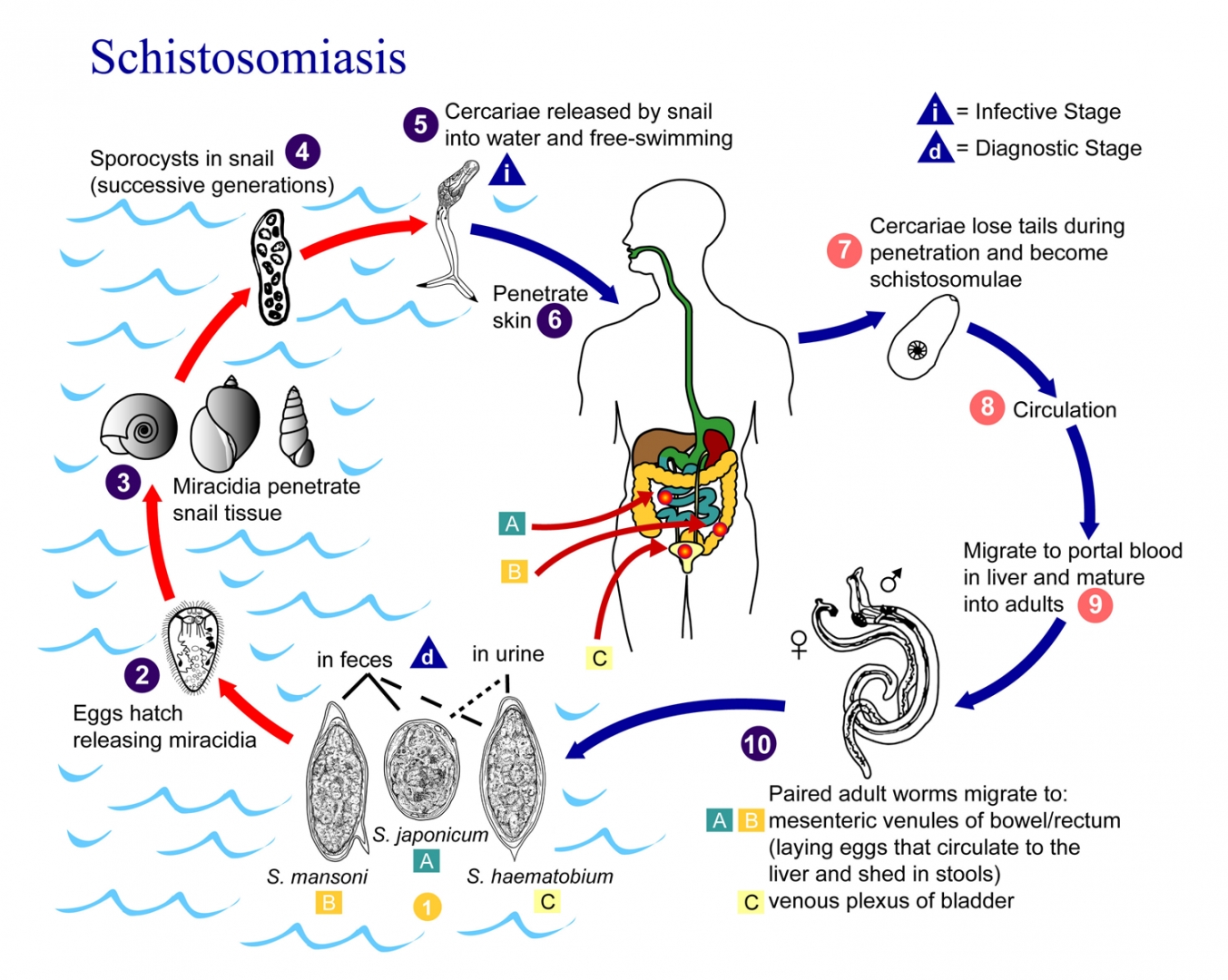
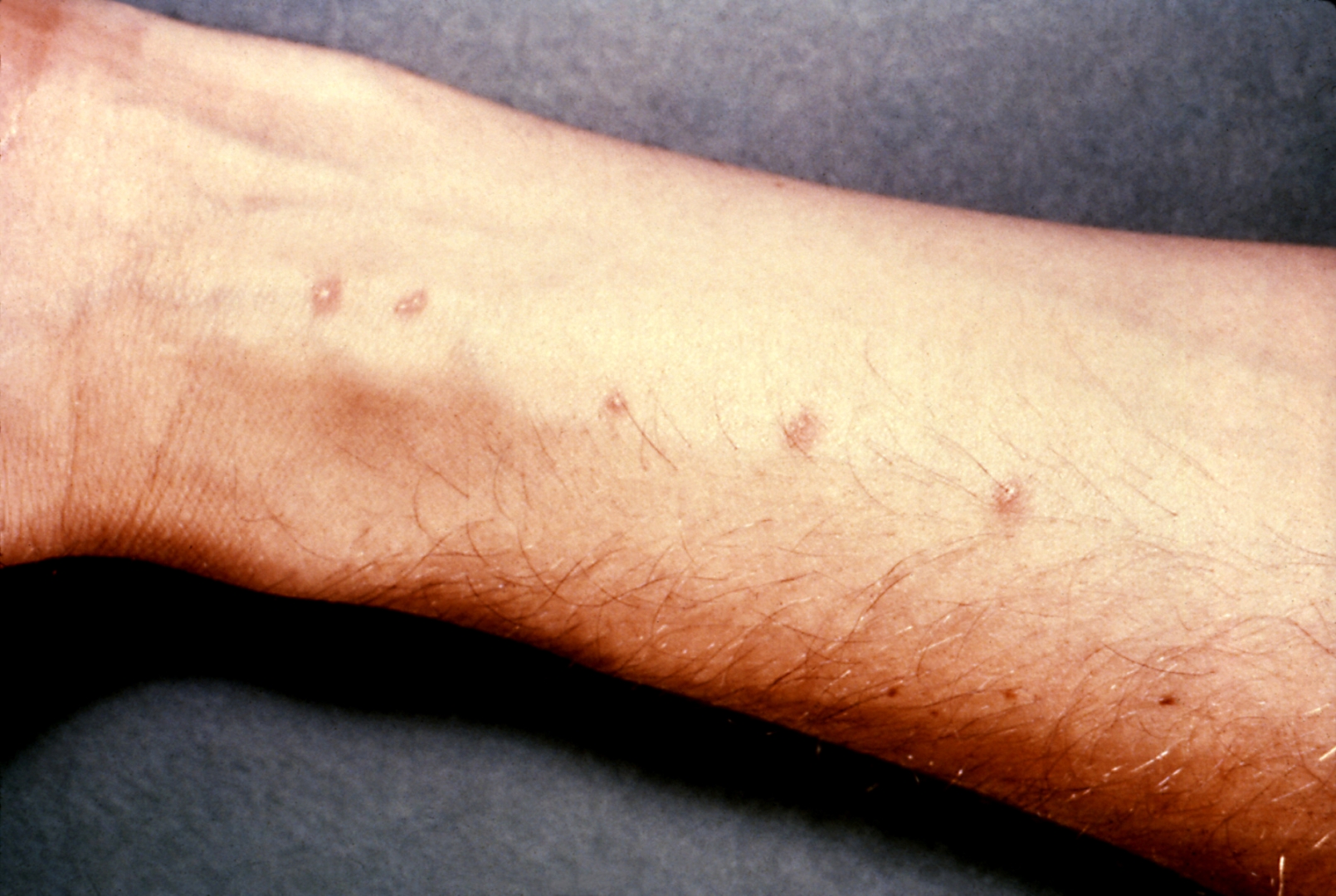
A freshwater snail on the banks of the Nile acts as the host for the parasite Schistosoma – a flatworm that penetrates the bladder and intestines through the skin.
There it lays eggs, after which it passes through the bladder, causing blood to appear in the urine and stools.
In no time at all, Napoleon’s soldiers were infected with this parasite. The blood in their urine made them feel just like women who were menstruating. Napoleon Bonaparte himself was also thought to have fallen victim to the flatworm, which caused him chronic pain. Right up until the day he died, the great general complained of thick, viscous urine and pain when passing urine.
The French troops thought that the Pharaoh’s curse had struck and became disheartened.
♦ Elephantiasis or elephant disease
A worm blocks the blood circulation.
When the Dutch explorer Jan Huygen van Linschoten arrived in Goa, India, around 1590, he noticed that some Indians were suffering from a horrific condition.
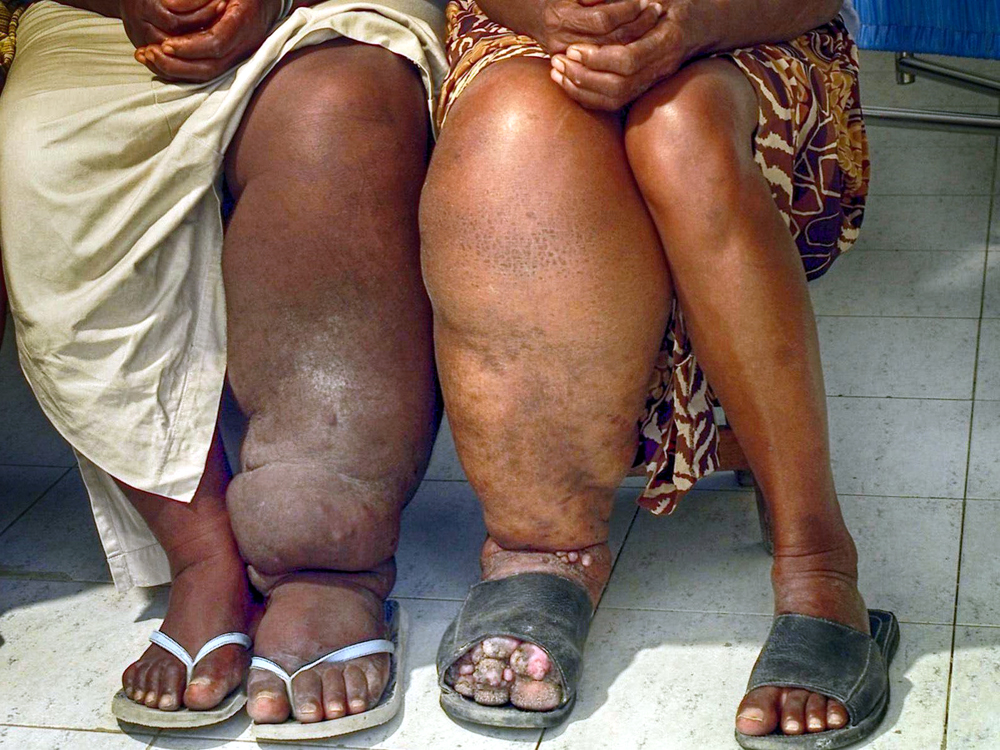
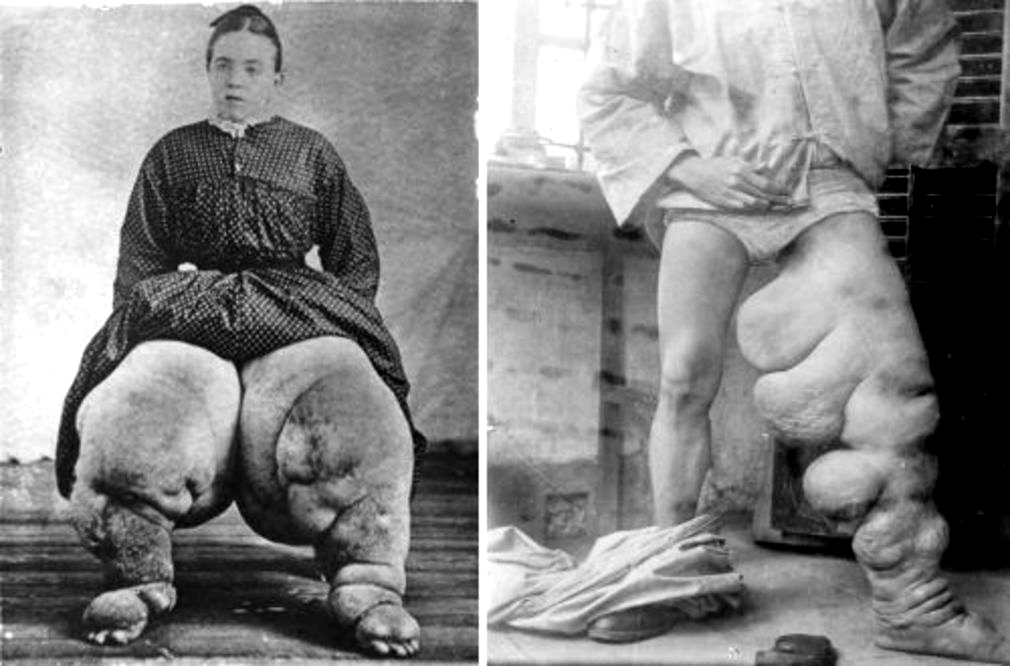
‘With a leg and foot – that is, from the knee downwards – as thick as an elephant’s leg.’
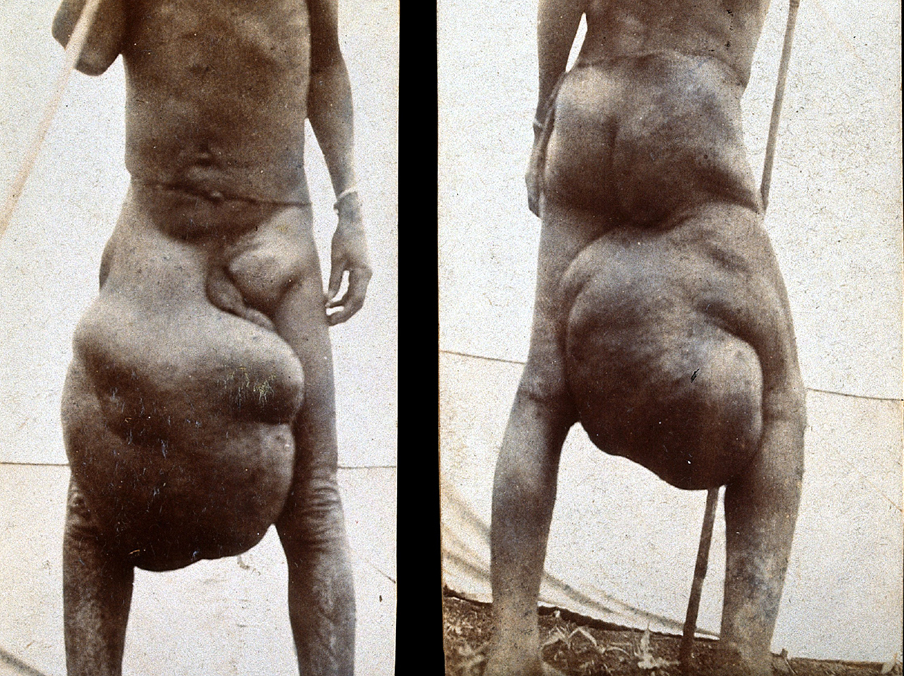
One or both legs swell up enormously, and in men the scrotum can become as large as the upper body.
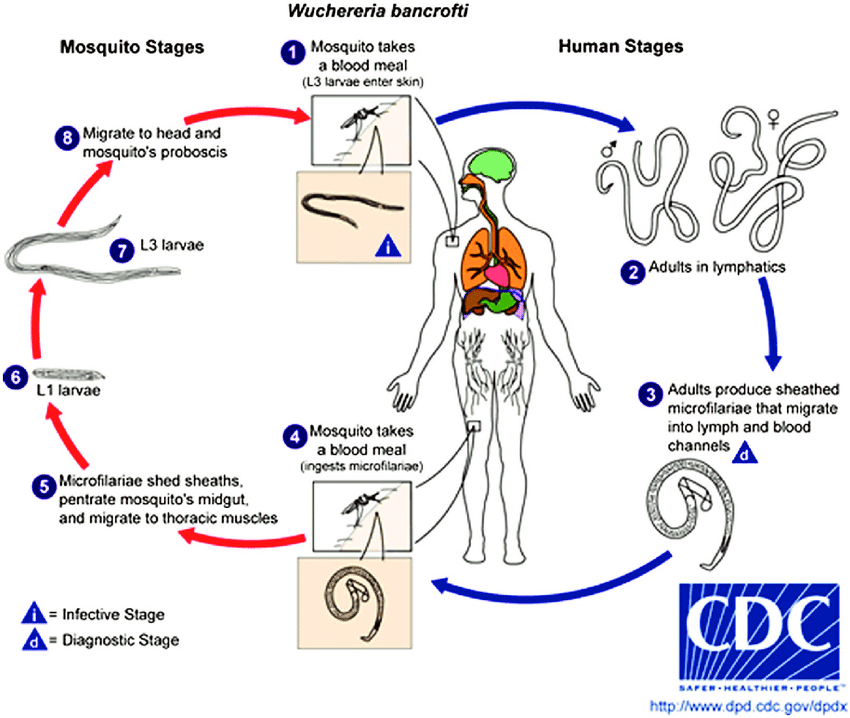
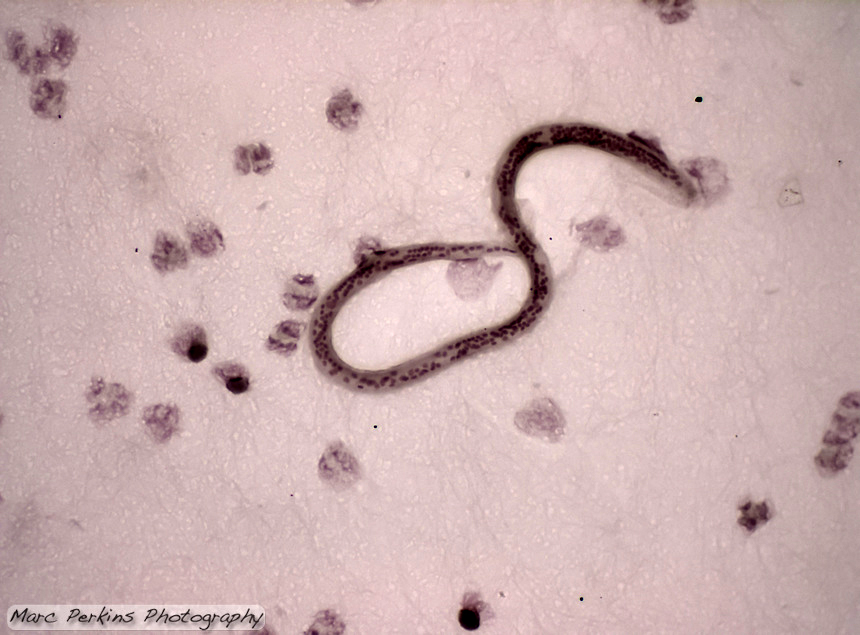
The disease is caused by a worm that lives in a mosquito’s gut. When the mosquito bites, the parasite’s larvae enter the bloodstream.
The blood vessels are then flooded with worms, which block the blood circulation. Patients are at high risk of gangrene.
Patients with elephantiasis are often no longer able to walk unaided.
♦ Guinea worm (Dracunculus medinensis)
The Guinea worm caused foul-smelling wounds
‘The fever has returned, and I’ve been vomiting for most of the day.’
In the 1830s, the civil servant Joseph Wulff was seriously ill in the Danish colony on the African Gold Coast. He had deep wounds on his legs, from which pus was oozing. They were caused by the Guinea worm.
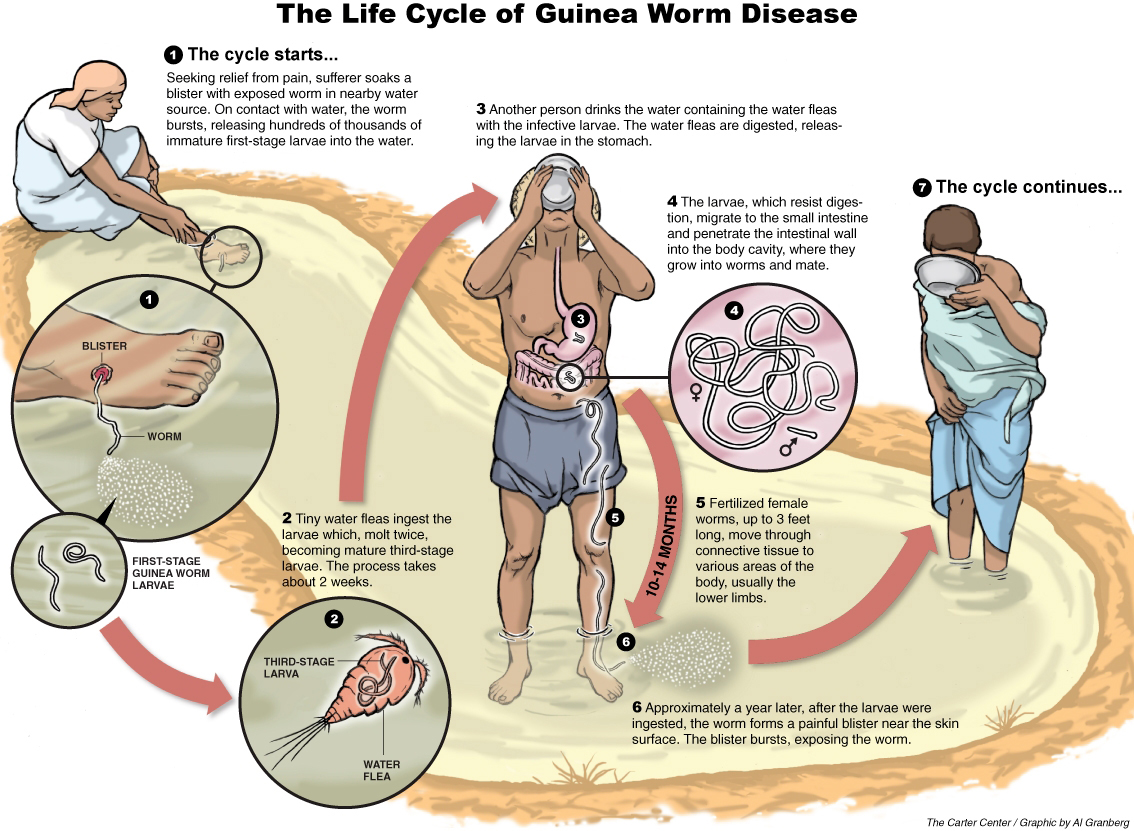
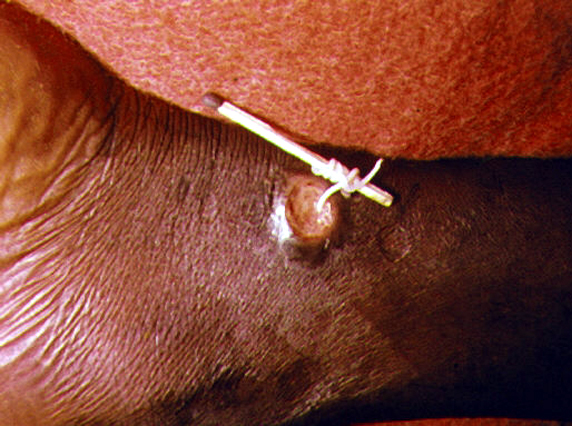
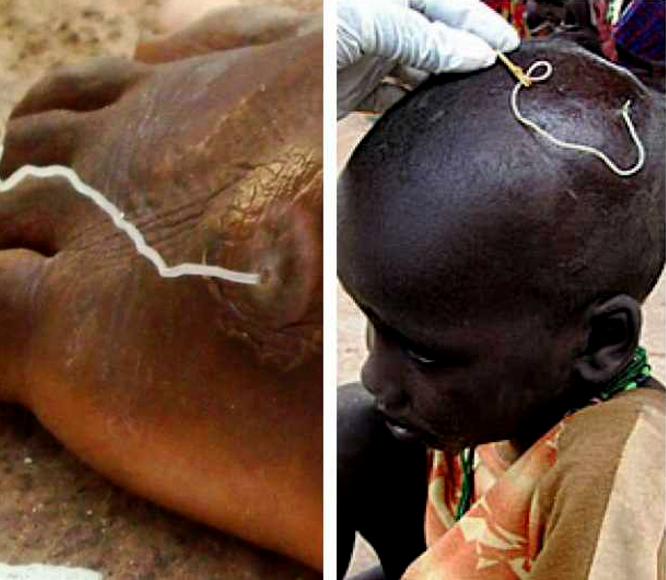
The parasite infects water fleas with its larvae, which are then transmitted via drinking water. It can take a year before the adult worms emerge through the skin of an infected person. The worm, which is no thicker than a thread, can grow to one metre in length and must be slowly pulled out of the body over a period of several weeks.
The wound often becomes infected.
Wulff wrote: ‘Dear parents, I stink like a donkey.’
Worm eats its way through the body
1. The Guinea worm infects water fleas in polluted water with its larvae.
2. The larvae feed their way through the digestive system, grow into worms and reproduce.
3. Fertilised females, which can be up to a metre long, migrate to the lower body.
4. After a year, the worm emerges through a painful blister on the skin and releases new larvae.
♦ Sleeping sickness caused by Trypanosoma brucei gambiense
A tiny fly brings a deadly slumber
In 1906, the English poet Rudyard Kipling described a hellish sailing trip along the West African coast, where many were struck down by ‘African sleeping sickness’: ‘The water was foul, and large, shiny flies plagued us. In the mornings and evenings, the mud banks that bred fever were shrouded in a bluish mist. Four rowers were ill and were tied down so that they would not jump overboard. The Yellow Man was ill, his head lolling, and he spoke his own language.’
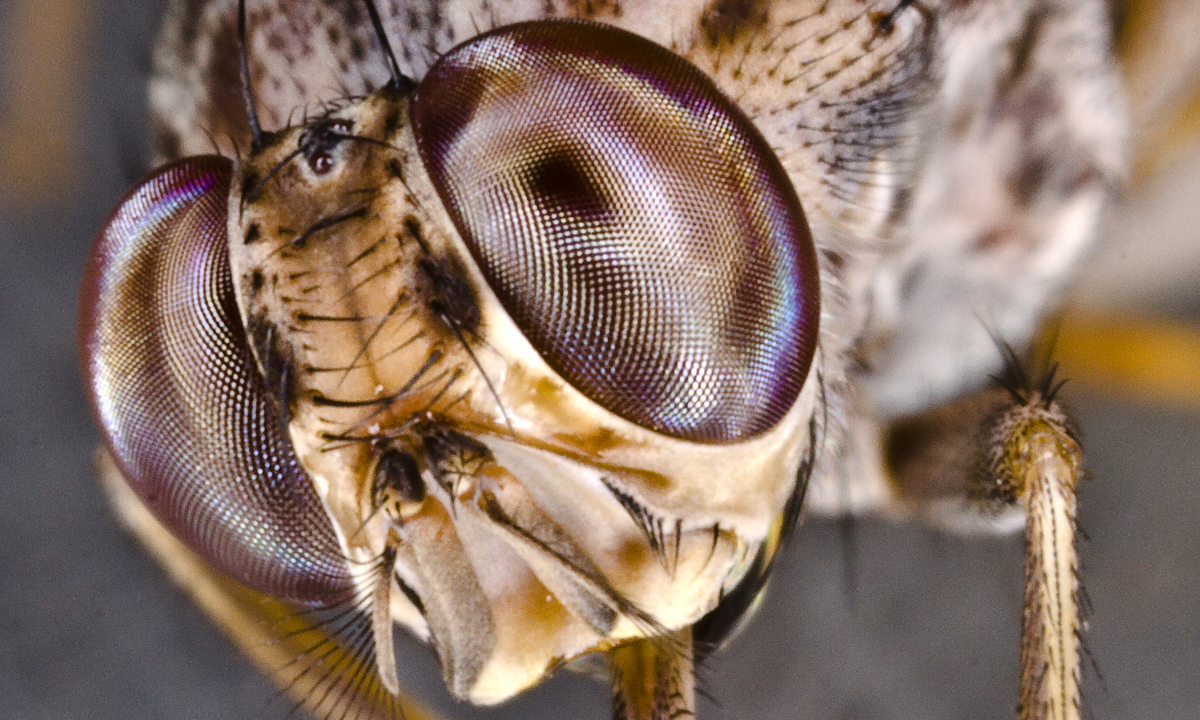
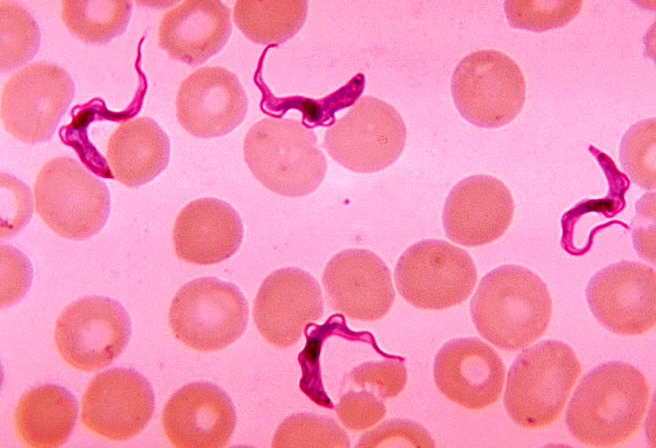
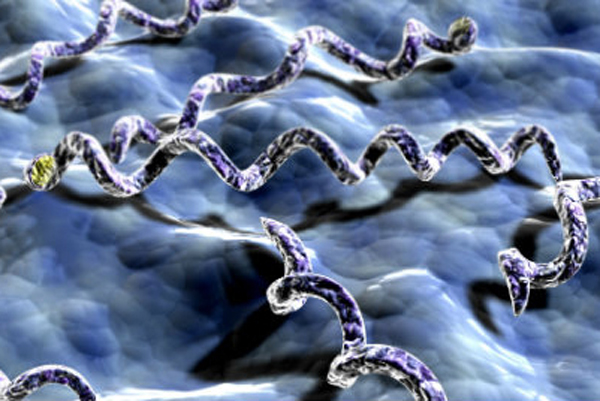
This dreadful disease was caused by the parasite Trypanosoma brucei gambiense, which is transmitted by the bite of the tsetsa fly. The fly’s mouthparts are so strong that they can pierce the skin of a crocodile. The insect drinks three times its own weight in blood, causing its abdomen to swell. The parasites thus enter the bloodstream and attack the nervous system. This leads to drowsiness and confusion, which can progress to a coma. Very few patients ever wake up again. This is how the disease got its name.
The tsetse fly has existed for millions of years and has claimed countless victims.
♦ Blackwater fever caused by *Plasmodium falciparum* (tropica)
Malaria medication killed patients
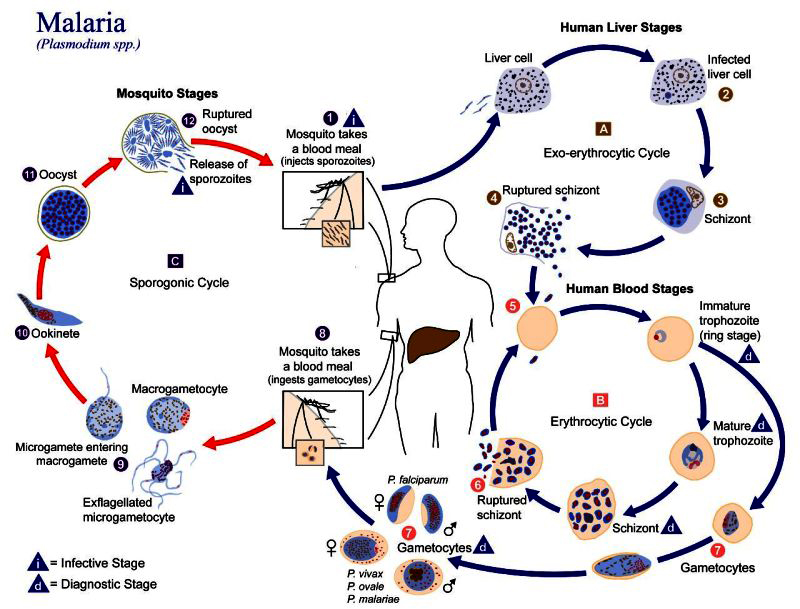
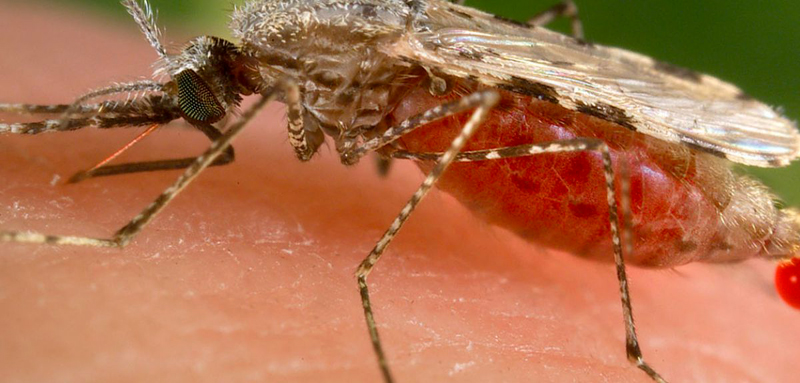
Blackwater fever, also known as blackwater fever, has become a rare disease. It occurs in cases of malaria tropica. Malaria is a disease caused by a parasite. The parasite enters the body through the bite of a mosquito, often in tropical regions. In the past, the drug quinine was widely used to treat malaria. It was the first medicine to prove effective against malaria.
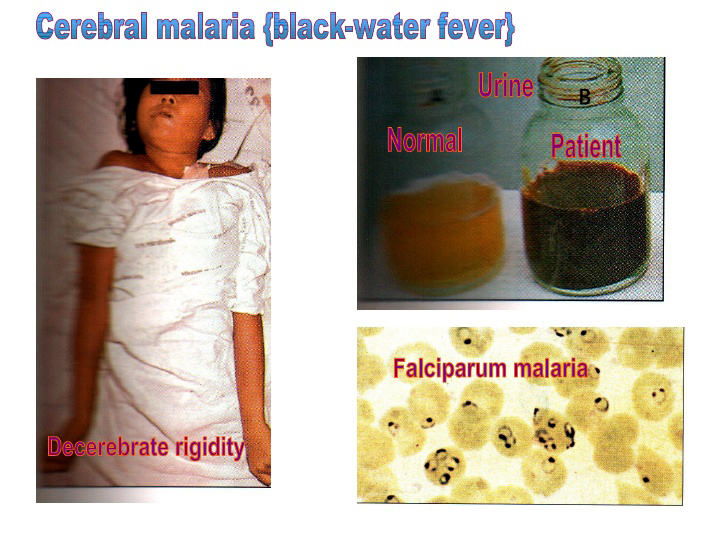
However, it also had a downside: some people developed blackwater fever. This involves the breakdown of red blood cells, resulting in dark-coloured urine.
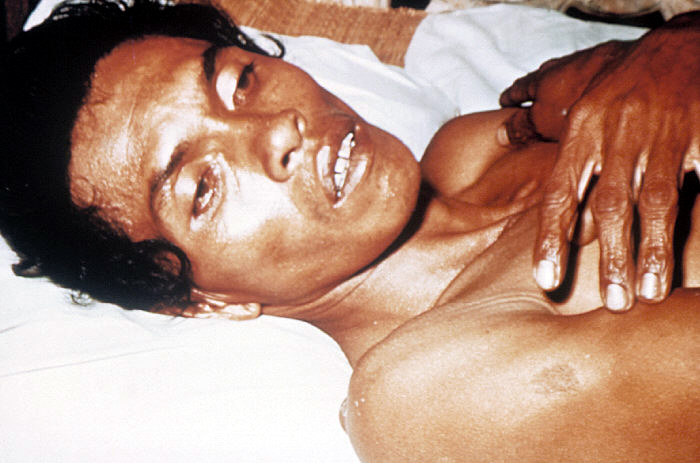
In 1819, a new disease suddenly broke out in West Africa. The patients exhibited the usual symptoms of ‘climate fever’, as Europeans referred to all manner of tropical ailments. But this one turned the urine black, and most patients died within a day. The mysterious disease was named blackwater fever. In the 1930s, 5 per cent of white settlers in Africa suffered from blackwater fever.
Gradually, doctors discovered the link: the black urine was caused by the destruction of red blood cells, and what was destroying them was the quinine powder that had been an effective remedy for malaria for many years.
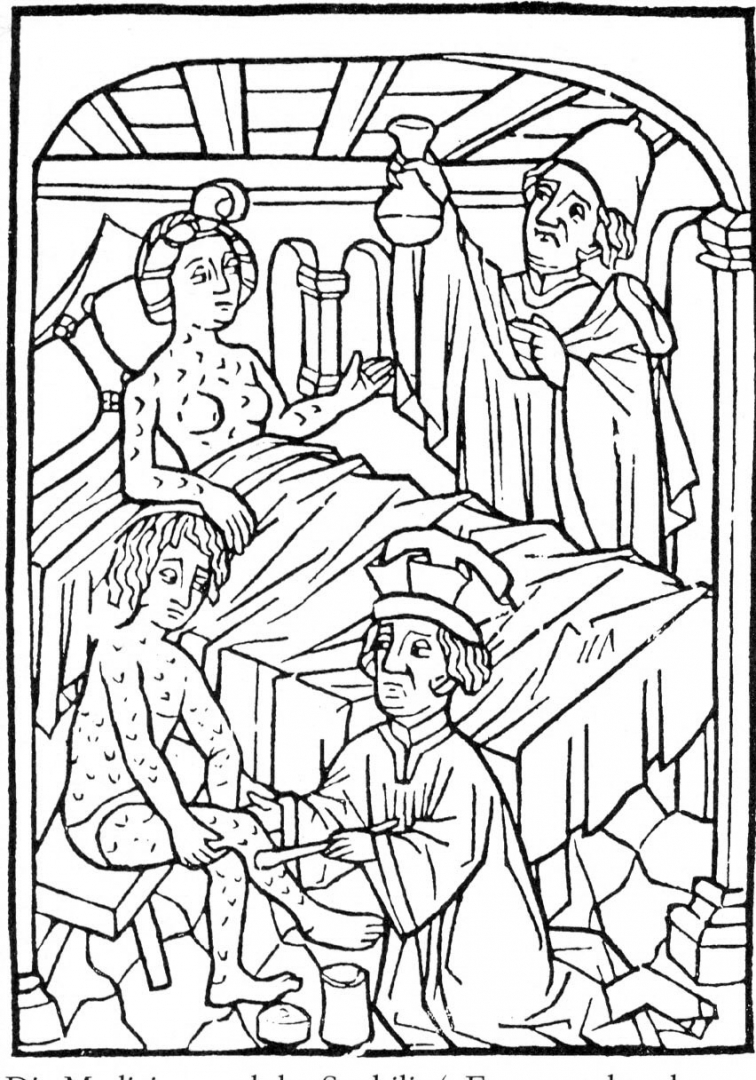
♦ Syphilis: Columbus’s captains brought syphilis back with them
When the Europeans crossed the Atlantic, they brought with them smallpox, measles and other diseases, which decimated the indigenous populations of South America. But the explorers also brought a few nasty ailments back home with them.
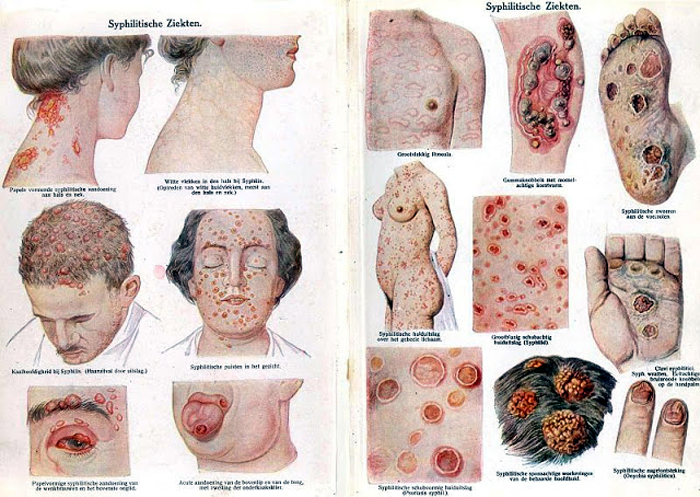
For instance, the Spanish captain Martín Alonso Pinzón fell ill in 1493. When his ship returned to Spain, he had to be carried ashore. With festering sores and blisters on his skin, Pinzón died a few days later. No one knew what was wrong with him, but not long afterwards, more crew members fell ill. The doctor Ruy Díaz de Isla tended to the sick sailors and noted: ‘An unknown disease, never before observed or described.’
It is likely that Pinzón, who had been to the Americas with Christopher Columbus, had the dubious honour of being Europe’s first syphilis sufferer. The STI first struck in Barcelona, with its many brothels.
A year later, mercenaries brought the disease to Naples, and from there it spread across Europe. As contraceptives were scarcely used, the disease had free rein.
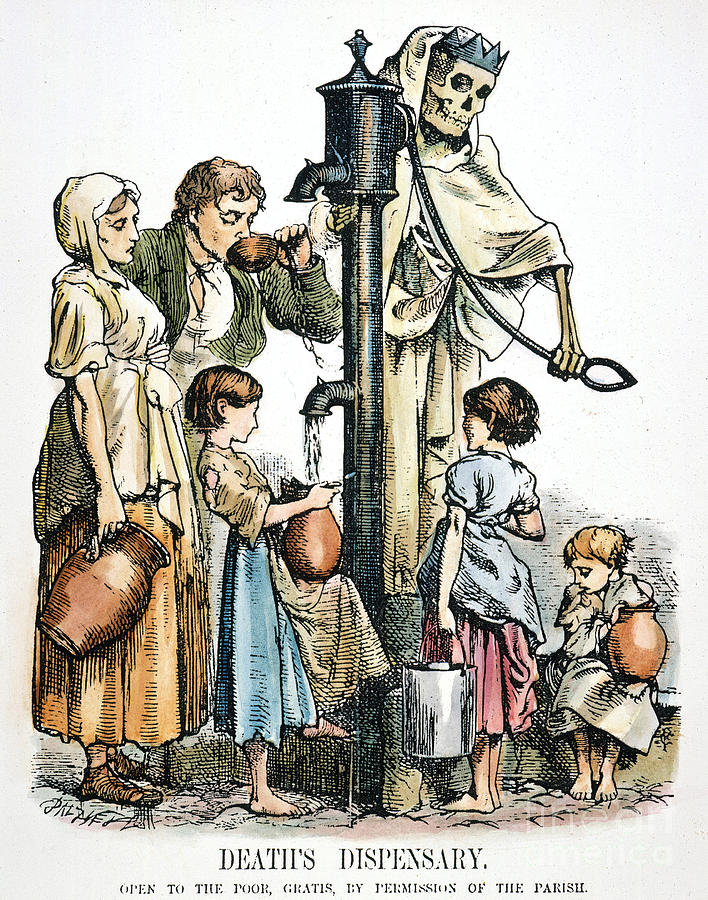
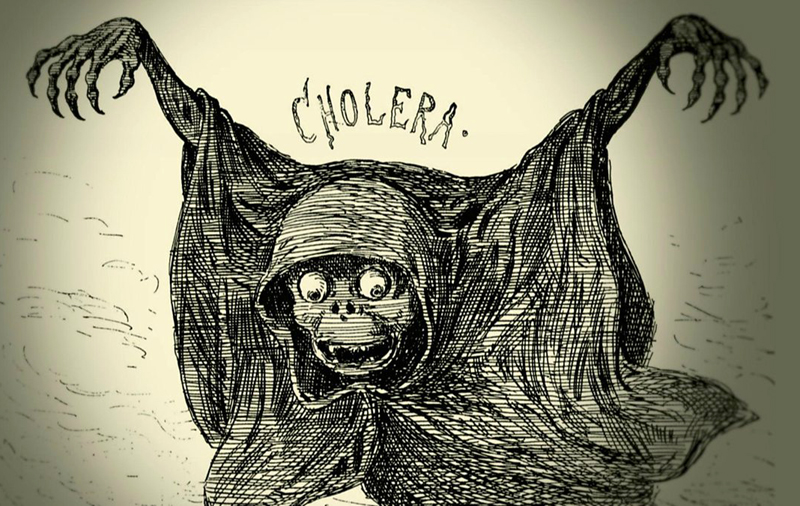
♦ Asian cholera: Diarrhoea was deadly
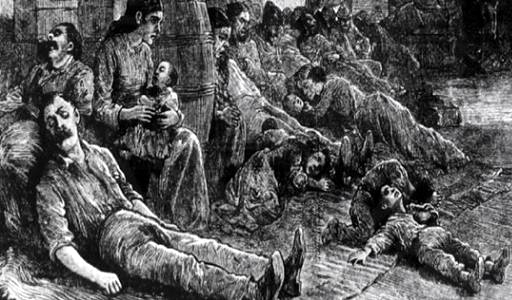
Cholera existed as far back as ancient times, but it was only when global trade emerged in the 19th century that this horrific disease developed into a pandemic.
• The disease is thought to have originated in India.
• Transmission via faeces.
• Cholera swept across the globe five times during the 19th century.
• In 1832, the first wave in Europe claimed 100,000 lives.
• A pandemic in 1852 proved fatal for 14,000 Londoners.
• The high mortality rate, around 40 per cent, was due to dehydration caused by severe diarrhoea.
• The epidemics led to strict laws on hygiene and sewage in countries including Great Britain.
♦ Dum-dum fever: A tiny fly causes wounds that won’t heal
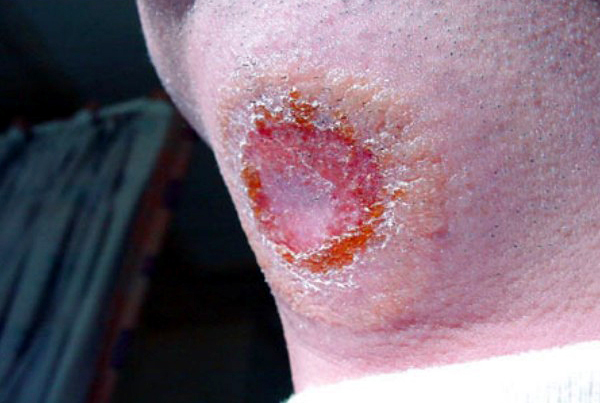
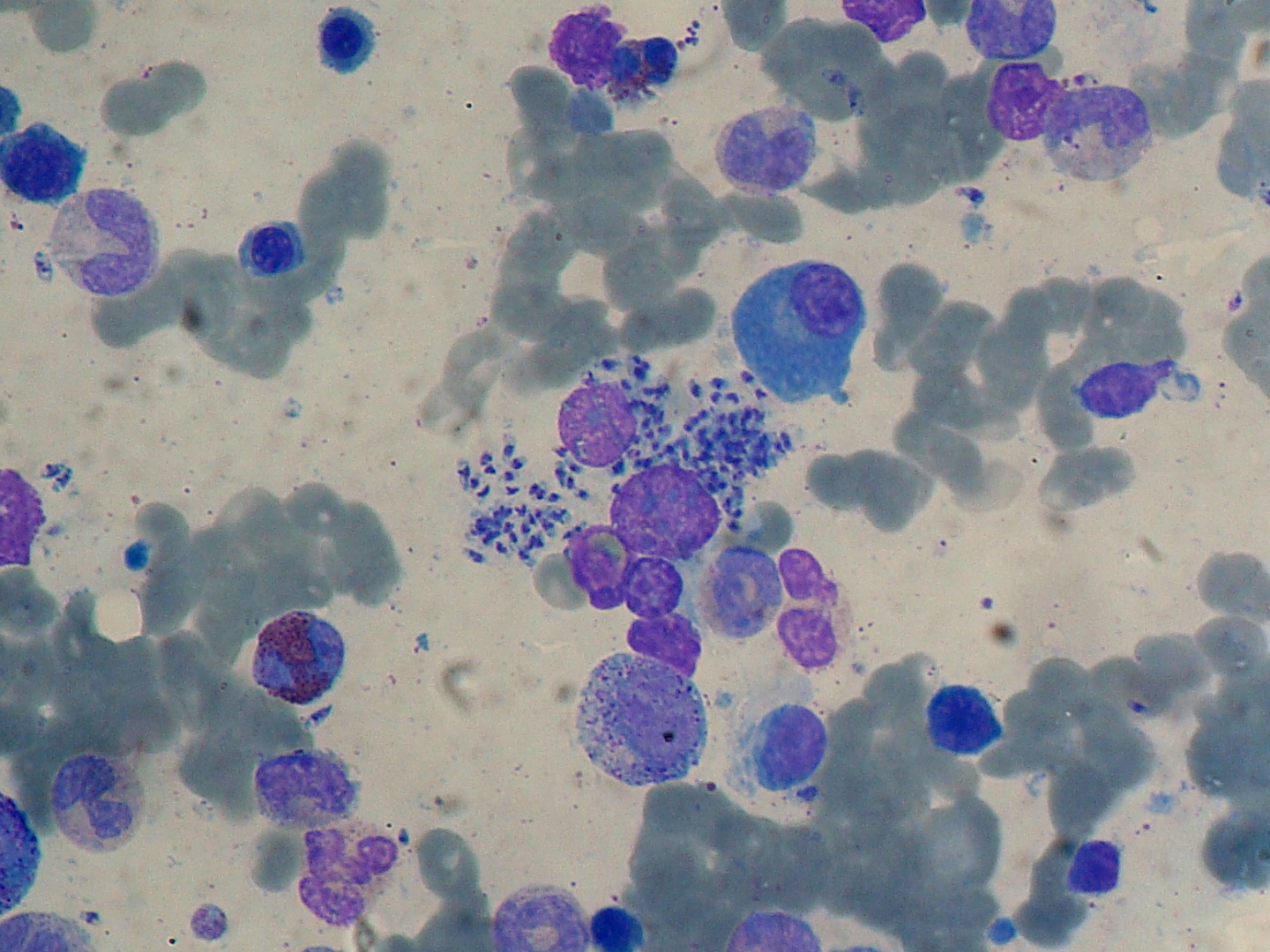
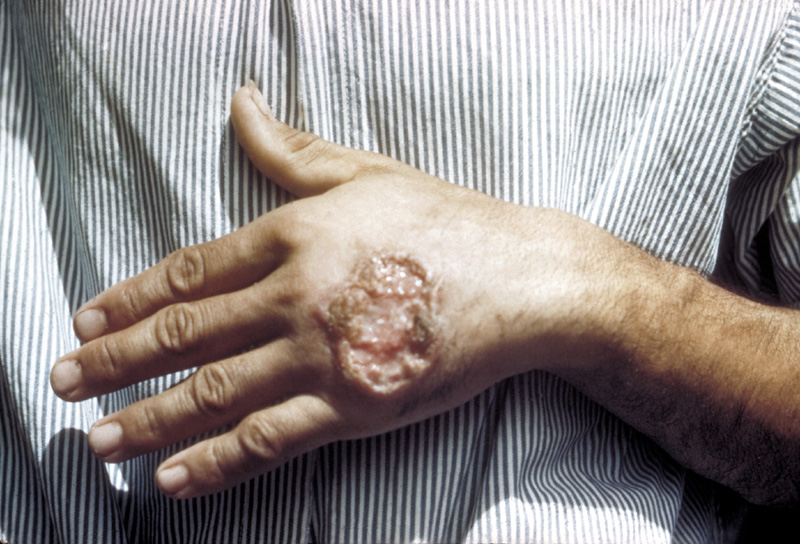
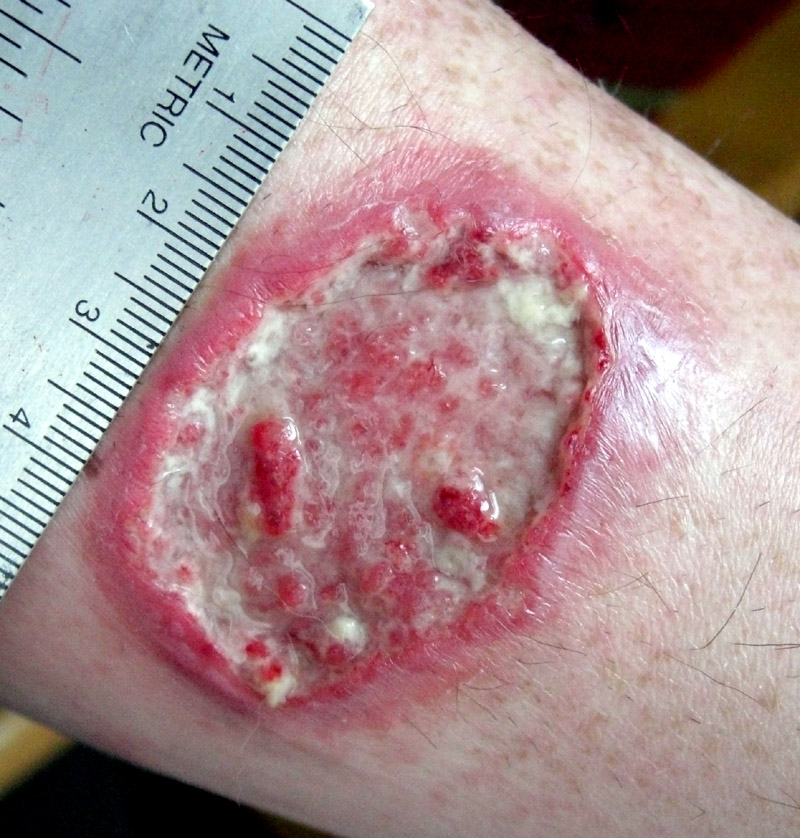
When Europeans arrived in the Far East, they encountered all manner of unknown ailments. One of the most remarkable and repulsive was leishmaniasis. This fever is caused by the bite of a tiny sand fly. Virtually incurable sores appear on the skin, resembling large lumps. If the disease affects the mucous membranes, the mouth and nostrils become damaged. The most serious form is visceral leishmaniasis, also known as ‘dum-dum fever’. This infection affects the entire body and leads, amongst other things, to anaemia and an enlarged spleen and liver.
The mortality rate is so high that Leishmania is the second most dangerous parasite in the world. Only malaria claims more lives.
History
12 January 2018
by Klaus Larsen