.jpg)
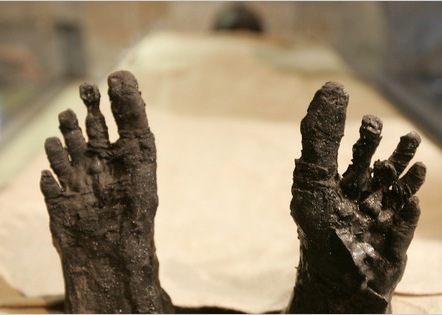
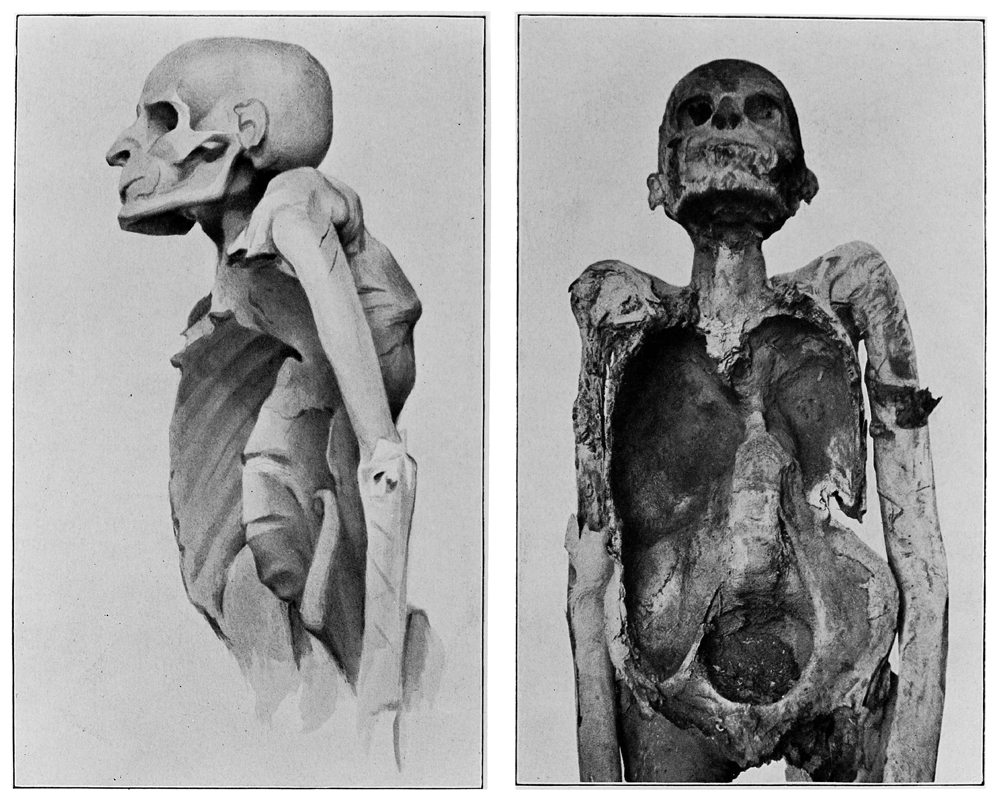


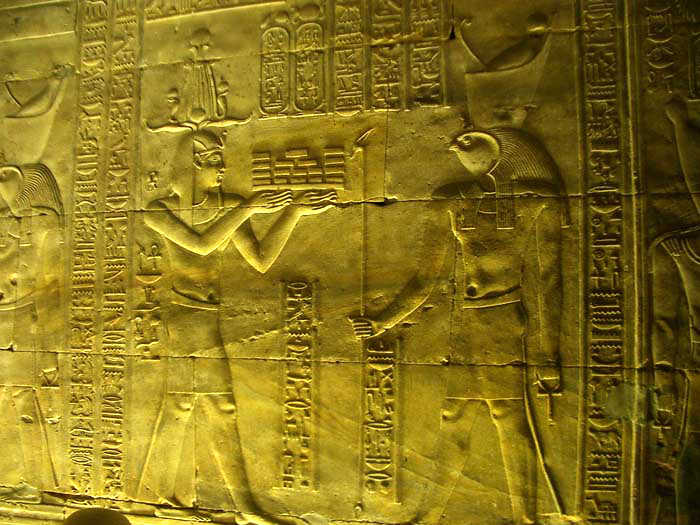
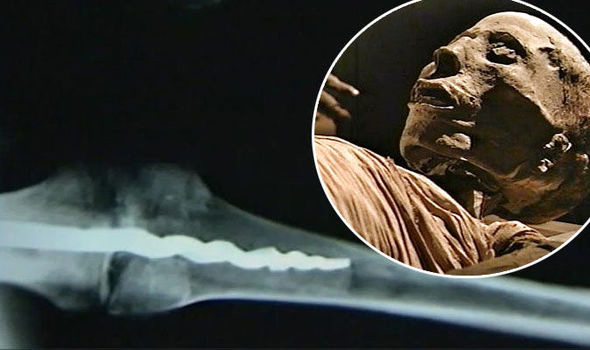

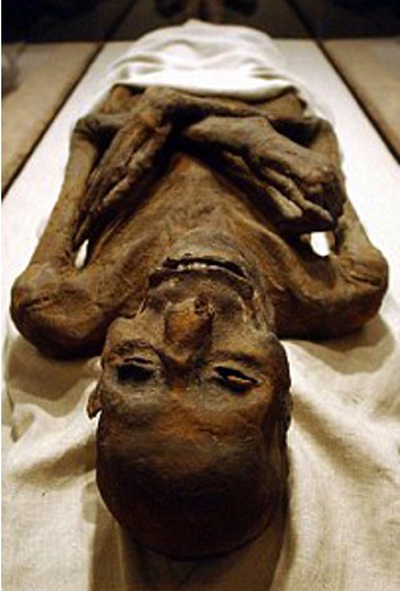
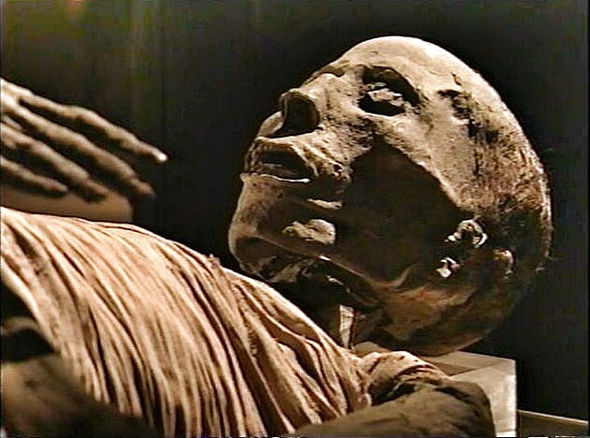
There was a palpable tension in room 1128 of the Anatomical Institute at the University of Toronto on that 9th of August 1974. It was the height of summer, so the international research team had to work quickly and with extreme concentration.
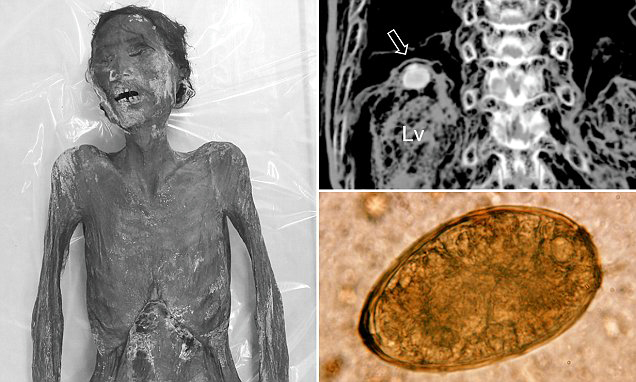
First, the frail patient was weighed; then came the X-rays and blood tests, tissue samples were taken, and the organs were examined. Once they had gathered all the data, the researchers knew not only the cause of death but also that the young Egyptian weaver Nacht had suffered from serious ailments during his lifetime.
♦ The young Egyptian weaver Night
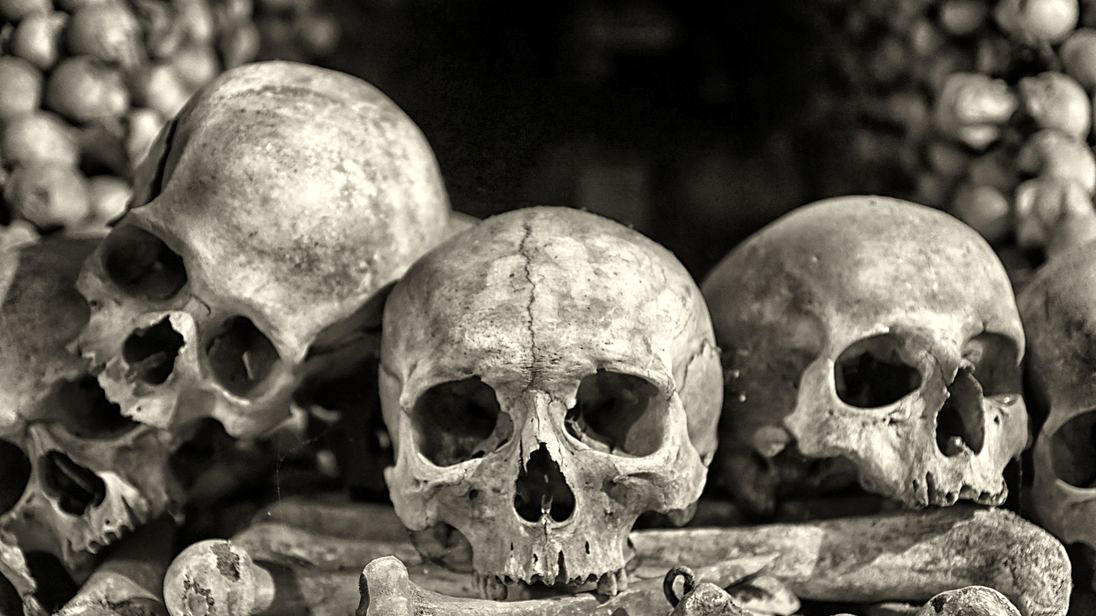
Toen When Nacht died, he was about 15 years old and 1.40 meters tall. His blood type was B. His skeleton showed a large number of pronounced 'Harris lines'.
Such scars indicate a growth disorder resulting from improper and insufficient nutrition or a prolonged illness with high fever. Nacht most likely suffered from malaria.
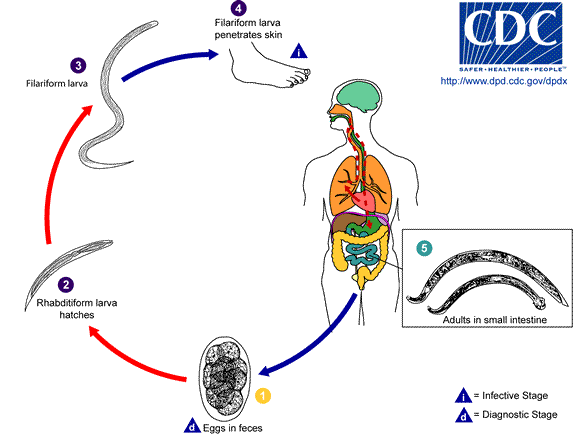
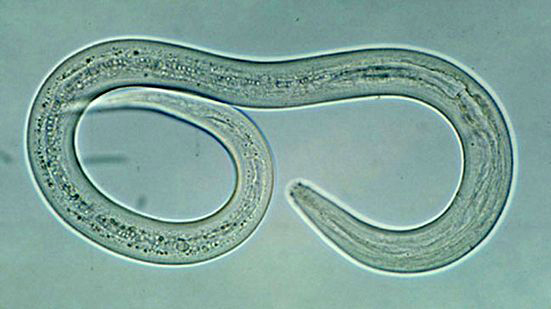
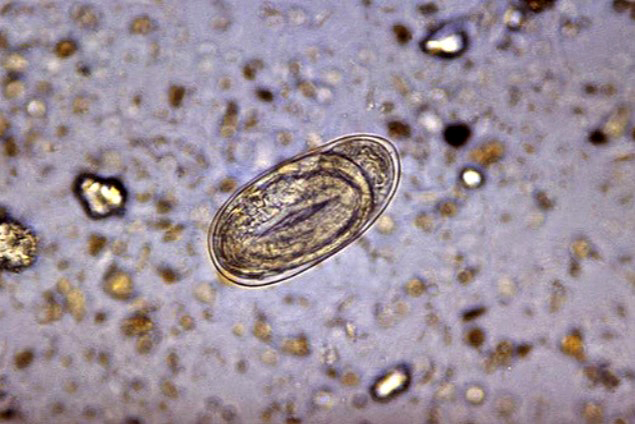
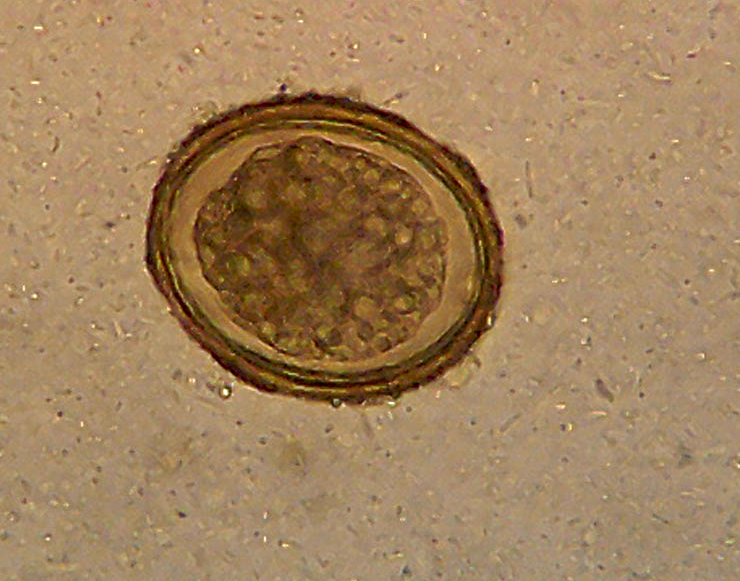
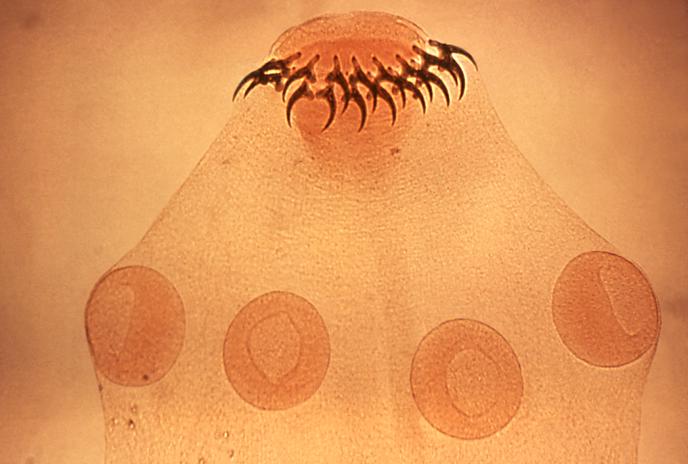
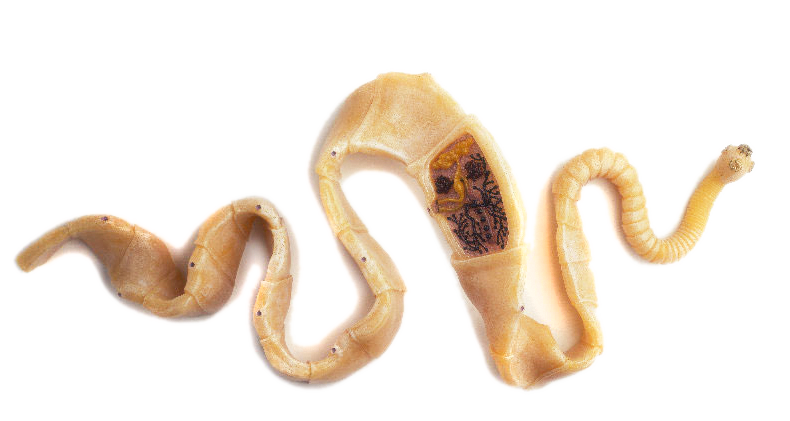
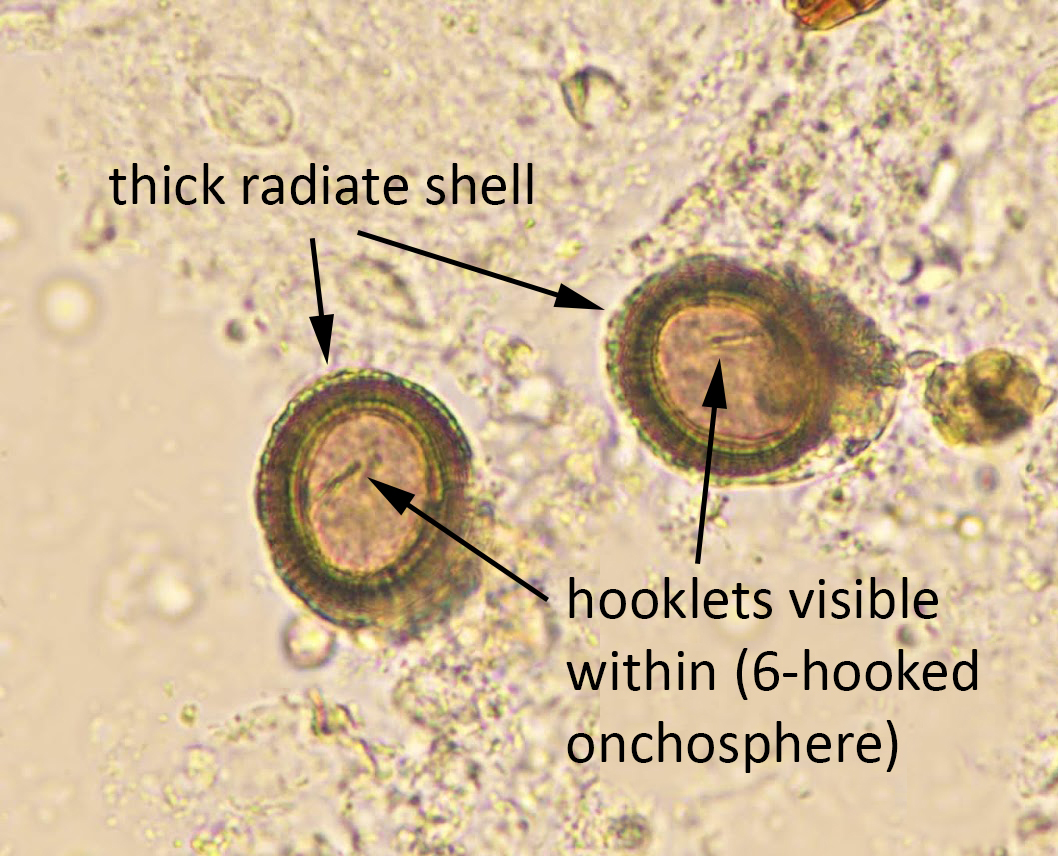
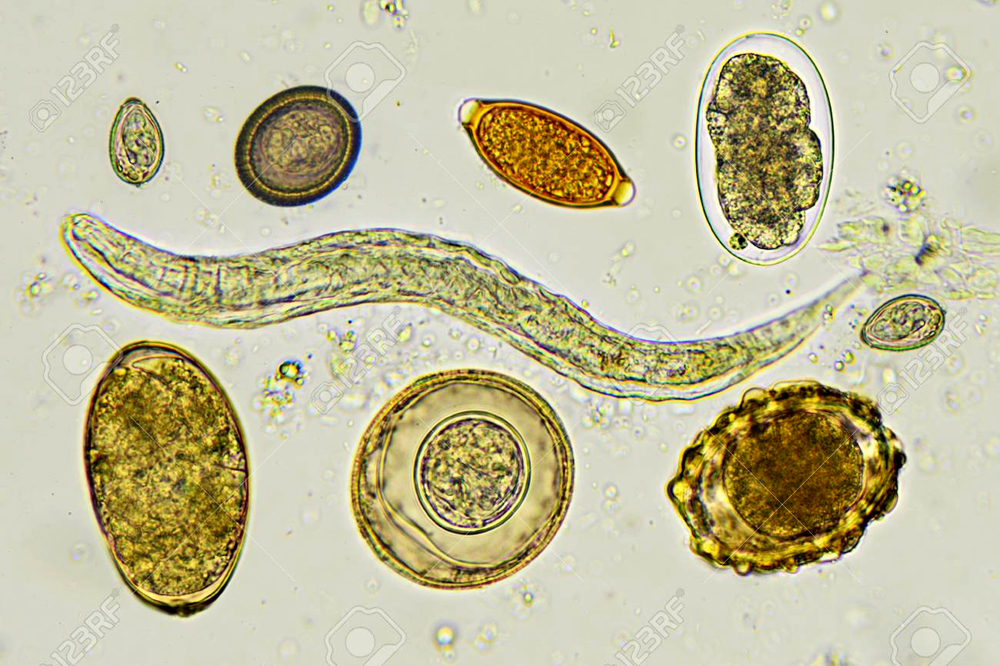
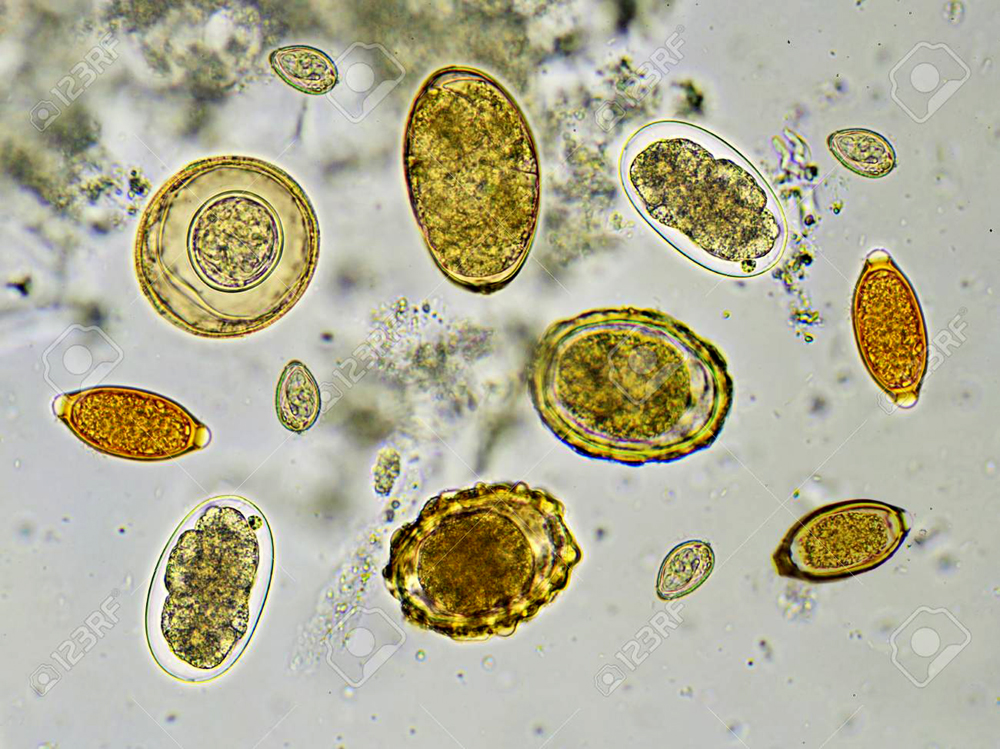
He also had parasites. A tapeworm and tapeworm eggs were found in his intestines, and in his muscle tissue, eggs of roundworms originating from raw pork and causing trichinellosis.
♦ Worms and parasites in all parts of the body
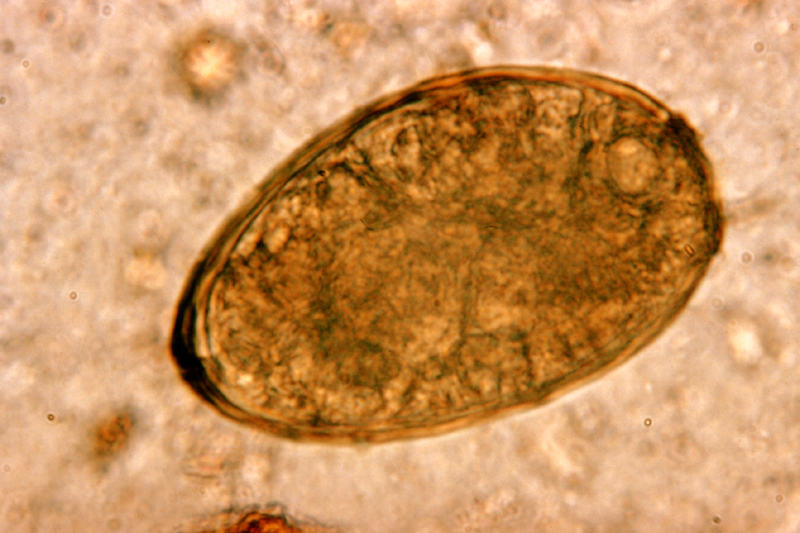
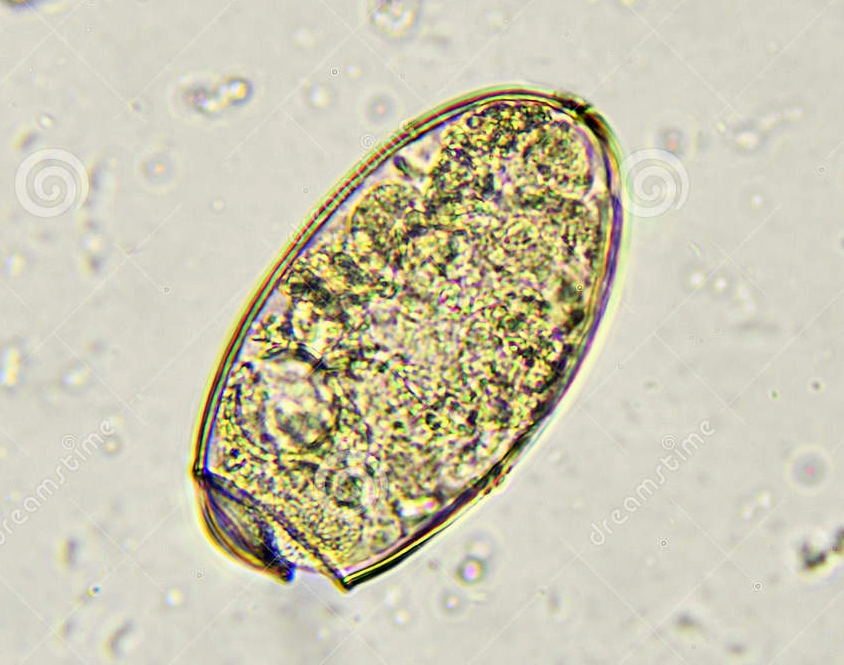
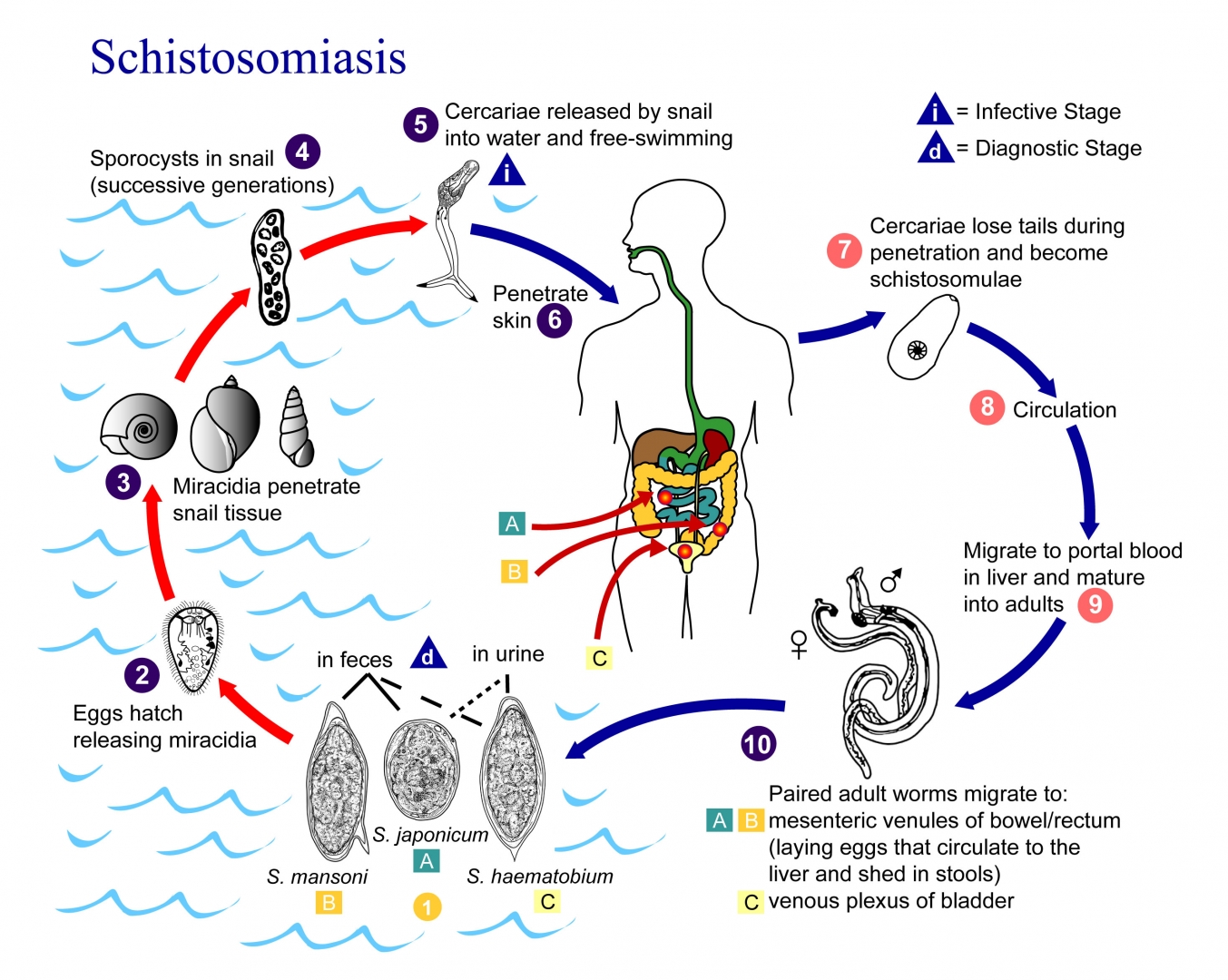
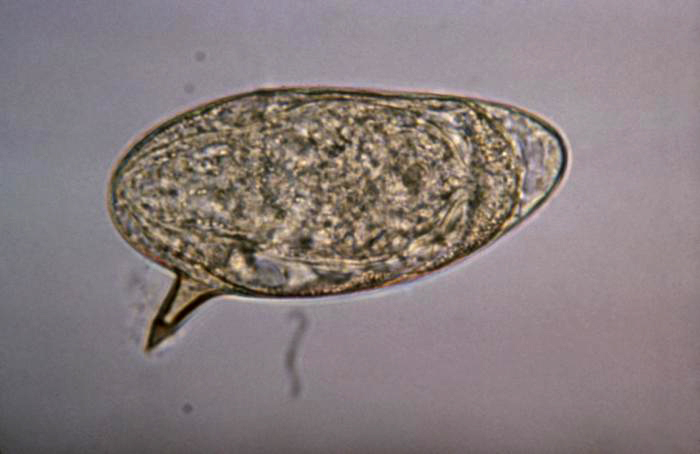
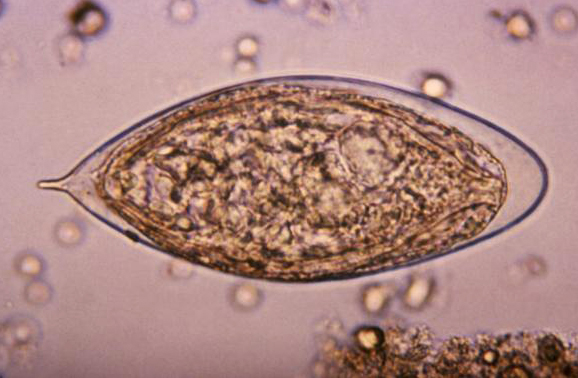
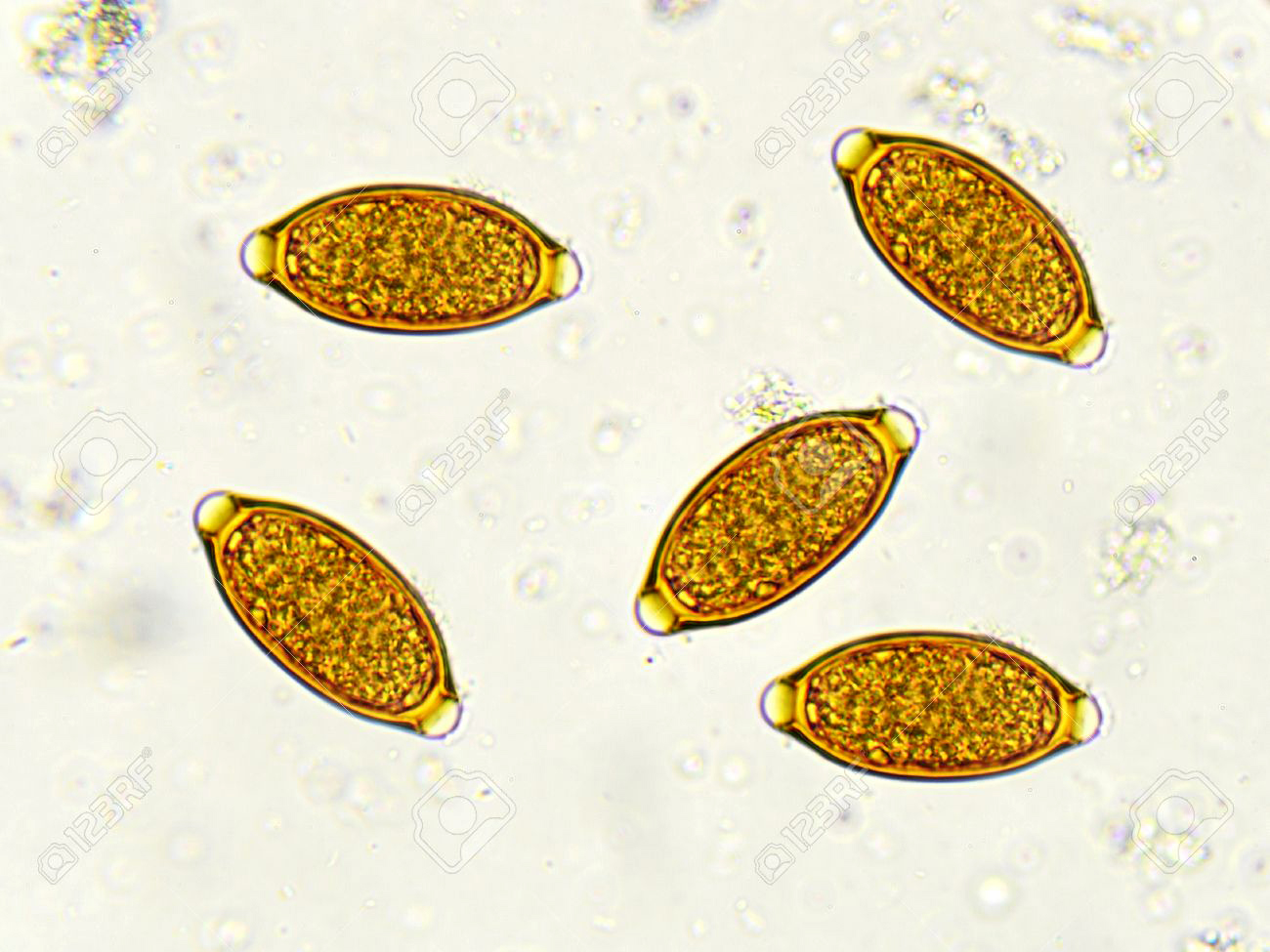
Nacht must have come into extensive contact with contaminated water, as flukes, carriers of bilharzia, were found in his bladder, liver, and kidneys.
These aquatic worms penetrate the human body through the skin, reach the liver via the lymphatic system, where they develop further before spreading throughout the entire body. In addition, our patient likely also suffered from liver cirrhosis.
His lungs showed all the characteristics of smoker's lung and pneumoconiosis. He must therefore have spent a lot of time in enclosed spaces with open and smoking fires.
Such precise disease data can only be obtained through mummy research, since many infectious diseases, soft tissue damage, and organ deformities leave no traces in the skeleton.
Deep wounds, chronic diseases, congenital abnormalities, and bone cancer, however, can be read from the bones.
♦ Diseases of the ancient Egyptian population
The population suffered greatly from intestinal ailments and parasitoses.
Signs of conditions such as schistomiasis or bilharziasis (a parasitic disease primarily affecting the bladder, but also the intestines) and ankylostomiasis (the hookworm that causes bleeding of the duodenum and small intestine) have been found in mummies.
Although malaria apparently occurred less frequently than in Mesopotamia, people nevertheless often suffered from numerous fevers and other epidemic diseases such as smallpox and the plague.
Trachoma, an eye inflammation, was a frequent cause of blindness. Abnormalities were found in the vertebrae of mummies that we now know as Pott's disease: tuberculosis of the spine.
Some writings mention conditions reminiscent of gonorrhea; clear traces of syphilis were not found in the bones.
Skin conditions were also frequent and not always attributable to leprosy. Appendicitis, asthma, and pneumonia certainly must have occurred as well, as did rheumatism, gallstones, kidney stones, and ovarian cysts.
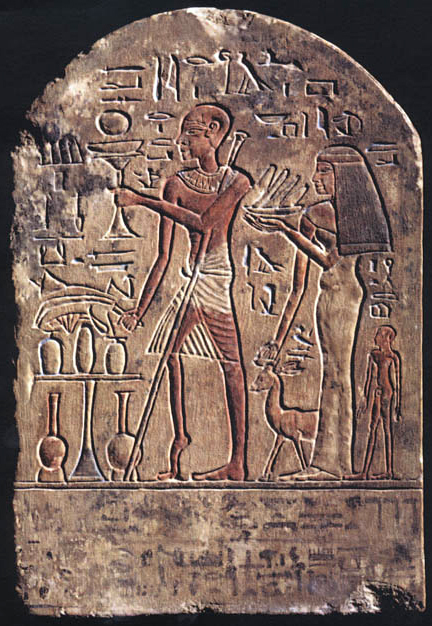
Residual lesions of poliomyelitis can be seen on temple images. Due to the frequent consumption of wine and beer, which was mentioned in many stories, liver cirrhosis was also not uncommon.
♦ The research
The examination of the patient was not limited to palpating injuries with the fingers. Sputum, urine, feces, and other body substances were also inspected. It was known that the pulse was a continuation of the heartbeat, and it was sought out at various locations.
There are descriptions of ruptures and hernias ('swellings on the front of the abdomen that protrude upon coughing'), of bloody urine and retention due to cystitis, bladder stones, or parasites, and of wound infection ('slow-healing wound that fails to close, with high fever and red edges, with the opening of the wound').
♦ A wide selection of medicines
Many medicines and plants were originally used by the Egyptians and later found their way into the herbals of Dioscorides, Pliny, and Galen. They were familiar with pills, tablets, suppositories, ointments, gargles, vapors, and baths. Enemas (lavages) were, of course, also in use. It was even believed that the ibis, the symbol of the god Thoth, had invented the enema by inserting its beak into its own anus. As a solvent, they used water, milk, beer, and wine, each mixed with a little honey. What we now call 'castor oil' was already used then as an internal medicine, but also to anoint wounds and irritated areas.
Opium products may have been used as early as the 2nd century BC, as well as extracts containing hyosciamine and scopolamine, products related to the mandrake root. 'Rotten bread' was placed on wounds and possibly had an antibacterial effect due to its fungi.
Women used antimony to paint their eyes. Copper preparations were used against trachoma.
♦ Surgery
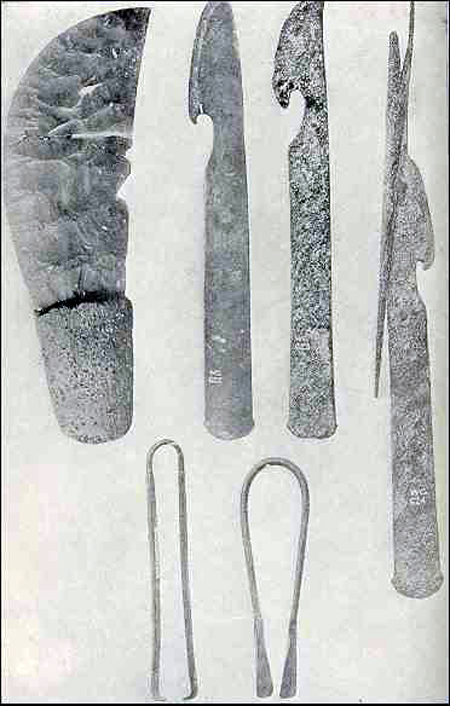
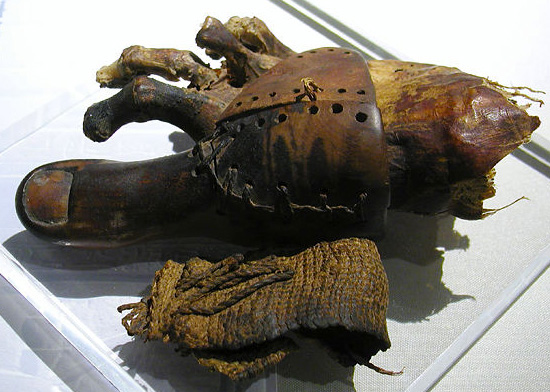
The Egyptians used leeches to drain blood. Gaping wounds were closed with a type of adhesive plaster made of resin dipped in linen. Splints made of papyrus stalks, linen, and wax served to immobilize bones.
In the papyrus, one also finds various techniques for repositioning displaced bone fragments. Bleeding was stopped by local pressure. There is also mention of a skull fracture accompanied by deafness, and of a displaced fracture of the cervical vertebrae with paralysis in all four limbs, priapism (uncontrollable persistent erection), and spontaneous ejaculation and urination. There is no mention of sewing up wounds, although the bodies were closed with needle and thread after mummification.
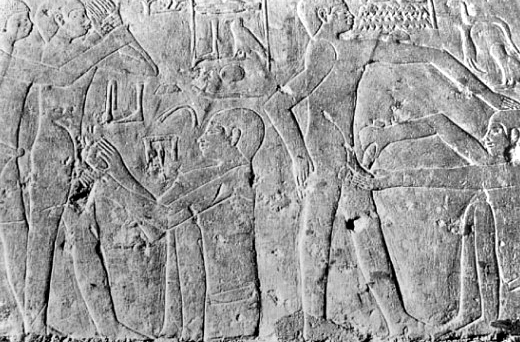
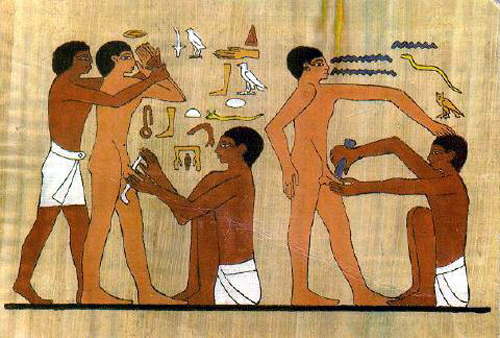
Circumcision was performed very frequently. The origin of this practice remains a mystery. It is unclear whether it was done for hygienic reasons or to increase fertility in a culture where concubinage and incest were firmly entrenched. Initially, being circumcised was considered a status symbol, exclusively for priests. Subsequently, the pharaoh and his sons were also circumcised, and only later were all male children circumcised. However, it is almost certain that the Jews adopted this surgical procedure from the Egyptians during their exile.
♦ Women's diseases
Gynecological conditions such as uterine prolapse (protrusion of the uterus through the vagina) and the use of a pessary were known. They were aware of vulvitis (inflammation of the labia), endometritis (inflammation of the uterine lining), and uterine cancer. To treat these conditions, the woman was placed astride hot stones onto which medicinal solutions were poured. The resulting vapors could penetrate the vagina. Infertility was treated by the woman's symbolic intercourse with a bull. As a contraceptive, acacia leaves were sometimes inserted into the vagina. That was not entirely ineffective! After all, we now know that these leaves release lactic acid.
Source: G-History & about physicians and medicine
♦♦ Malaria ♦
is one of the leading causes of death in the world
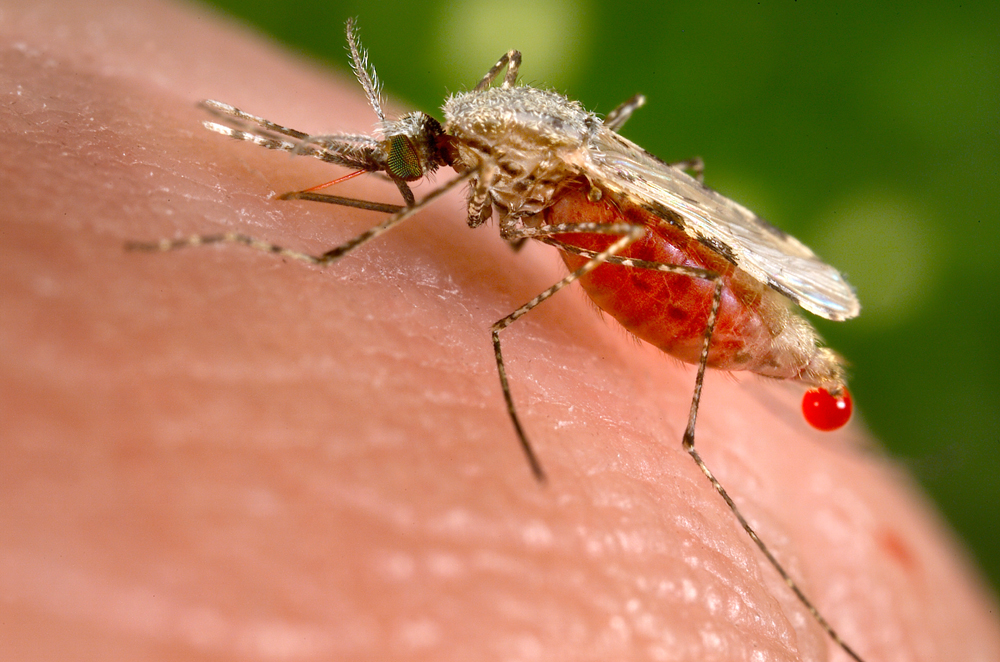
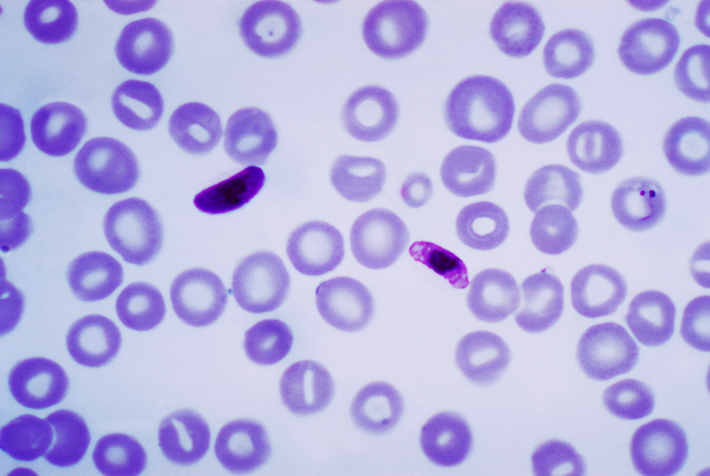
Malaria is an infectious disease caused by parasites that enter the body through a mosquito bite. The mosquito is therefore the carrier of the parasite from one person (a malaria patient) to another. The parasite is a single-celled organism belonging to the protozoa.
It is therefore not a bacterium or a virus!
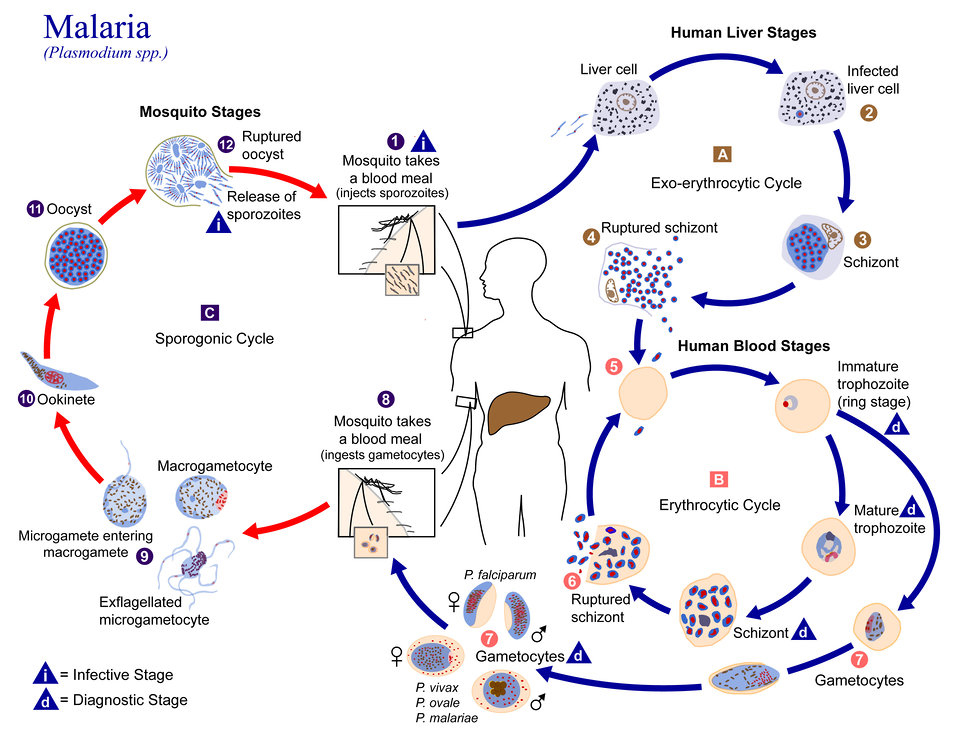
There are many species of mosquitoes, but only mosquitoes of the genus 'Anopheles' can transmit malaria parasites to humans. In humans, the malaria parasites first multiply in the liver and then in the red blood cells (see 'Life cycle of the parasite').
The symptoms associated with malaria, such as chills, fever, muscle pain, and headache, are caused by the parasites multiplying in the blood. Initially, these symptoms are indistinguishable from a flu attack. An infection with malaria parasites can lead to death within a few weeks if left untreated.
However, there are different forms of malaria, which exhibit a more or less severe course of the disease.
Different species of malaria in humans: Plasmodium falciparum, Plasmodium vivax, Plasmodium ovale, Plasmodium malariae, and Plasmodium knowlesi.
Plasmodium falciparum / tropical malaria
This is the most virulent and dangerous form of malaria. If left untreated, it can lead to death within a few weeks. The fever attacks follow an erratic pattern. This form of malaria is responsible for the high mortality rate associated with malaria. The virulent nature of this infection is (partially) caused by infected red blood cells becoming lodged in small blood vessels of vital organs, such as the brain. This causes blood vessels to become blocked, hindering the supply of oxygen and nutrients. Additionally, damage to blood vessels and organ tissue occurs, partly due to immune system responses against these parasites. This can lead to the failure of vital organ functions, coma, and ultimately death.
♦♦ Intestinal parasites ♦
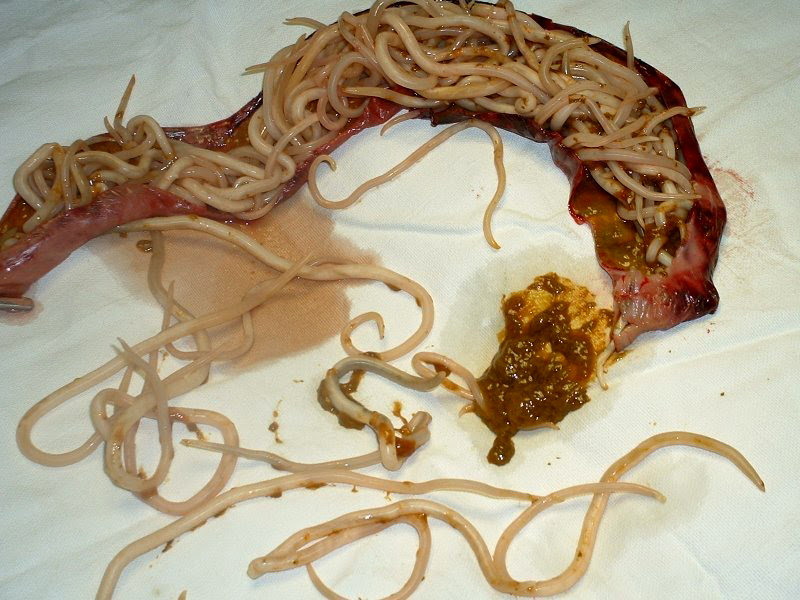
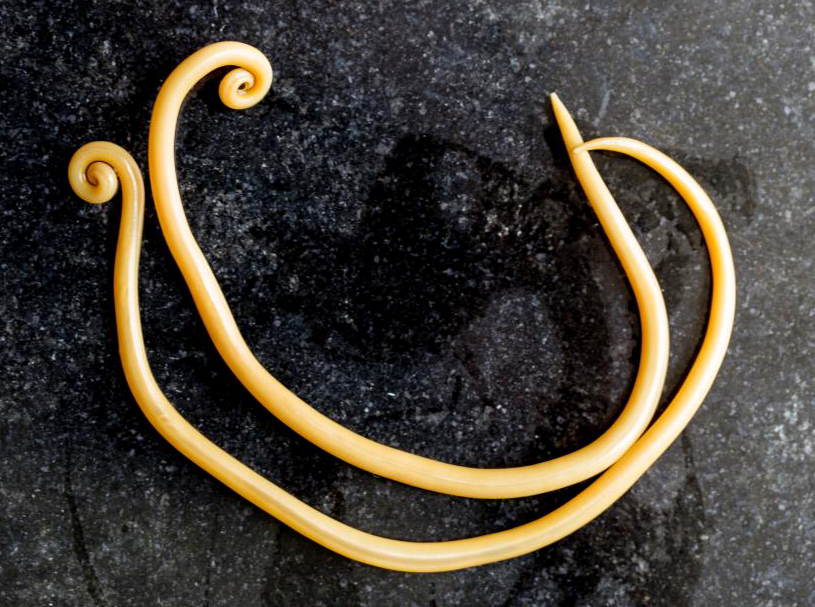
- Ankylostoma (hookworm)
- Ascarus lumbricoides
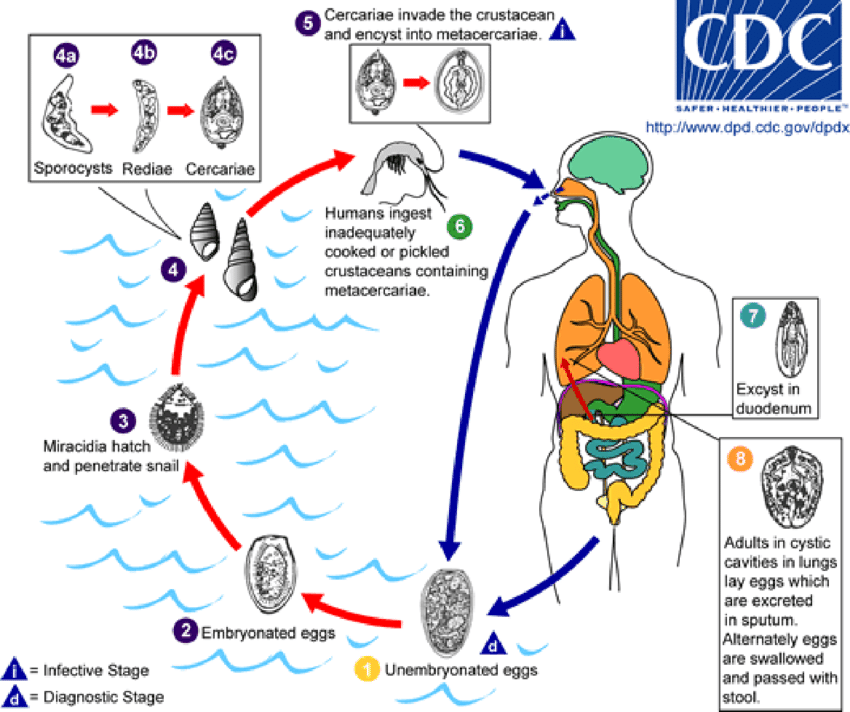
- Paragonimus westermani
- Schistosoma
- Strongyloides
- Taenia solium (tapeworm)
- Trichinella
- Trichuris trichiura
- etc
♦♦ Pokken of variola ♦
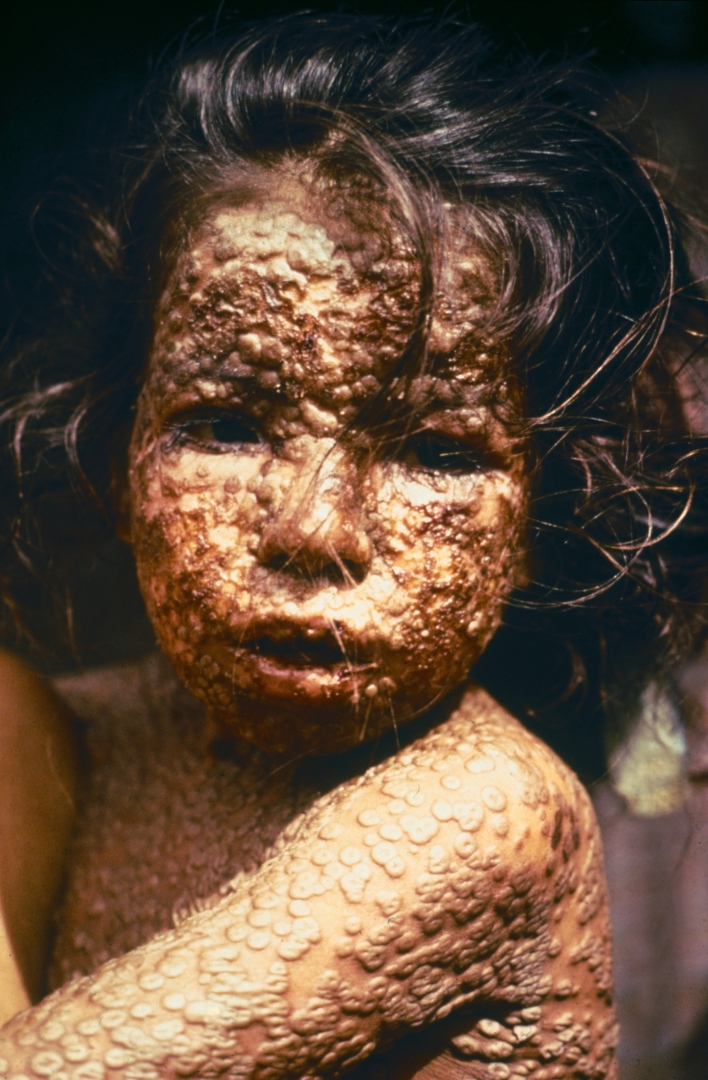
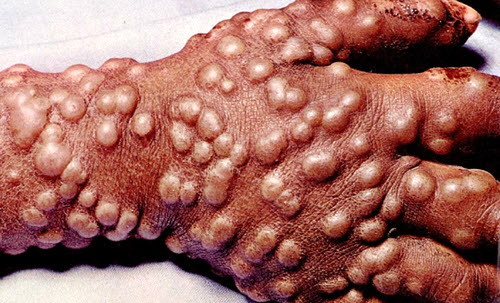
Smallpox, or variola, was a highly contagious and life-threatening viral disease that plagued humanity for centuries. For instance, over the past three thousand years, one in ten people died from the smallpox virus. Those who survived an epidemic often possessed sufficient immunity afterwards, but contact with new populations could be disastrous.
♦♦ Plague / Yersinia pestis / Black Death ♦
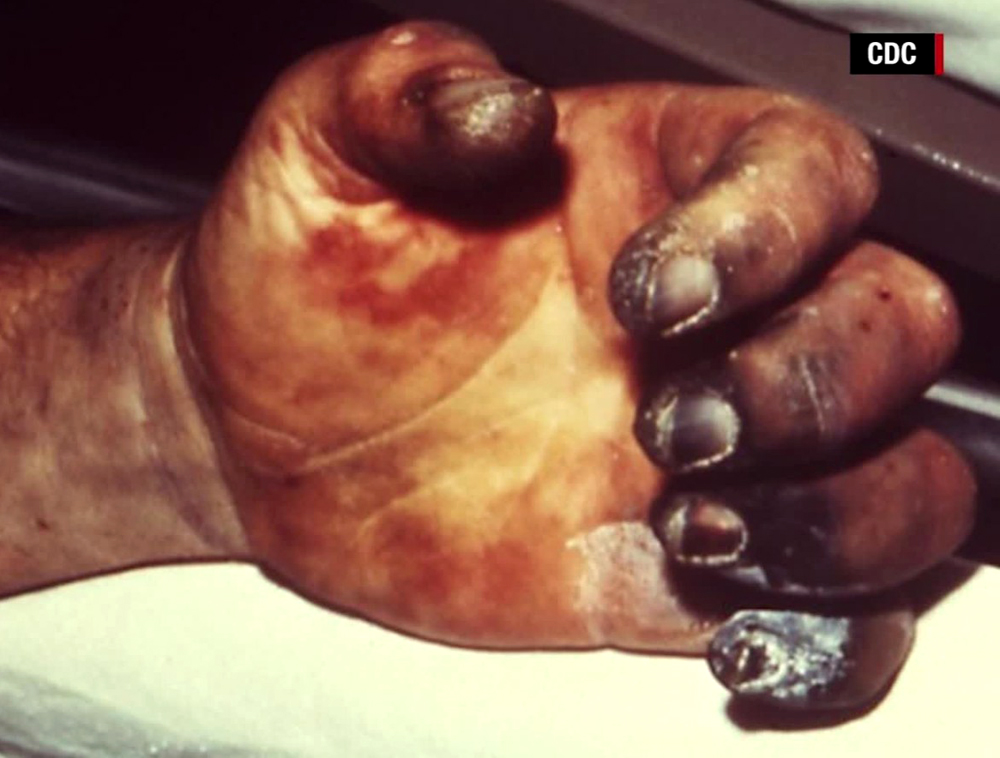
From 1347 onwards, a previously unknown disease spread across Europe. People developed high fevers, became confused, and grew large lumps in the groin, armpits, or neck. They also coughed up a lot of blood, and purple-black spots appeared in some places. No one knew where the Black Death, as the disease was called, came from or how it could be cured.
Until the seventeenth century, the disease continued to return in waves in Europe, but no remedy or cause had yet been found. Quacks took advantage of the situation and came up with all kinds of herbs that were supposed to dispel the evil vapors.
♦♦ Circumcision ♦
Male circumcision was found among many peoples on various continents. The oldest depiction of a circumcision dates from Egypt to around 2300 BC.
Within Judaism, circumcision symbolizes the covenant between God and the patriarch Abraham. Although Jesus of Nazareth was circumcised, circumcision has never found a place in Christianity.
Circumcision is not mentioned in the Quran; the practice of circumcision in Islam is attributed to the patriarch Abraham, who is considered one of the prophets within that religion.

Mummy at the doctor's
References
G-History & on physicians and medicine
2012-volume 3-no. 1
wikipedia
Photos
wikipedia
https://www.dailymail.co.uk/sciencetech/article-4824540/Mummy-autopsy-reveals-lump-liver-parasite-EGGS.html
https://www.lumc.nl/org/parasitologie/patient-en-zorg/Meerinformatieoverparasieten/Malaria/Wat-is-malaria/