
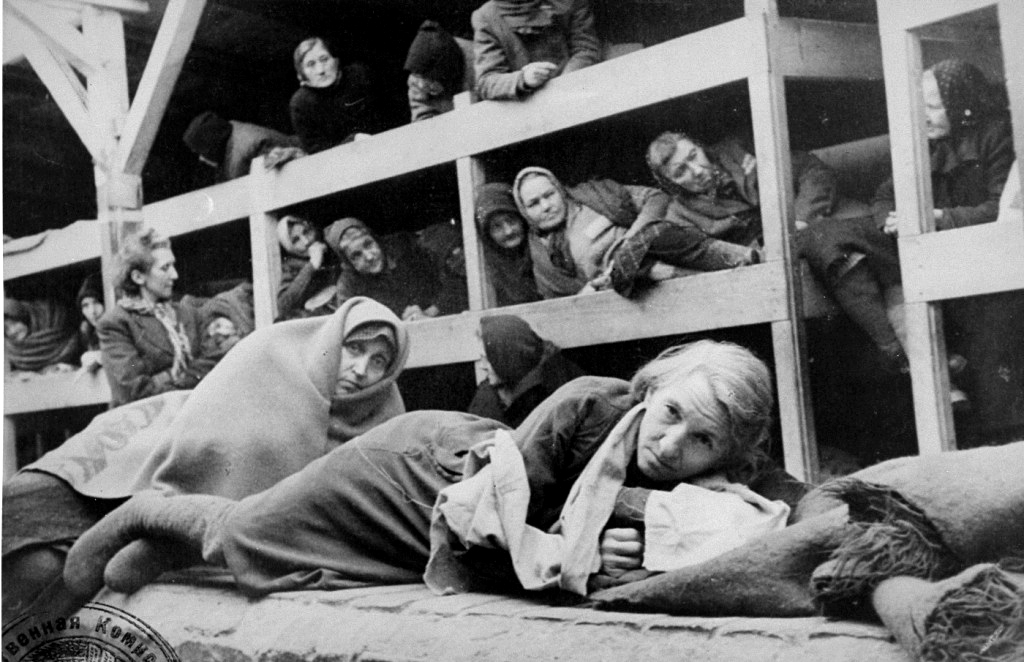
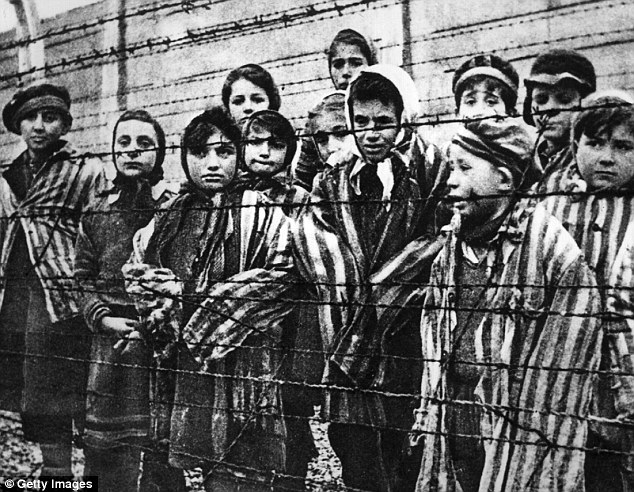
The female camp guards were every bit as ruthless as their male counterparts in the German concentration camps during the Second World War. Meet ‘the beautiful beast’ and seven other horrific torturers.
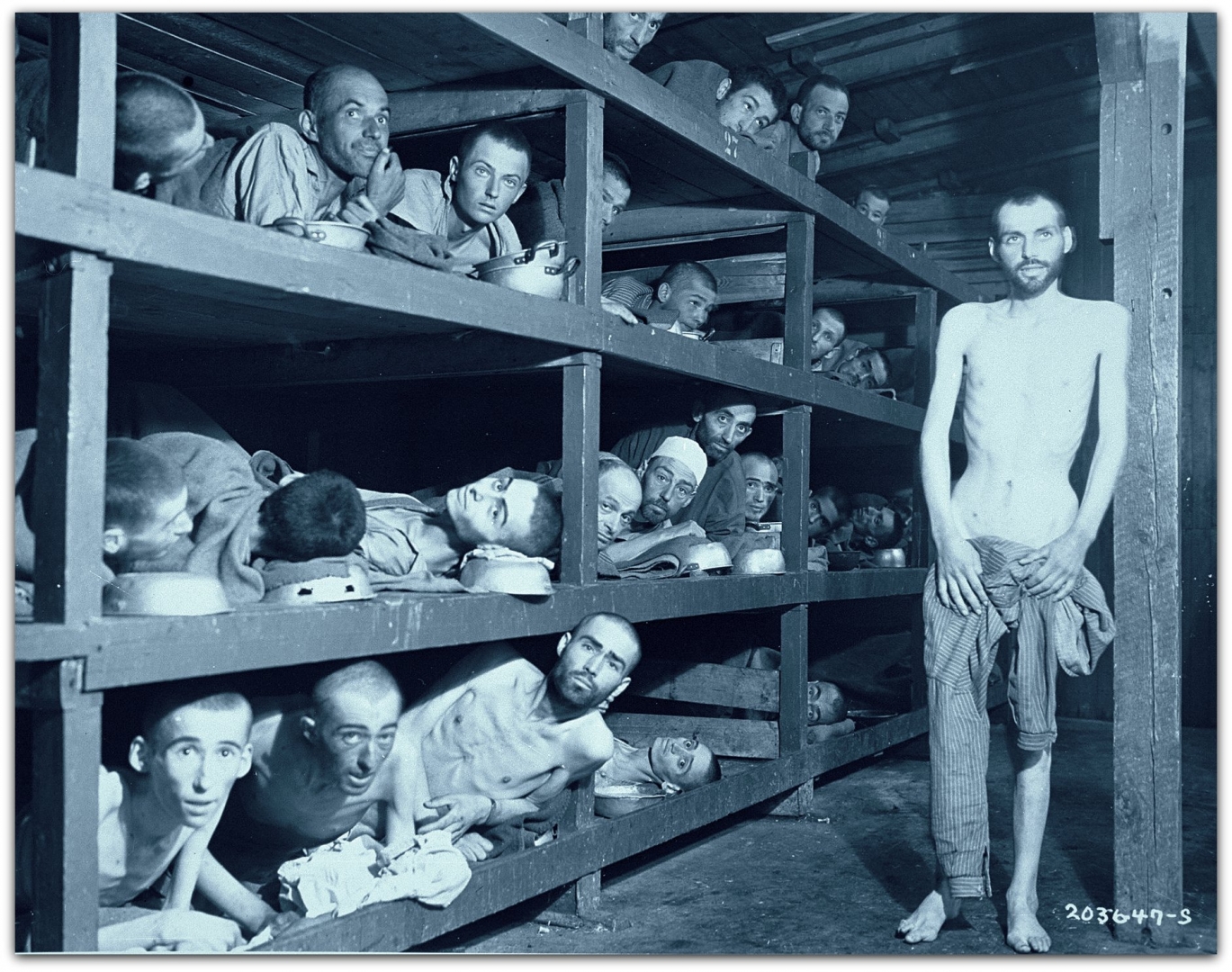
At least 21 women were hanged for atrocities committed in German concentration camps during the Second World War. The worst female camp guards were every bit as bad as their male counterparts. They singled out children for the gas chambers, killed prisoners with shovels or axes, or beat them to death. For some, beating and torturing prisoners gave them sexual pleasure.
In total, 55,000 people worked as guards in the camps, 3,700 of whom were women.
♦ The young executioner
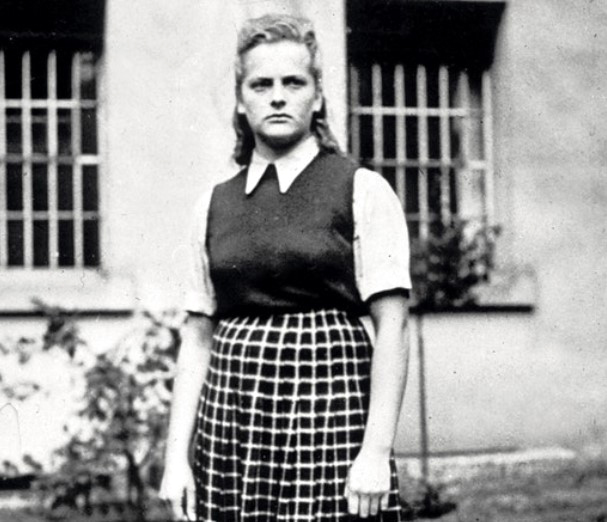
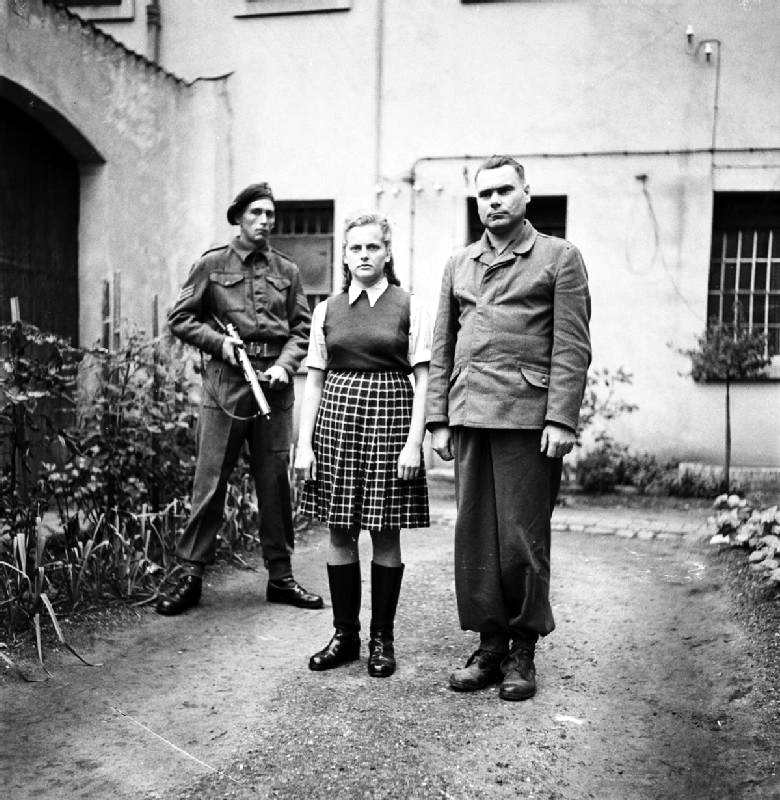
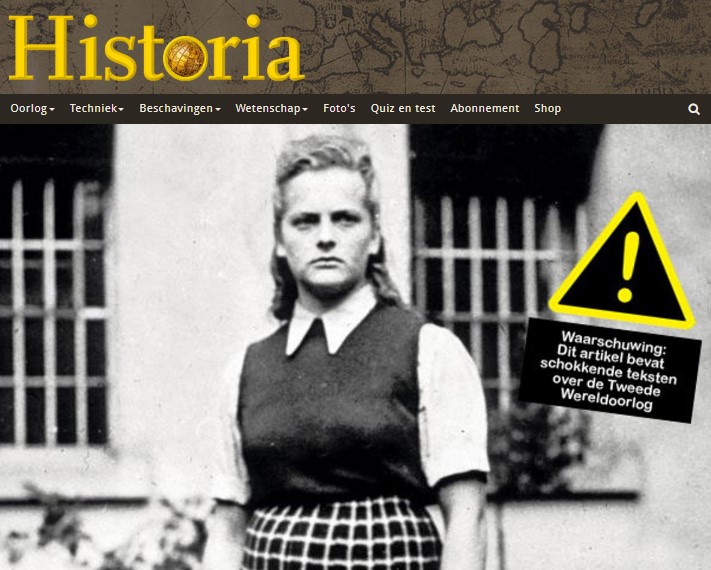
Irma Grese, ‘the beautiful beast’, was only 21 years old in 1945, but already held a high rank at Auschwitz-Birkenau. She was in charge of 30,000 women. She wore heavy, black boots, and, armed with a whip and a pistol, she ruled with an iron fist. Irma Grese shot prisoners at will or beat them to death.
According to eyewitnesses, the flogging of other women aroused Irma Grese sexually.
Camps: Ravensbrück, Bergen-Belsen, Auschwitz-Birkenau.
Fate: Hanged in 1945.
♦ The musical murderer
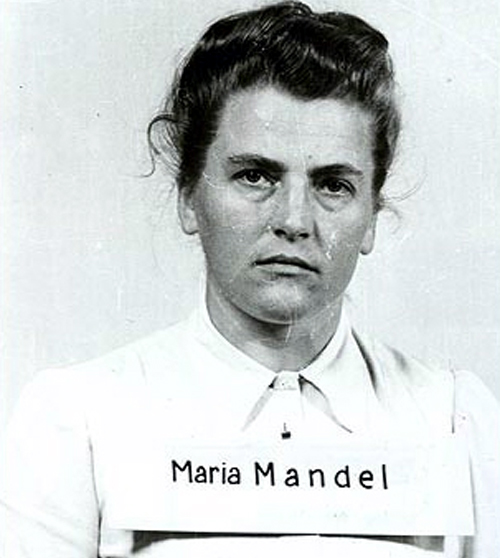
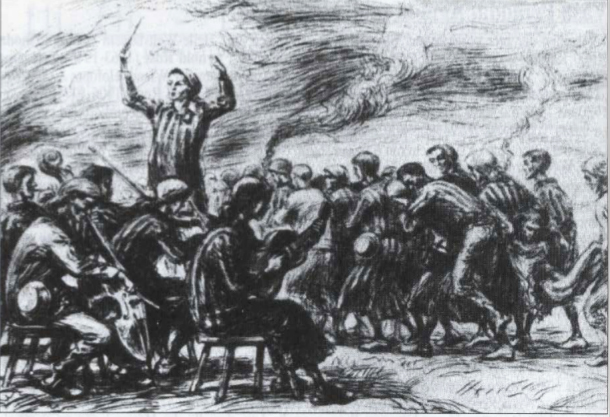
Maria Mandel became the women’s commandant at Auschwitz-Birkenau in 1942 and sent 500,000 women to their deaths. Mandel was passionate about classical music and was the driving force behind the women’s orchestra at Auschwitz, which played whilst the prisoners were being taken to the gas chambers after their arrival.
Camps: Lichtenberg, Ravensbrück, Auschwitz-Birkenau, Dachau.
Fate: Hanged in 1948.
♦ The past caught up with the sadist
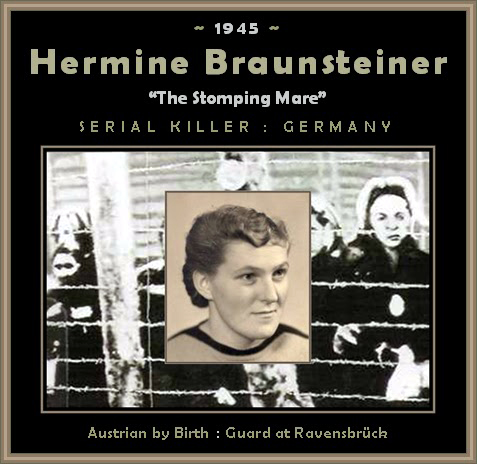
Hermine Braunsteiner, the ‘kicking mare’, had a horrific reputation at Majdanek concentration camp, where she beat prisoners to death and kicked them. After the war, she spent a short time in prison, but she was never prosecuted for her worst crimes. She became a housewife in New York, but her past caught up with her. Survivors reported Braunsteiner to Nazi hunter Simon Wiesenthal. His team tracked her down and, in 1973, the US extradited her to Germany.
Camps: Ravensbrück, Majdanek.
Fate: Sentenced to life imprisonment. Died in 1999, shortly after her release.
♦ Murder and Romance
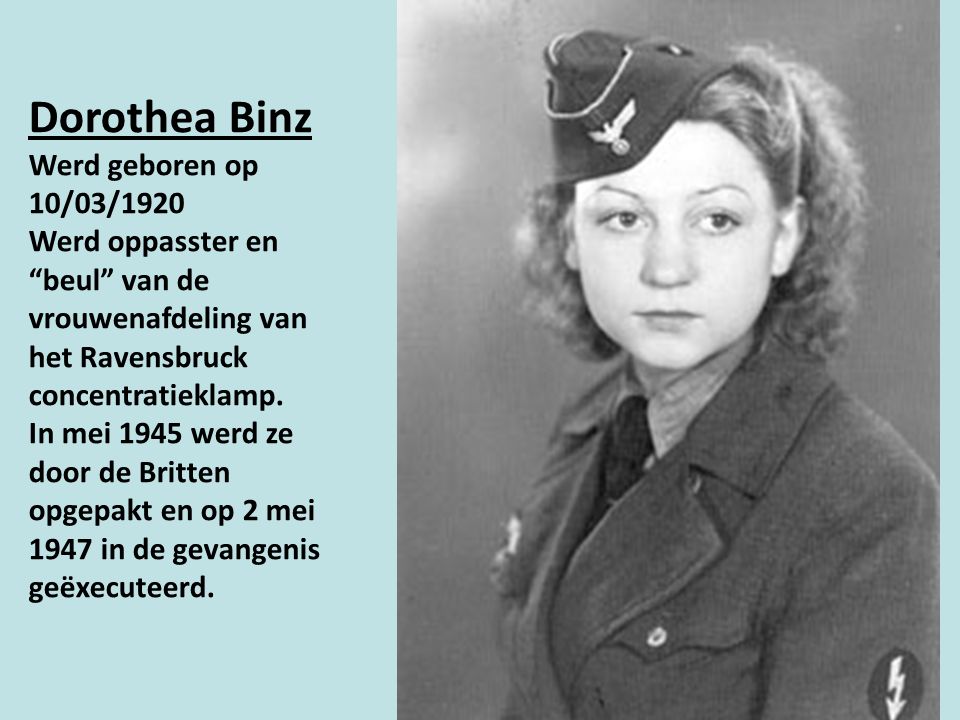
Dorothea Binz always instilled a fearful silence whenever she walked through the Ravensbrück camp. Any prisoner who so much as looked at her ran the risk of being shot or beaten. Dorothea Binz was in a relationship with an SS officer at the camp. It is said that the couple would go for romantic walks through Ravensbrück. They would watch as women were beaten and then carry on walking, laughing. A witness reported that Binz once beat a prisoner to death with an axe because she was not chopping firewood quickly enough.
Camps: Ravensbrück.
Fate: Hanged in 1947.
♦ Lamps made from human skin
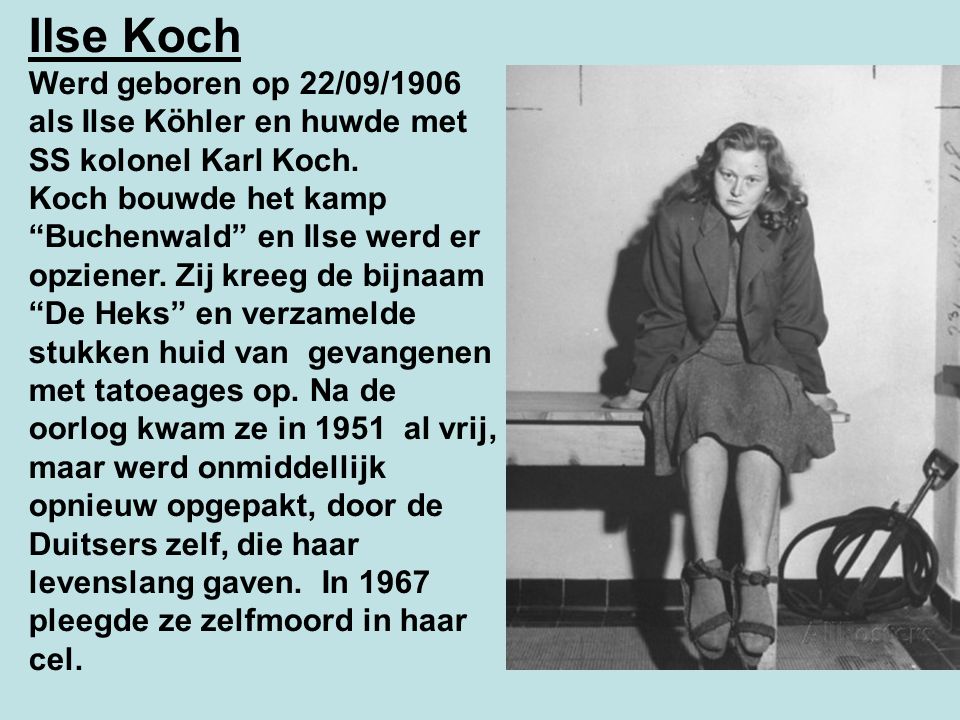
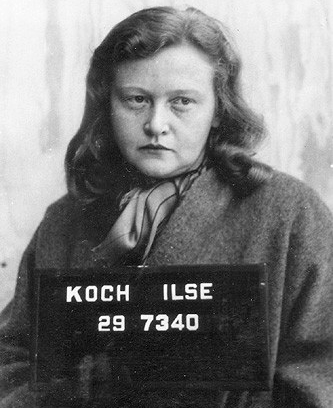
Ilse Koch – ‘the witch of Buchenwald’ – struck terror into the hearts of prisoners as she rode through the camp on horseback, whipping them. She was married to camp commander Karl Koch and collected lampshades made from the tattooed skin of executed prisoners. She is said to have personally singled out prisoners with attractive tattoos for execution.
Ilse Koch enjoyed forcing prisoners to rape one another whilst she watched.
Shortly before the end of the war, Karl Koch was executed for embezzling SS funds. Ilse Koch was acquitted in that case.
Camps: Buchenwald, Majdanek.
Fate: Sentenced to life imprisonment. Committed suicide in 1967.
♦ She confessed to mass murder
Ruth Closius was born in 1920 in the Nazi stronghold of Breslau (Wrocław). As an SS guard, she quickly rose through the ranks at Ravensbrück concentration camp, where she stood out for her efficiency. Closius became a barracks leader at the neighbouring Uckermack camp and sent thousands of women and children to the gas chambers. Unlike many camp guards, she confessed to all her crimes after the war. Closius told the court that, on her arrival, there were 4,000 people at Uckermack. Six weeks later, there were only 1,000 left. The rest had been gassed with Zyklon B.
Camps: Ravensbrück, Uckermack.
Fate: Hanged in 1948.
♦ Woman with dogs
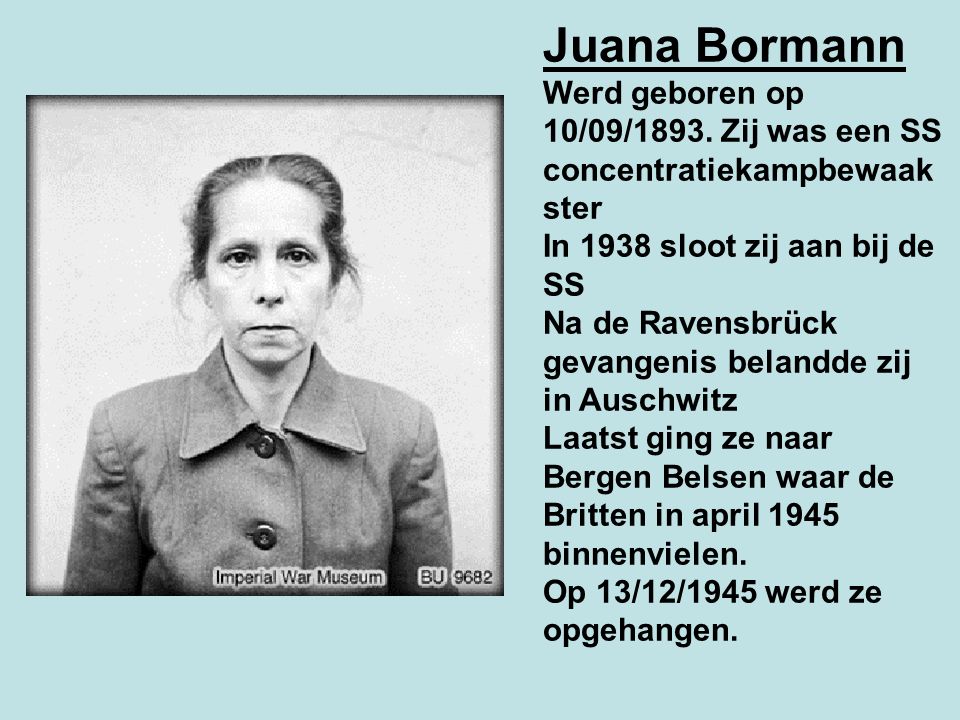
Juana Bormann became known in Lichtenberg camp as ‘the woman with the dogs’, because she set dogs on the prisoners. Bormann was only 1 metre 50 tall, but often demonstrated that she was strong enough to beat prisoners to death.
Camps: Lichtenberg, Ravensbrück, Auschwitz-Birkenau, Bergen-Belsen.
Fate: Hanged in 1945.
♦ Stripped naked in the cold
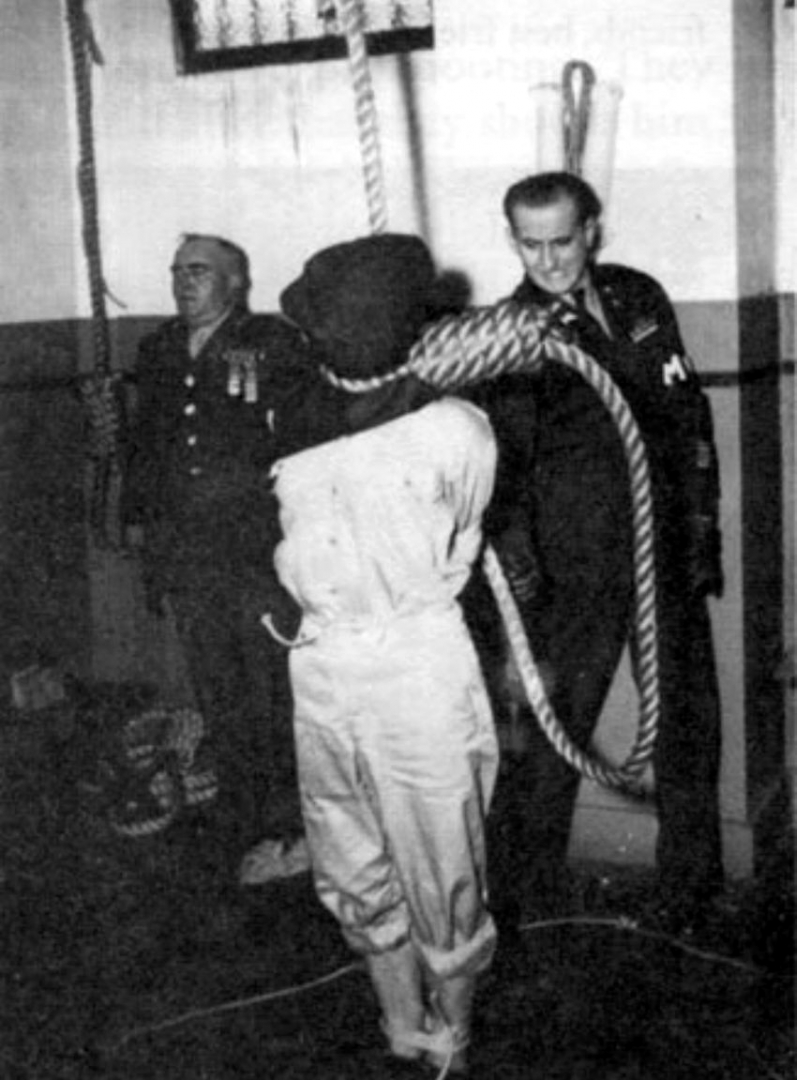
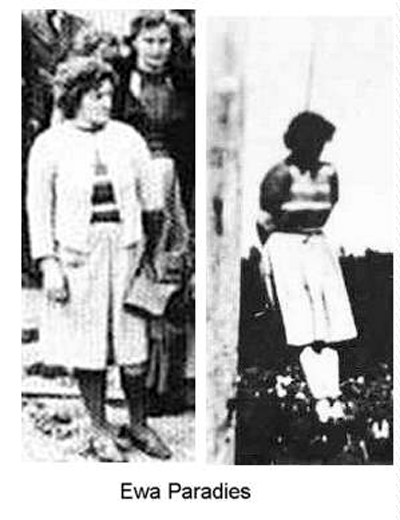
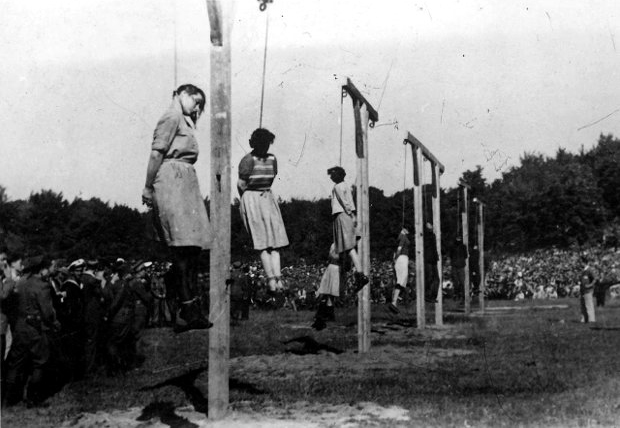
Ewa Paradies only became an SS guard in the summer of 1944, but quickly made a name for herself as a notorious and feared figure at the Stutthof camp in Poland. Stutthof was located near her hometown of Lauenberg, where she was arrested in May 1945 by a Polish unit of the Red Army and brought to trial. A witness described how Ewa Paradies forced a group of women to undress in the snow, after which she poured ice-cold water over them. Paradies (pictured with the noose round her neck) was hanged near Danzig amid great public interest.
Camps: Stutthof.
Fate: Hanged in 1946.
Source: Historia
By: Esben Sylvest