

Hysterica went on a piglrimage
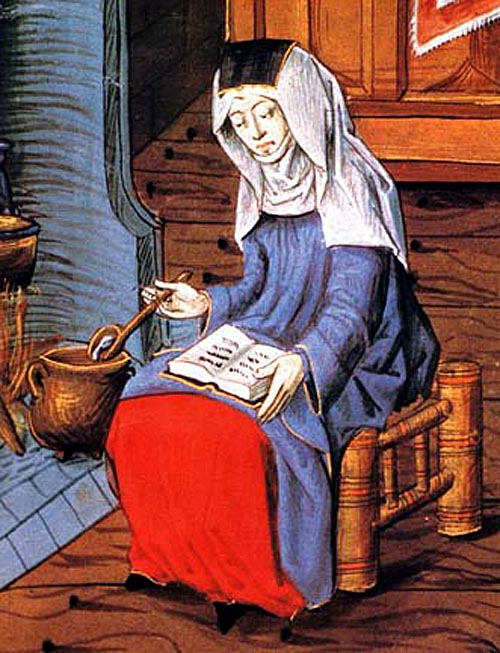
Margery Kempe used to chase after the boys, often burst into tears and dreamt of becoming a saint. In 1438, she wrote an autobiography which, 500 years later, turned our view of the Middle Ages on its head.
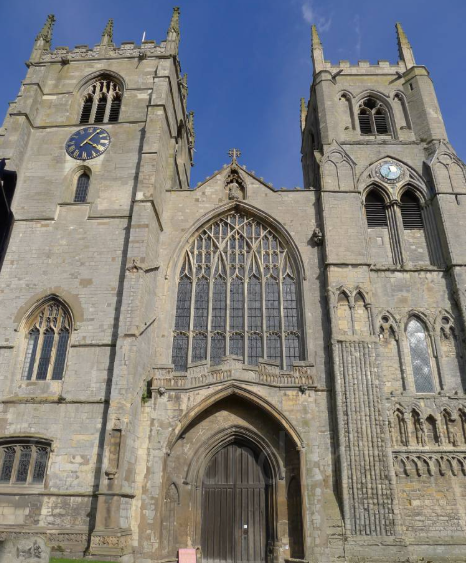
Margery Kempe caused a stir in her village of Bishop’s Lynn in 15th-century England. Although a married woman with 14 children, she insisted on wearing the colour white, which was reserved for nuns and virgins. She also experienced intense religious visions that led her to leave her husband and set out on a pilgrimage to Jerusalem, Spain and Norway. She hoped that in this way her heart’s desire would be fulfilled: to be canonised.
When Margery was in her early 60s, she decided to write down her life story.
This autobiography is probably the first to have been published in English. She never achieved sainthood, but *The Book of Margery Kempe* was to become one of the most important historical sources on life in the Middle Ages.
♦ A vain girl
As a child, Margery was mad about clothes and fashion, and she loved to stand out: “My neighbours were jealous and wished they were as well-dressed as I was,” she would later admit, rather immodestly, in her autobiography.
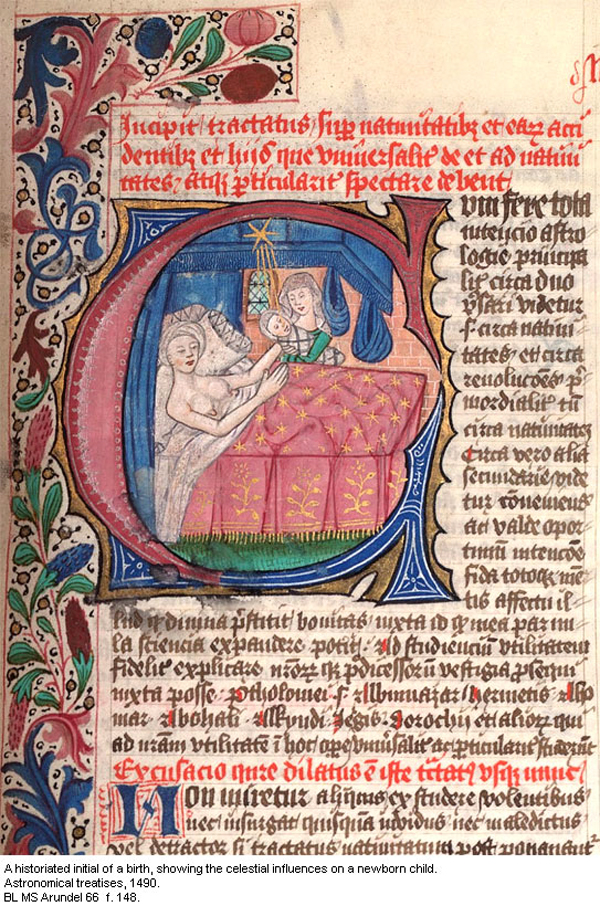
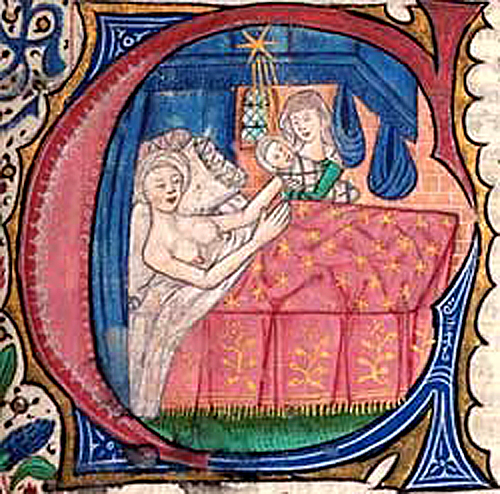
When Margery had her first child at the age of twenty, her life took an unexpected turn. Margery saw the long, painful labour as a foretaste of hell.
A place she was terrified of.
She sought advice from a priest, but he did not take her seriously. Margery lost her mind and her husband, John Kempe, was forced to lock his young wife away in the storeroom.
She remained in that storeroom for as long as eight months, until Jesus appeared to her. She wrote about this in her book: “Why have you forsaken me, when I have not forsaken you?”, He asked.
♦ The religious vocation
Now that she had seen Jesus, Margery was no longer afraid. At first, she simply wanted to return to her self-centred way of life. However, when John Kempe was unwilling to fund her extravagant lifestyle, she decided to earn her own money.
‘I didn’t want to be reprimanded and, unlike my husband, I was never satisfied with what God gave me. I always wanted more,’ she writes. She took her first steps on the path to becoming a businesswoman with a brewery, which grew to become the largest in Bishop’s Lynn. But the business went bankrupt.
After this fiasco, she tried her hand at being a miller. Two horses turned the millstone, and she took on a farmhand to do the practical work.
One evening, first one horse and then the other refused to work. The farmhand saw this as a sign from God and resigned. He thought Margery was a wicked, vain woman – and Margery realised he was right. After another religious revelation, she found a new purpose in life: to become a saint. The first step in that direction was chastity.
But John Kempe was not keen on giving up his rights as a husband, and that meant the children kept coming.
It was only after the death of Margery’s father, a successful businessman and former mayor, that she was able to negotiate with her husband. He was, in fact, heavily in debt, and Margery would be released from her marital duties if she paid off the debt using her inheritance. The two went their separate ways, and Margery was able to follow her calling.
Although she had resolved to live a pious life, the vow of chastity weighed heavily on Margery. She even once tried to seduce a young man near the church. However, this attempt failed, as she candidly recounts in her autobiography. The man said he would rather be cut to pieces and boiled than have anything to do with her, and he ran off.
In her book, Margery describes how she discussed the incident with God. He explained that she had to sin so that she would have something to do penance for.
♦ Margery’s first journey
Margery was 40 years old when she undertook her first pilgrimage, which took her to Jerusalem. There, atop Golgotha, where Jesus died on the cross, she had her first hysterical fit of weeping. The people who witnessed this violent outburst of tears and wailing were shocked.
Some said I was ill. Others that I was possessed. Still others that I was drunk. Some wanted to banish me or wished I were lying at the bottom of the sea in the harbour. There were those who wished I would set out to sea in a bottomless boat, she recounts in her autobiography.
She wept so often and so bitterly that Margery was an irritating travelling companion. It didn’t help that she wanted to talk of nothing but religion and was constantly pointing out the other pilgrims’ sins. These were reasons enough for her travelling companions to send her on her way; she had to undertake large parts of her pilgrimages on her own.
Margery undertook two more major pilgrimages, one to Santiago de Compostela in Spain and one to the Norwegian St Brigid’s Convent. Margery admired St Brigid (1303–1373), who, like her, had married and had eight children before setting out on a pilgrimage following a religious experience.
♦ Accused of heresy
Because of her bouts of weeping and her white clothing, the Catholic Inquisition accused Margery of heresy. She was interrogated by the Bishop of York, but during the interrogation she suddenly burst into tears. When the bishop asked why she was weeping so, Margery replied: “One day you will wish that you yourself had wept as I have.” Those present were shocked that an ordinary woman should speak to the bishop in such a manner, but Margery Kempe was acquitted and continued to wear white.
When Margery was in her early 60s, God told her it was time to take things easy. In 1438, Margery, who was illiterate, hired two clerks to write her biography. Through her book, Margery hoped to be canonised by the Catholic Church, but she did not succeed. She is, however, honoured by the Church of England. The biography secured her a place in the history books. The manuscript, discovered in 1912, radically changed our understanding of women’s lives in the 15th century and remains an important medieval source.
♦ Postpartum psychosis led to religious visions
Contemporary researchers interpret Margery Kempe’s behaviour as a mental illness. Given that her visions began after the birth of her first child, she probably suffered from postpartum psychosis.
However, this sort of behaviour among women was not uncommon in the Middle Ages; women who experienced visions often chose to lead an extreme, religious way of life. For example, Margery’s contemporary, Juliana of Norwich, had herself walled up in a small chamber behind the altar in a church. Through a small slit, she was still able to breathe and receive food.
Catherine of Siena fasted until she was so emaciated that she died of a heart attack in 1380 at the age of 33. Mary of Oignies, who died in 1213, had, like Margery, the ‘gift of tears’ and would burst into hysterical sobs whenever she saw a cross or even merely thought of the suffering of Jesus.
♦ Juliana of Norwich
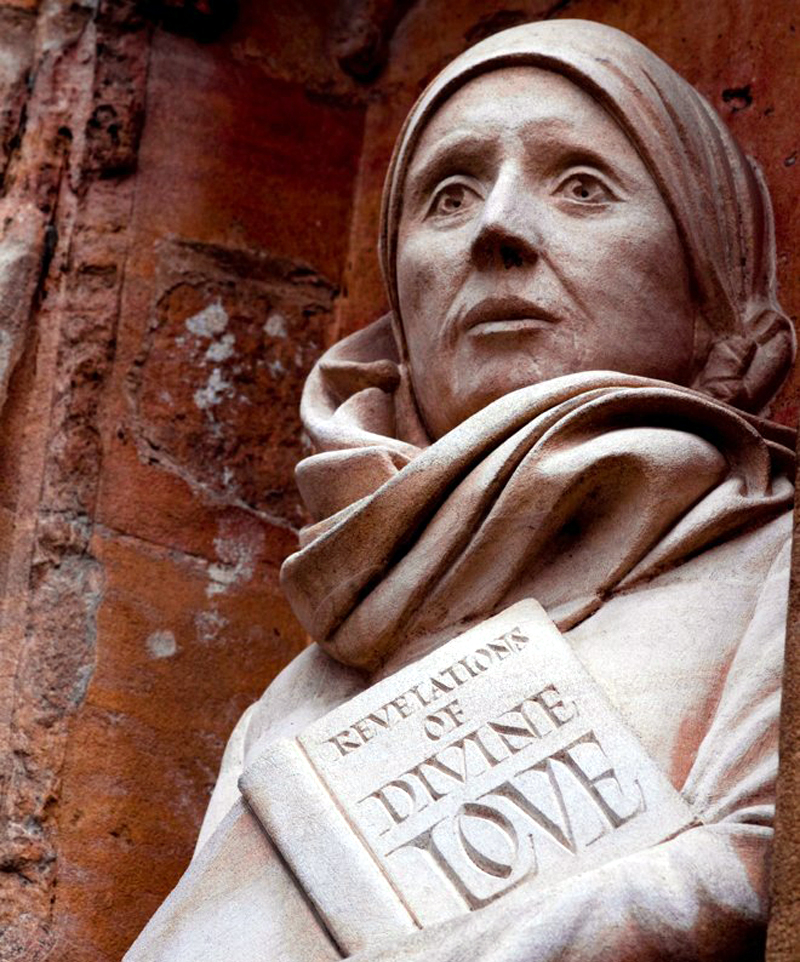
(c. 1342 – c. 1416) was an English mystic and the author of *Sixteen Revelations of Divine Love*, which is regarded as the first Middle English book written by a woman.
Her name is associated with the Church of St Julian in Norwich, where she spent her life in prayer and contemplation as a hermit in a cell attached to the church.
At the age of 30, she fell seriously ill and, convinced that she would soon die, she had fifteen visions of Christ. According to her writings, these visions took place on 8 May 1373 and lasted five hours. A sixteenth vision followed a day later.
She described the visions shortly after they had taken place and again 20 years later, with greater theological depth. Her conclusion was that divine love was the solution to all the problems of human existence.
This made her a well-known spiritual authority in England, and she was visited by, amongst others, the English mystic Margery Kempe.
Source: Historia