
.jpg)
.jpg)
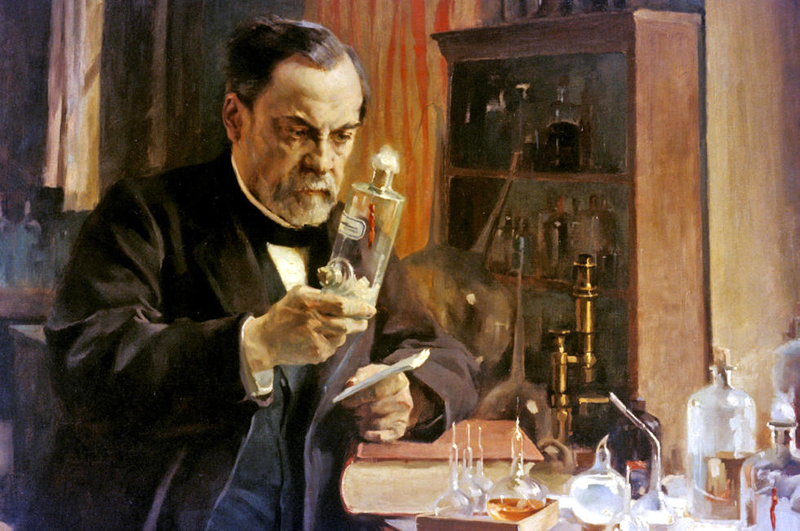
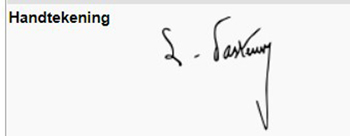
Louis Pasteur (27 December 1822, Dole – 28 September 1895, Saint-Cloud) was a French chemist and biologist, best known for the pasteurisation process named after him and for his discovery of the rabies vaccine.
♦ Early life and education
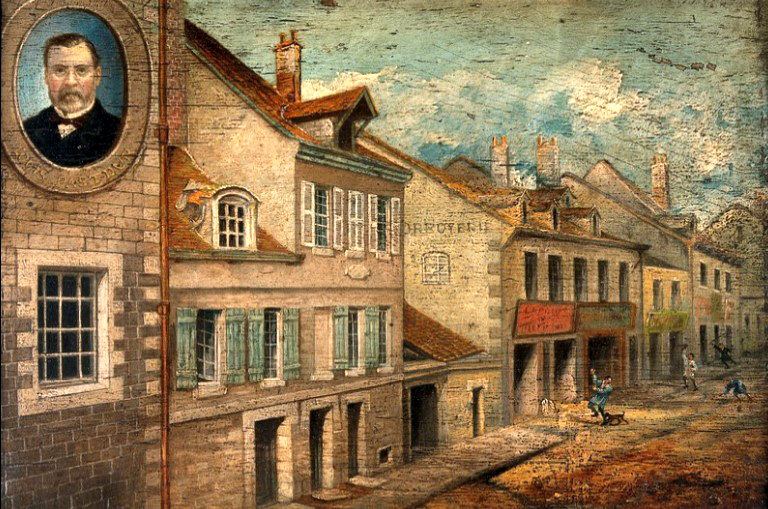
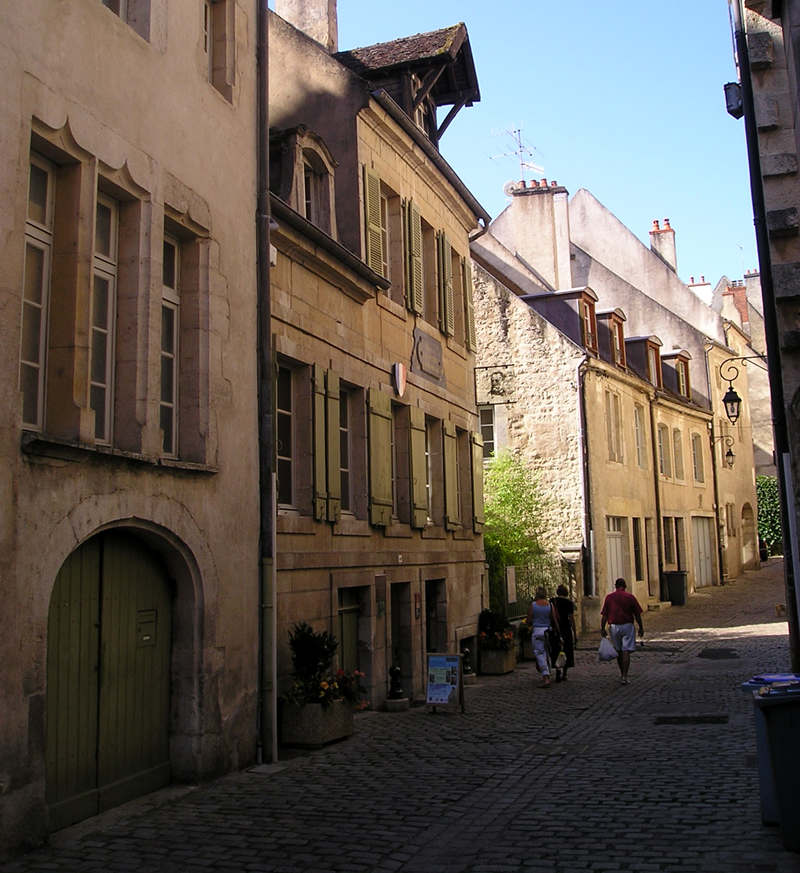
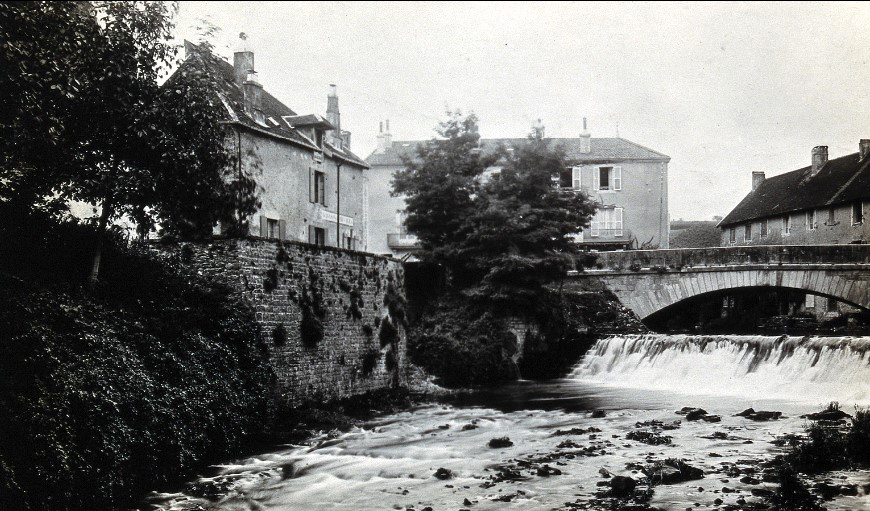
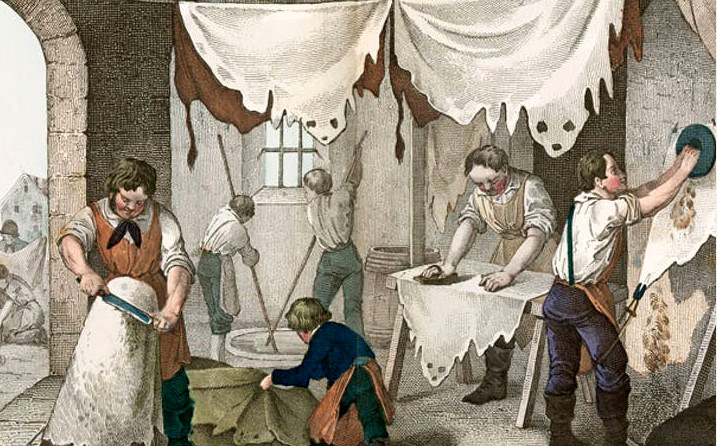
Louis Pasteur was born in Dole, the third child of Jean-Joseph Pasteur and Jeanne-Étienne Roqui. His father was a tanner by trade.
Pasteur studied chemistry and biology.
♦ Scientific career
Began in 1848 with research into tartaric acid crystals. The government had asked for his assistance in resolving problems in the wine-making industry. The wine was turning sour quickly, and Pasteur discovered that this was caused by a microorganism, such as Acetobacter. This bacterium converted sugars into acid, causing the wine to sour and severely limiting its shelf life.
His advice for solving this problem was: heat the wine for a certain period of time to a certain temperature; this kills the Acetobacter and the wine will no longer turn sour.
• This was called pasteurisation.
It is the process by which harmful microbes in perishable food products are destroyed by briefly heating the food product, without damaging it.
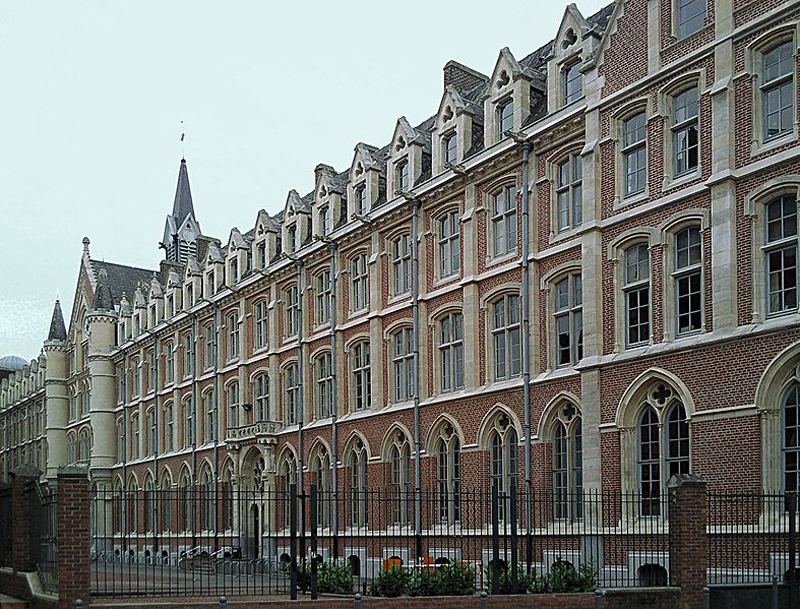
• In 1854, he was appointed professor of chemistry at the University of Lille, until he
• became director of natural science research at the École Normale in Paris in 1857.
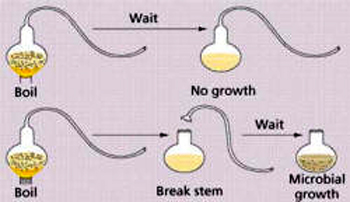
Through other experiments, Pasteur demonstrated that the spoilage of cooked, sterile foodstuffs was caused by bacteria present in the air, and not by bacteria that arose spontaneously within the food.
• For this, he used a flask with a swan-neck. He filled this flask with contaminated water – for example, yeast water, pepper water, sugar beet juice or urine – and, holding it over a flame, he drew out the neck into a thin tube bent in several places, known as a swan-neck.
• The contents were then boiled and allowed to cool. They remained clear for several months, regardless of what was done with the flask or where it was placed.
• If he broke off the neck, the contents would become cloudy within 24 to 48 hours, and Pasteur was able to detect microorganisms. He concluded that the microorganisms had been destroyed by boiling and that, after breaking off the swan’s neck, other microorganisms from the air had entered the flask through the direct connection with the outside air.
► He believed that he had thereby refuted once and for all the centuries-old doctrine of spontaneous generation, namely that life can arise from dead matter. “GENERATIO SPONTANEA”
♦ An extract from Pasteur’s Diary
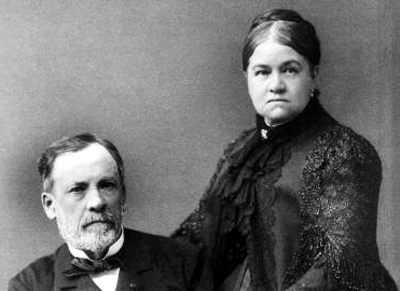
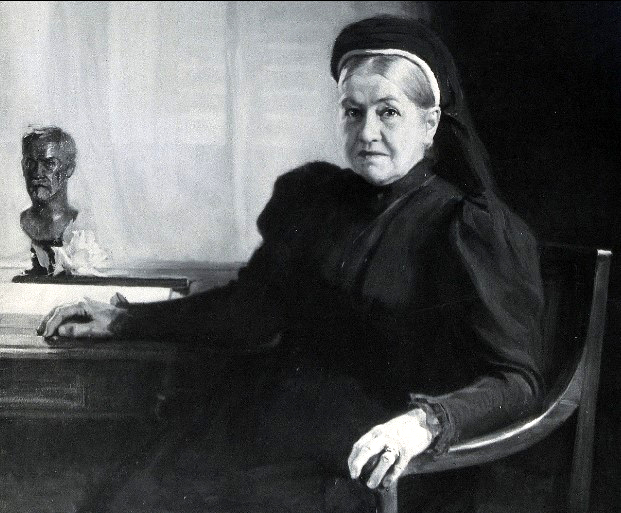
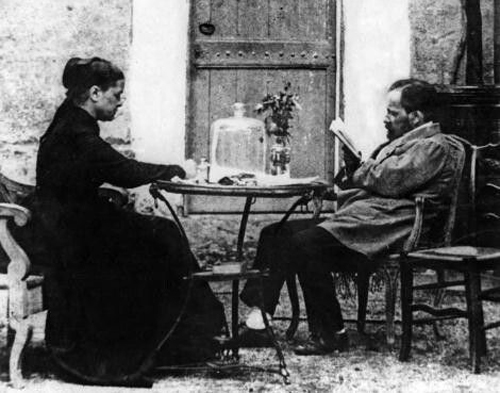
"[…] I am on the verge of unravelling secrets, and the veil that shrouds them is growing ever thinner. The nights are too long for me, but I do not complain. Preparing my lectures is no trouble at all, and I am often able to devote myself entirely to laboratory work five days a week. Madame Pasteur often reprimands me, but I reassure her by saying that I shall lead her to fame.”
♦ Microbes
He developed a theory that the cause of many diseases… was a tiny living organism… a ‘micro-organism’.
1_His ‘germ theory’ or ‘microbe theory’
2_is one of the most important discoveries in the history of medicine.
His simple theory would shake the world of medicine to its core and usher in a new way of practising medicine:
3_Aseptic surgery. For example, he was the first to insist that a surgeon should clean and sterilise all his instruments over a flame.
Pasteur went on to prove that these were living organisms – microbes – which were transmitted from sick to healthy animals. He discovered the cause of many microbe-induced diseases and developed treatments for them.
His ‘microbe theory’, one of the most important discoveries in the history of medicine, led to hospitals adopting the practice on a massive scale of
4_sterilising their instruments and dressings.
♦ Virus vaccine
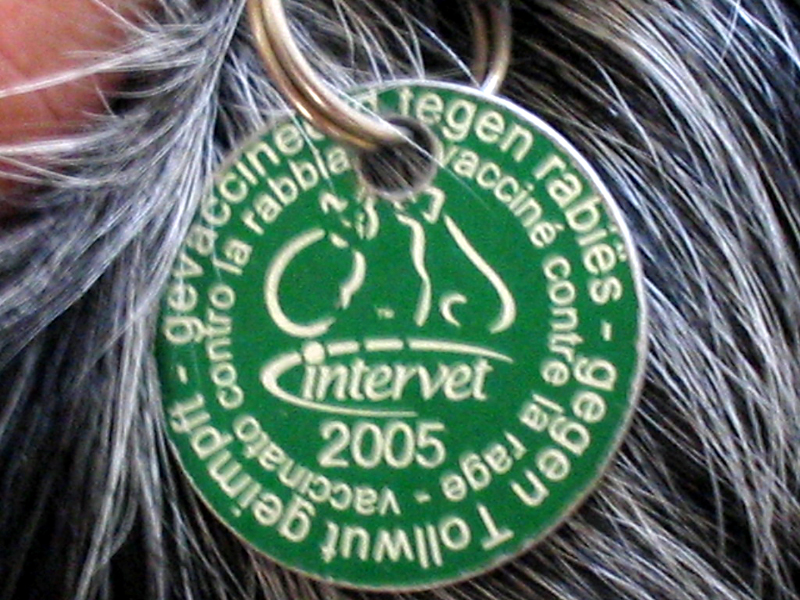
Pasteur developed a virus vaccine against
• rabies.
He succeeded in immunising a dog through a series of carefully administered injections.
♦ Joey Meister
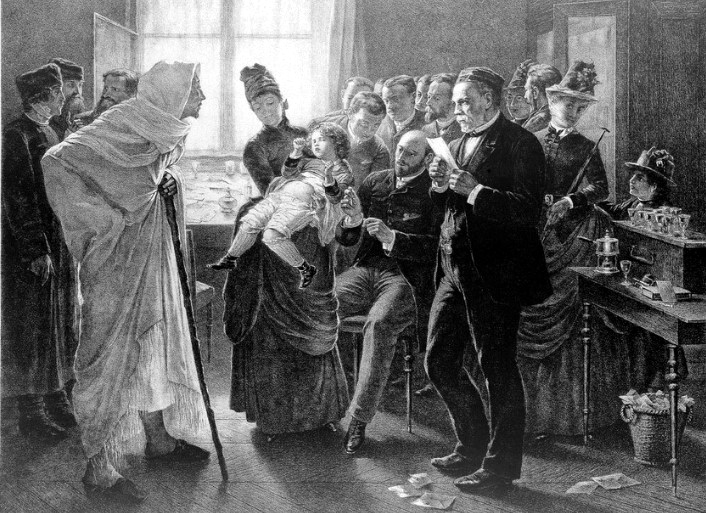
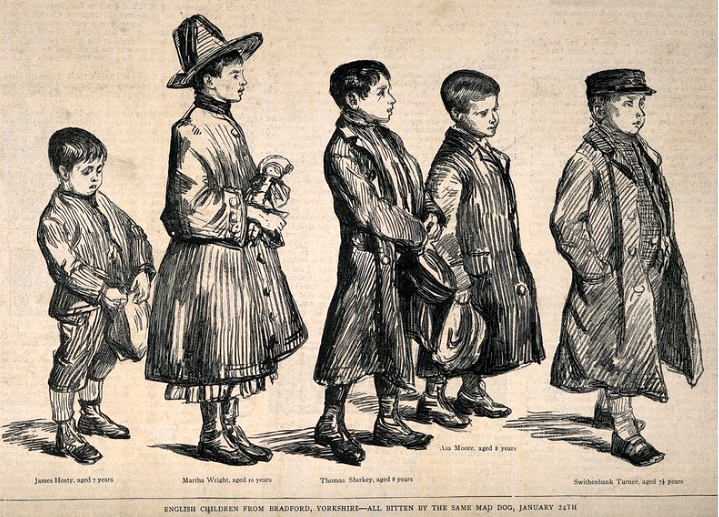
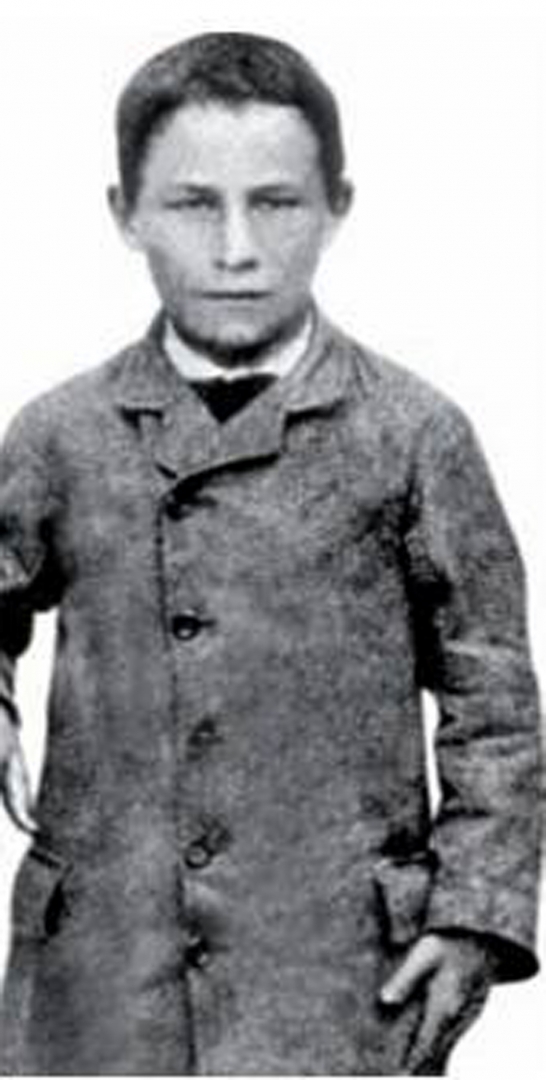
On 8 July 1885, 9-year-old Joey Meister from Alsace, who had been bitten by a rabid dog two days earlier, was brought to Pasteur.
Pasteur began administering the vaccinations he had developed – a virus vaccine – which was a personal risk for him, as he was not a qualified doctor. For weeks on end, he did not leave the young patient’s bedside for a moment, day or night, whilst the child lay flushed crimson with fever. And the child recovered. It caused a sensation. Pasteur had conquered rabies.
He was a hero.
♦ Death
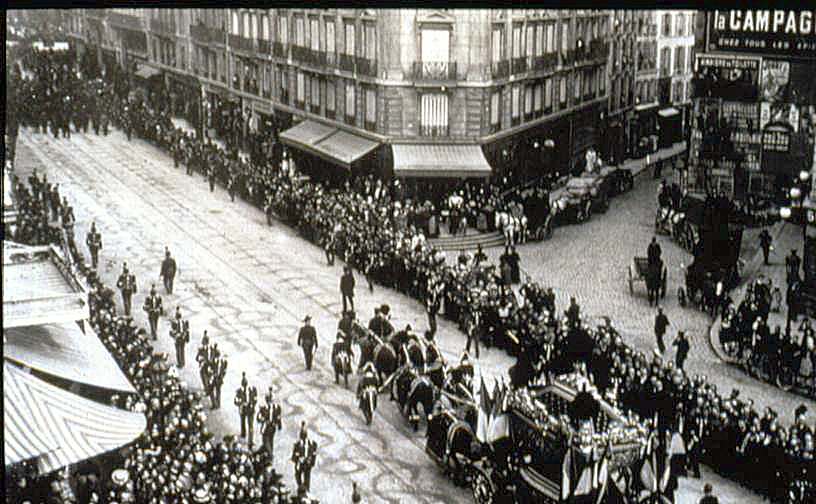
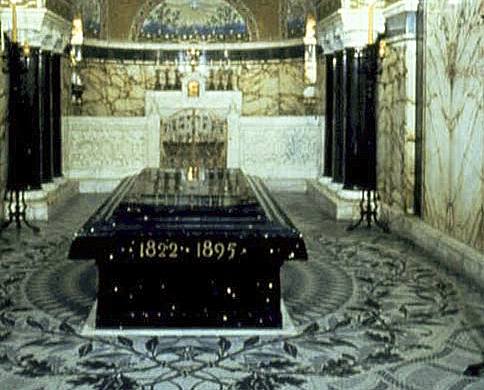
Louis Pasteur died in 1895 at the age of 72. He was buried in Notre-Dame Cathedral in Paris, but his body was moved fairly soon afterwards to a crypt at the Pasteur Institute in Paris.
♦ Joseph Meister
The first boy to be given the vaccine went on to work as a porter at the Pasteur Institute.
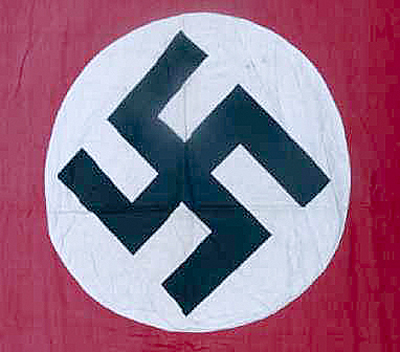
In 1940, 45 years after his vaccination, he was ordered by the NAZIS to open Pasteur’s grave / crypt. He refused (as he regarded this as sacrilege, given that Pasteur was his hero) and committed suicide
In een tragische voetnoot bij de geschiedenis keerde Joseph Meister, de eerste persoon die in het openbaar het rabiësvaccin kreeg toegediend, terug naar het Pasteur-instituut als medewerker, waar hij vele jaren als poortwachter werkte. In 1940, 45 jaar na zijn behandeling tegen rabiës die medische geschiedenis schreef, kreeg hij van de Duitse bezetters van Parijs het bevel om de crypte van Pasteur te openen. In plaats van hieraan gehoor te geven, pleegde Joseph Meister zelfmoord!