
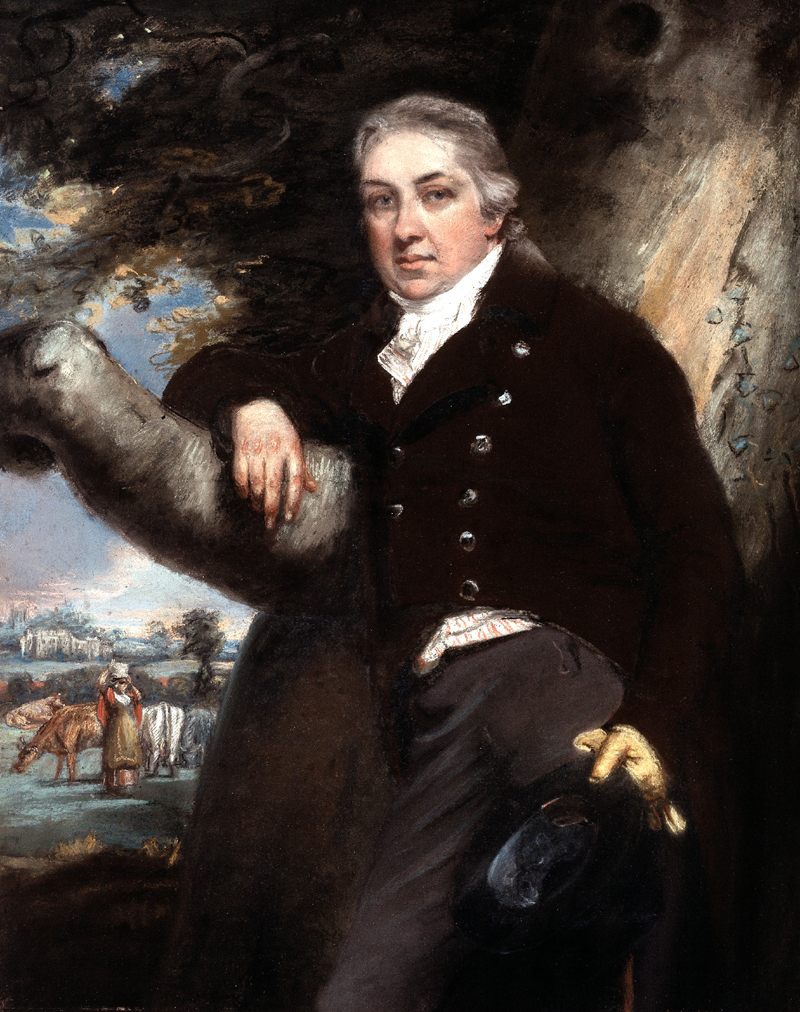
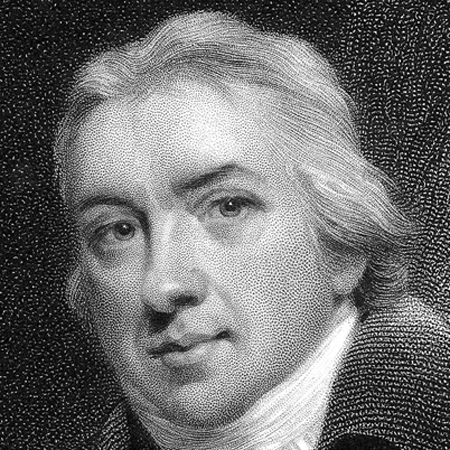
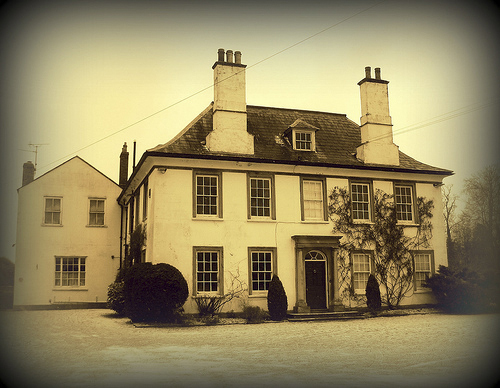
Edward Jenner (17 May 1749 – 26 January 1823) was an English physician and the developer of the smallpox vaccine derived from cowpox.
♦ Early life
Edward Jenner was born in Berkeley, Gloucestershire, the eighth of nine children of the local vicar, Stephen Jenner, and his wife Sarah. When Edward was five years old, his parents died and he was brought up by his eldest sister. From an early age, Edward took a keen interest in nature.
♦ Education
He attended school in Wotton-under-Edge and Cirencester. At the age of fourteen, he became an apprentice to Daniel Ludlow, the doctor in Chipping Sodbury, and over the course of seven years he gained the experience necessary to establish himself as a doctor. In 1770, he left for St George’s Hospital in London to complete his training under John Hunter. Hunter soon recognised that Jenner was a gifted pupil; they would remain friends for the rest of their lives. In 1772, Jenner returned to Berkeley to set up practice there as a doctor.
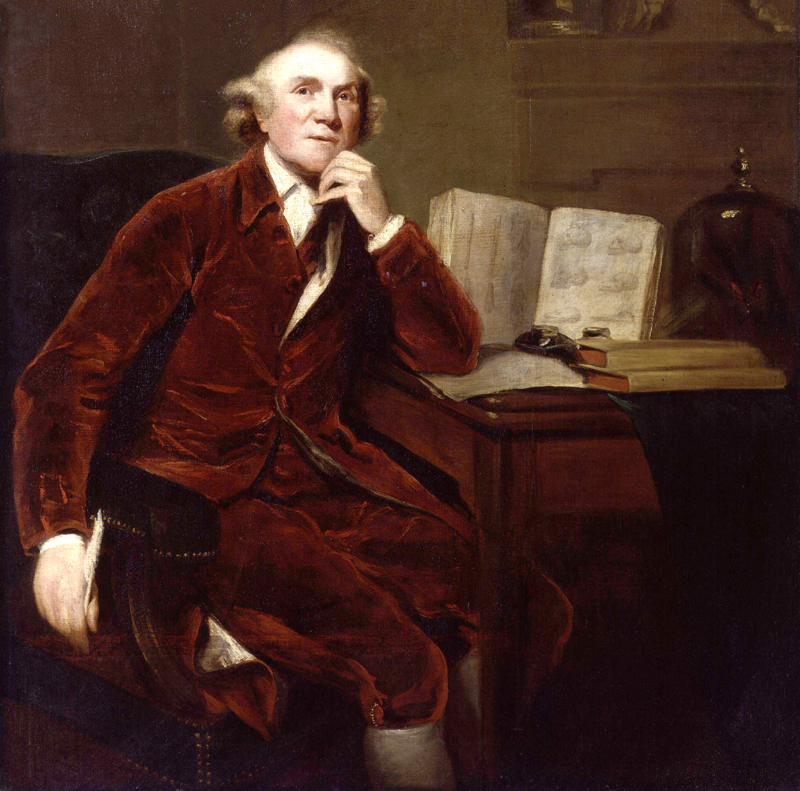
♦ John Hunter,
was a former naval surgeon; he was not an academic but a passionate and intelligent researcher, who fell victim to one of his own experiments. In an attempt to discover whether gonorrhoea and syphilis were two different diseases or merely one and the same disease in two forms, he injected himself with a patient’s pus.
He had, by chance, chosen a patient who was infected with both conditions. This led to his erroneous conclusion that gonorrhoea and syphilis are one and the same disease. This, in turn, resulted in a syphilitic aneurysm of his aorta, from which he died.
♦ Skin flakes
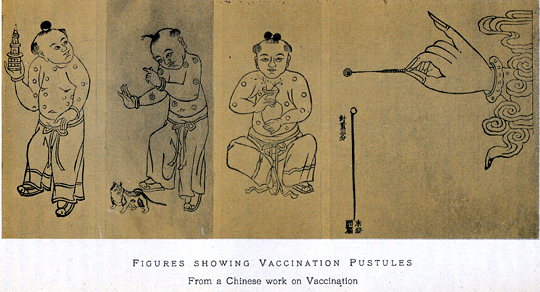
For centuries, it had been known in China that if you inhaled some skin flakes from a smallpox sufferer, you would experience the symptoms briefly, after which you would be immune to the disease.
Vaccination against smallpox had already been practised in Turkey and Greece by 1700.
This involved using a needle to scratch a small amount of serum from a smallpox sufferer into healthy skin. This caused a mild infection, after which the person would no longer contract the disease.
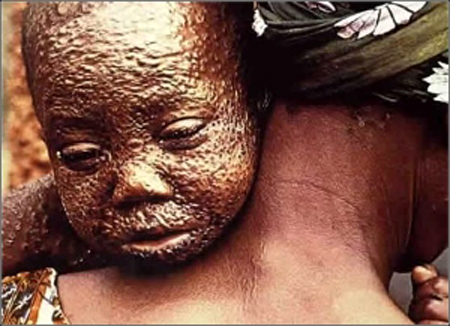
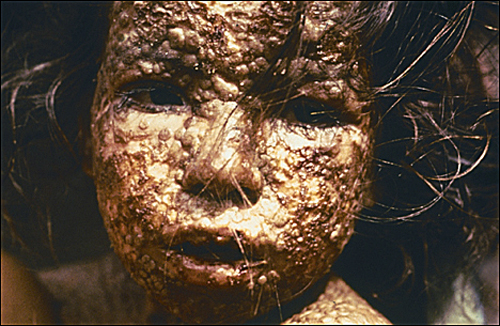
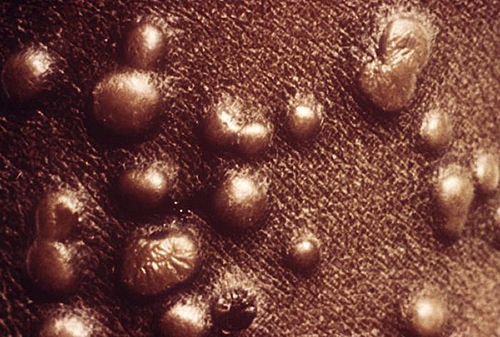
At that time and before, smallpox posed a serious threat in Europe. Every epidemic claimed countless victims. As the disease mainly affected children, it was also known as ‘childhood smallpox’. If you survived, it left pockmarked skin all over your body. Sometimes so severely that facial features had completely disappeared.
♦ Cowpox
During his practice, he heard of the ancient belief that girls and boys (who looked after the cows) who came into contact with ‘cowpox’ – a disease that is harmless to humans – did not contract smallpox. This form of pox is benign and poses no danger to humans. He investigated this superstition, and it turned out to be true. He thought that if he injected people with this harmless cowpox, they would probably become immune to smallpox.
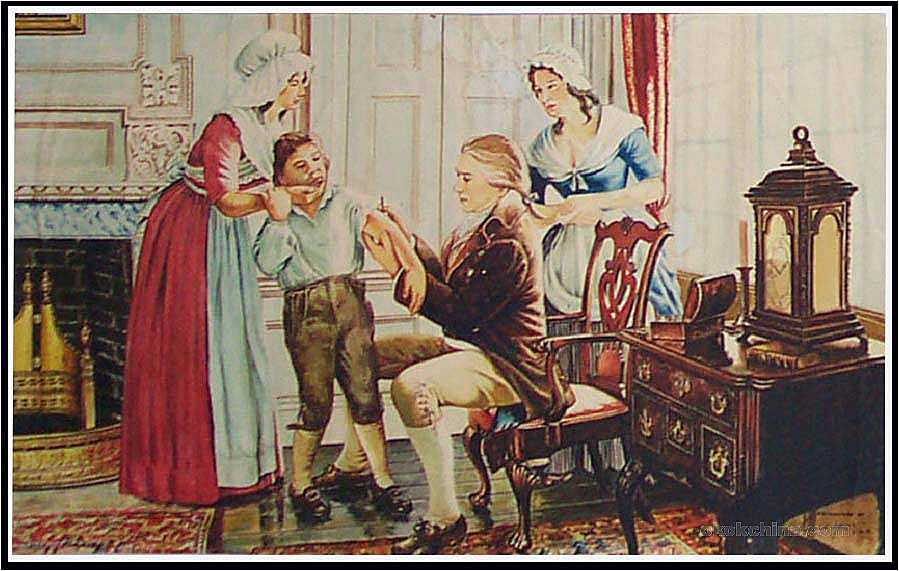
It was only after 20 years of experimentation that he dared to take the big step. He then inoculated the arm of an 8-year-old boy, James Phipps, with fluid from a blister on a cow, and there were no side effects. Two months later, he inoculated him with the real smallpox virus – and there was no reaction. The boy had become immune!
He named this vaccination after the Latin word ‘vaccinia’, meaning cowpox.
News of the smallpox vaccination spread everywhere in the shortest possible time and it was put into practice immediately. Jenner received well-deserved recognition.
His discovery was the result of a masterful observation, although Jenner himself was constantly disheartened because he could never explain how his system worked. It would be another hundred years before the fundamental characteristics of immunity were revealed, but nevertheless, Jenner’s genius and perseverance brought about a triumph of preventive medicine in his day.
♦ Later life
Jenner’s family life was not particularly happy. Jenner married the 27-year-old Catherine Kingscote in 1788. She bore him three children: Edward (1789), Catherine (1794) and Robert Fitzhardinge (1797).
His son Edward died in 1810 of tuberculosis, whilst his daughter Catherine, after a long illness, died in 1815, also of tuberculosis.
Robert never married, whilst Catherine married late in life. Jenner’s first grandchild was not born until after his death.
Following the death of his wife, Jenner fell into a depression and threw himself into his old passions: the garden, his home and his collection of fossils.
♦ Died
On a cold January day in 1823, he was summoned to the undertaker’s, who had suffered a stroke. The following morning, he did not appear for breakfast and a servant was sent to fetch him. He was found unconscious in the library. His nephew Henry performed a few bloodlettings (as was customary at the time), but to no avail.
He never regained consciousness after his stroke. He died just after 2 o’clock the following morning, on 26 January 1823, aged 73.
He was buried in the family vault, next to the altar in Berkeley Church, alongside his parents, his eldest son and his wife Catherine.
The funeral was a very local affair, with no one from London in attendance.
► He has saved the lives of thousands of young women.
► But HIS own life was no success story.
► It was a deeply sad tragedy, orchestrated by himself.