
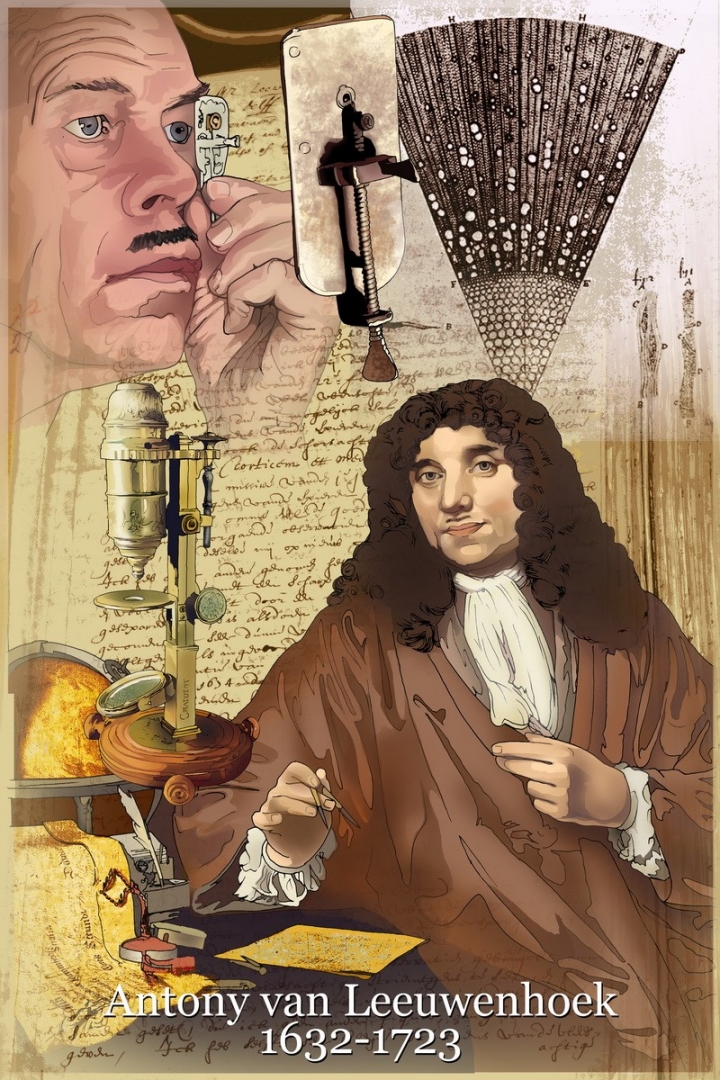
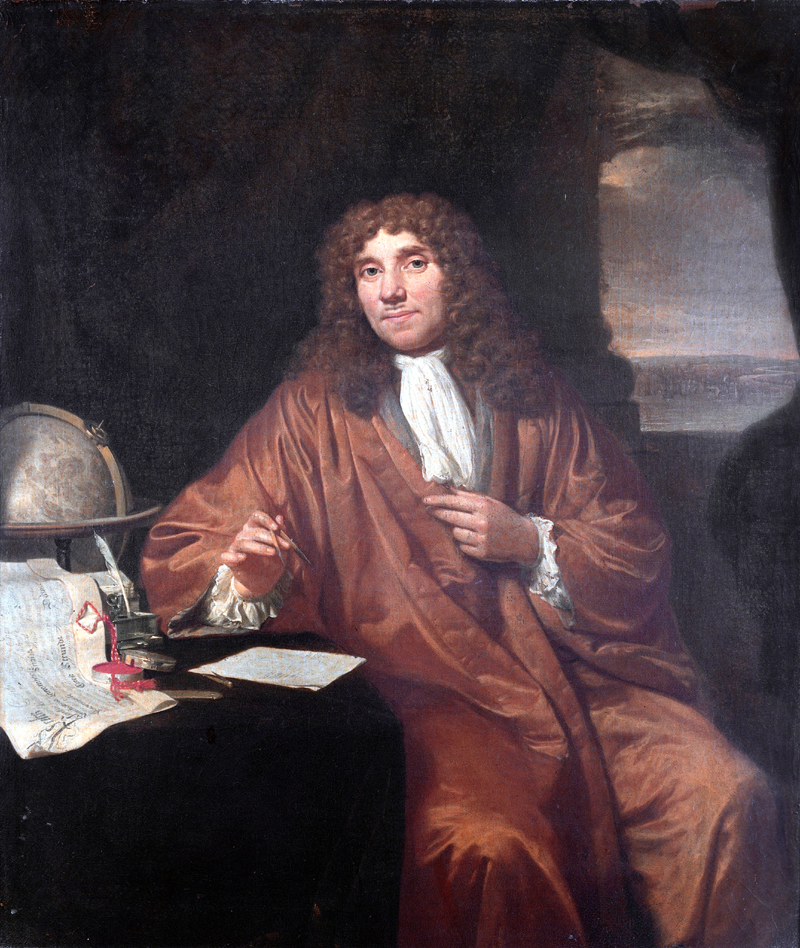
Was a Dutch merchant, surveyor, wine roe-rower, glassblower and microbiologist. Van Leeuwenhoek is best known for his homemade microscope and his pioneering work in cell biology and microbiology.
From 1674 onwards, he made many discoveries that became known through his correspondence with the Royal Society in London.
♦ Life
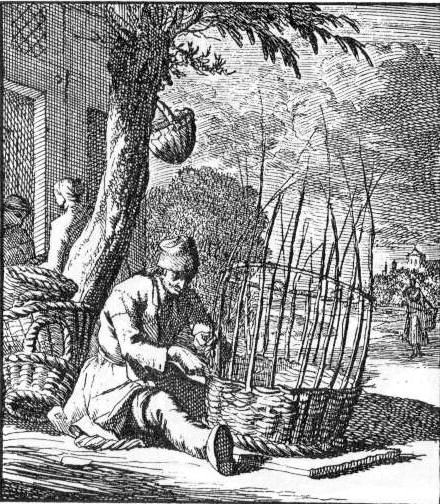
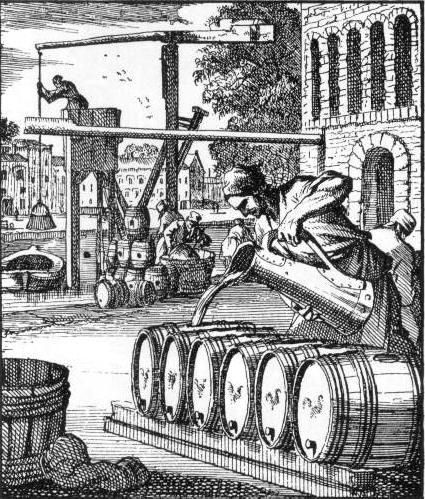
Van Leeuwenhoek was born in Delft in 1632, the son of Philips Antonyszoon, a basket maker, and Margaretha Bel van den Berch, who came from a family of beer brewers.
On 4 November 1632, he was baptised as ‘Thonis Philipszoon’; he called himself van Leeuwenhoek because his family home in Delft stood on the corner next to the Leeuwenpoort. In 1637, when he was five years old, his father died and shortly afterwards his mother remarried. Ten years later, his stepfather died. He attended school in Warmond and stayed with an uncle in Benthuizen.
He was subsequently trained for five to six years in Amsterdam as a cashier and bookkeeper for the Scottish cloth merchant William Davidson. From a young age, he developed a broad interest in astronomy, mathematics, physics and chemistry.
Van Leeuwenhoek married Barbara de Meij and moved with her to Delft in 1653 or 1654, where he set up a shop selling linen, yarn and ribbon. They had five children, and Barbara died in 1666.
Being appointed to the sinecure of Chamber Keeper to the Aldermen in 1660 provided him with a steady income (a sinecure is an office with a salary or privileges but without any substantial duties). In 1669, he passed the surveyor’s examination.
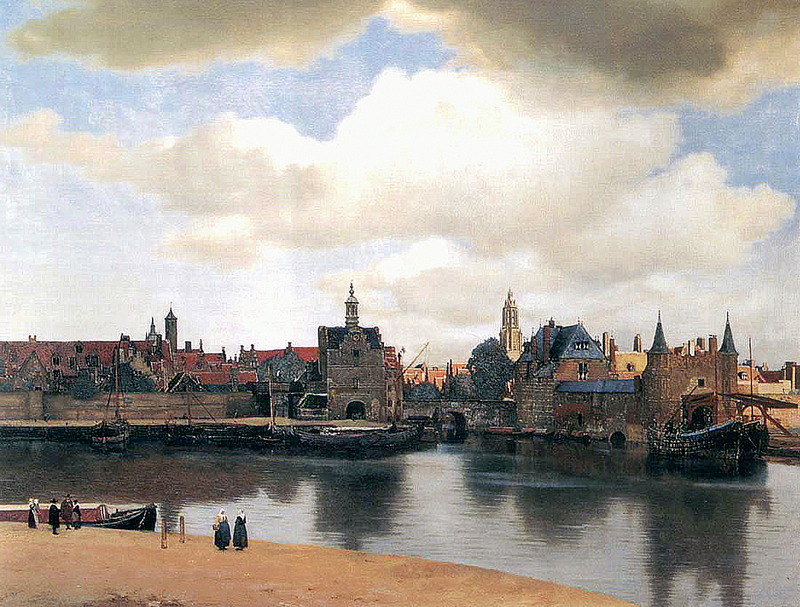
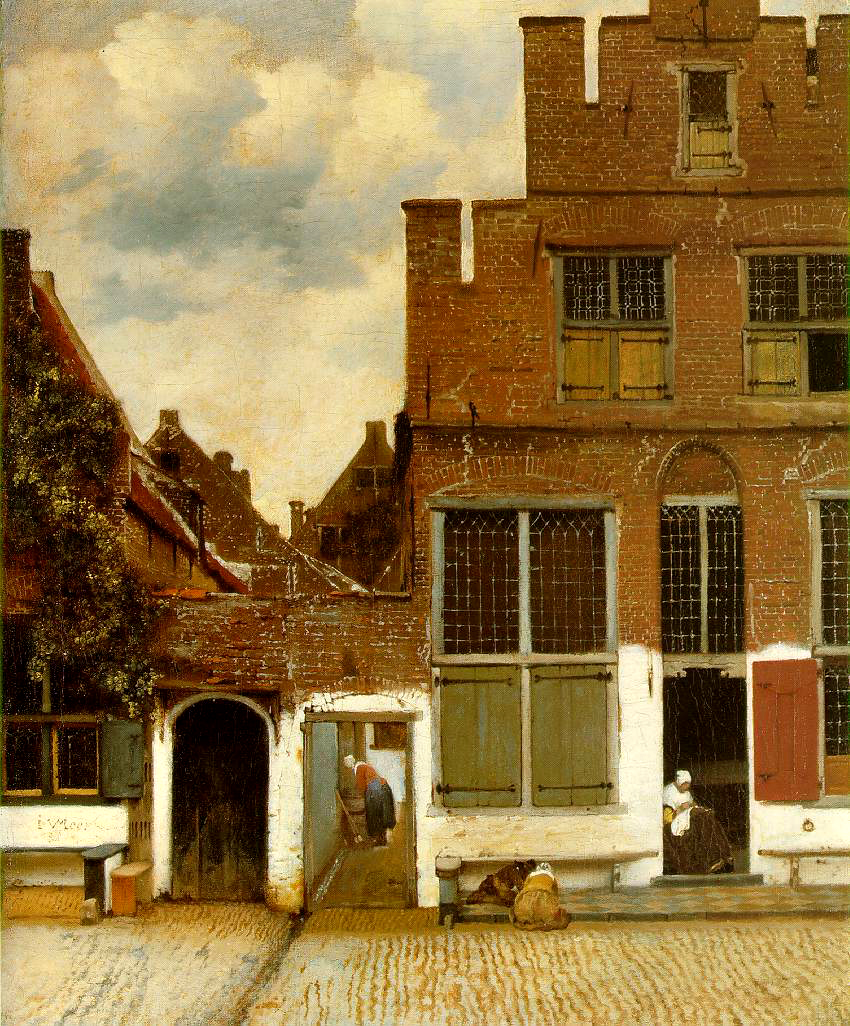
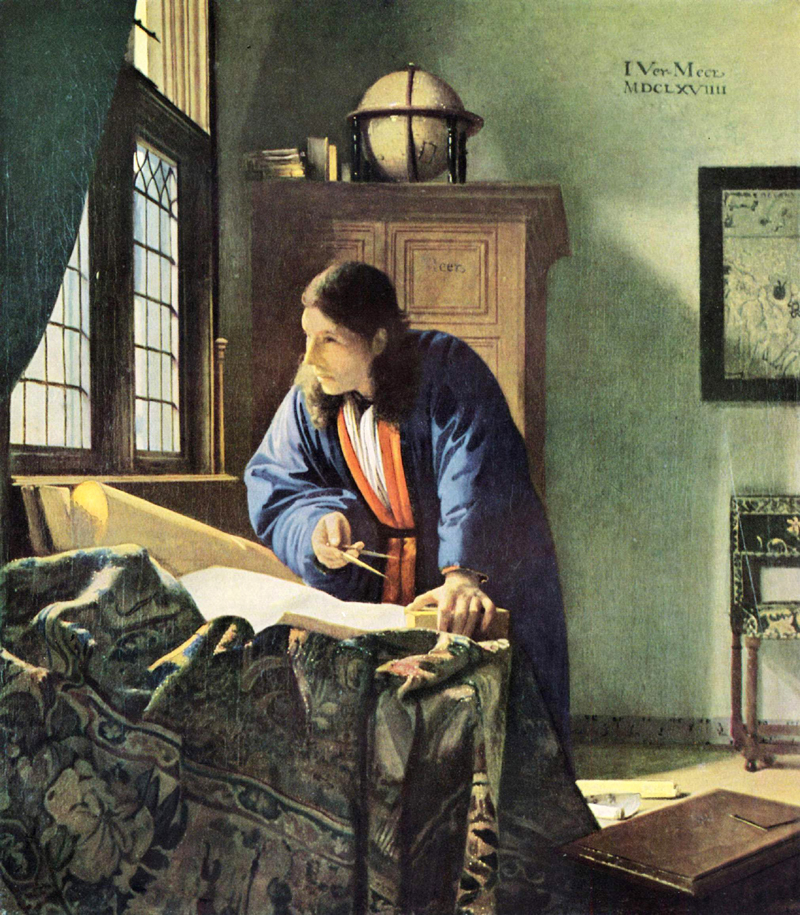
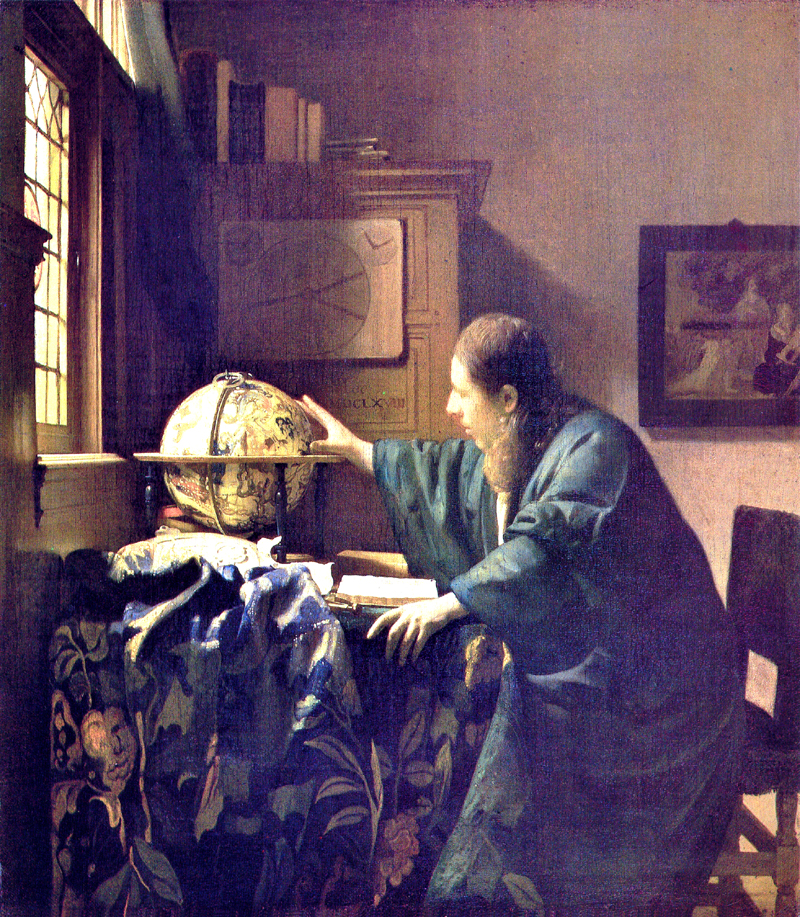
Following the death of Johannes Vermeer in 1675, Van Leeuwenhoek acted as executor of his estate. He had been baptised in the same church four days after Vermeer. It is often assumed that the two were close friends. Some have even suggested that the natural philosopher may have modelled for Vermeer’s paintings The Geographer and The Astronomer, and that he may have supplied the artist with lenses for his camera obscura, but this has never been proven.
Van Leeuwenhoek remarried in 1671 to Cornelia Swalmius, a descendant of a family of ministers. In 1679, the city of Delft appointed him wine taster, a post which required a certain level of mathematical knowledge. In 1694, Cornelia also died, leaving him alone with his daughter Maria – his other children had already passed away.
Van Leeuwenhoek was a wealthy man. This is evident from the estate his daughter inherited 20 years after his death: 90,000 guilders; but it is also evident from his purchase in 1666 of a garden outside the city and from the fact that he owned a horse in 1681.
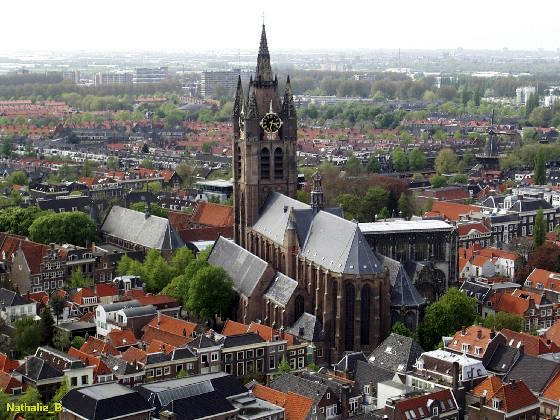
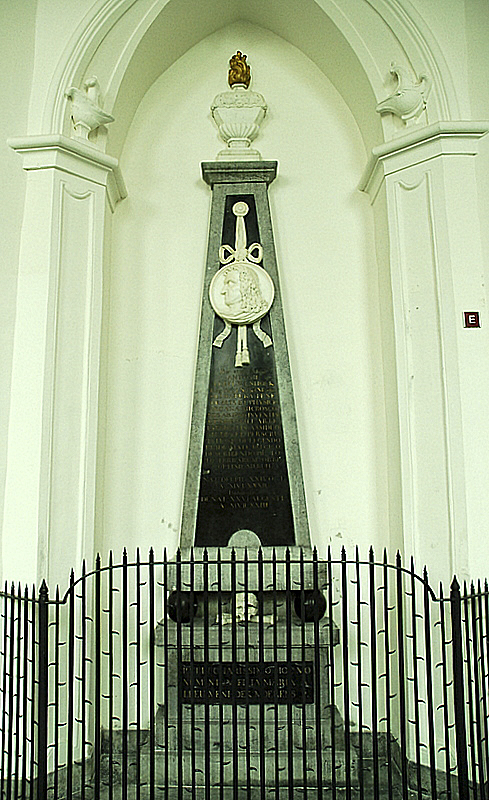
On 26 August 1723, Antoni van Leeuwenhoek died in his hometown, aged almost 91. According to accounts, on his deathbed he dictated a letter to the Royal Society in which he described the fluttering of his diaphragm so thoroughly that the condition came to be known as Van Leeuwenhoek’s disease. He was buried on 31 August 1723 in the Oude Kerk in Delft
♦ Microscope
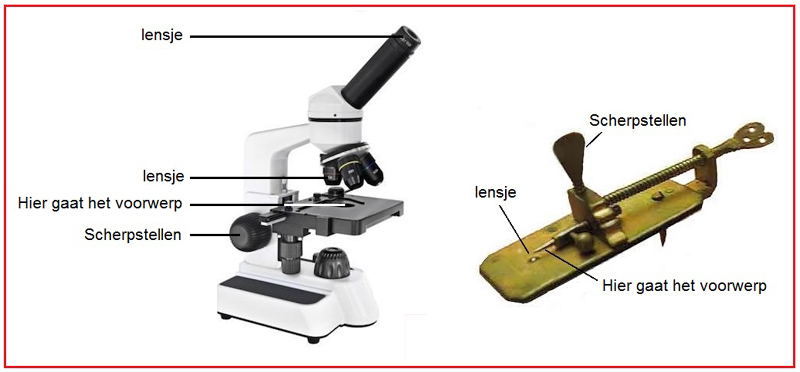
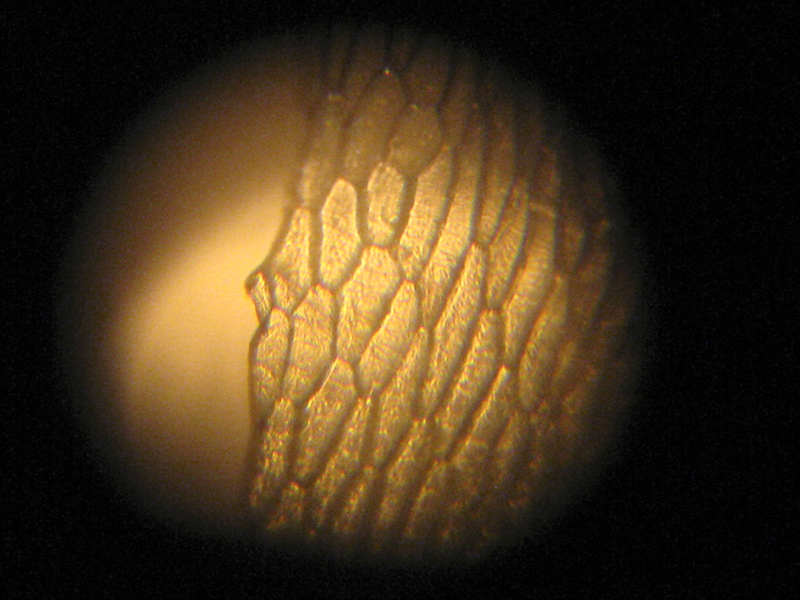
In 1648, he first came into possession of a magnifying glass: a magnifying glass used in the textile trade with a magnification of three – a thread counter. The Dutchman Jan Swammerdam (1637–1680) and the Englishman Robert Hooke (1635–1703) were already using a compound microscope with an ocular and an objective lens, but the magnification of these instruments paled in comparison to the powerful lenses that Van Leeuwenhoek would go on to make. For instance, Hooke’s compound microscope magnified only 30x, whilst the magnification of Van Leeuwenhoek’s simple microscope could reach up to 270x, as demonstrated by a specimen manufactured by Van Leeuwenhoek and now in the possession of the University Museum in Utrecht. Hooke’s microscopic research into the natural sciences led, in September 1664, to the groundbreaking book Micrographia: or Some Physiological Descriptions of Miniature Bodies Made by Magnifying Glasses. In this work, Robert Hooke provides a meticulous description of, amongst other things, a plant cell, a fly’s eye and a flea.
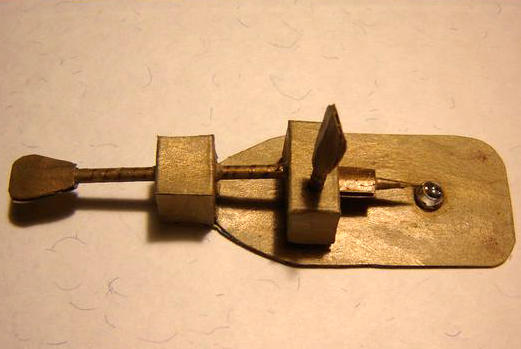
It is possible that this publication by Leeuwenhoek indirectly inspired him to focus his lenses on something other than sheets. Van Leeuwenhoek was self-taught: without any formal training in the natural sciences and without any knowledge of foreign languages, he taught himself the art of observation and description in a back room of his shop. But he was also an astonishing craftsman who taught himself how to blow, grind and polish glass. Unlike Hooke’s compound microscope, van Leeuwenhoek almost always clamped a single lens between two metal plates; the specimen to be studied was secured with screws and positioned so that it could be observed in sharp focus.
♦ Secret method
His scientific standing depended entirely on his exclusive knowledge of lens production, and he therefore kept his method jealously secret. He recorded his observations and conclusions in letters he wrote to acquaintances, which led the Delft physician and anatomist Reinier de Graaf to introduce him to the Royal Society in London in 1673. From 1674 onwards, his findings were published in the *Philosophical Transactions*, but eventually his marvellous observations aroused such scepticism that a delegation was sent to observe the microscopic creatures with their own eyes.
In 168In 1680, the Society appointed him as a member and he received recognition for his scientific work. Van Leeuwenhoek sent many specimens to London.
In 1931, the British microscopist Brian J. Ford discovered that Van Leeuwenhoek’s original specimens had been preserved in excellent condition and of high quality in the Royal Society’s collections.
Until his death in 1723, Van Leeuwenhoek sent letters detailing his findings to the Royal Society.
♦ Discoveries
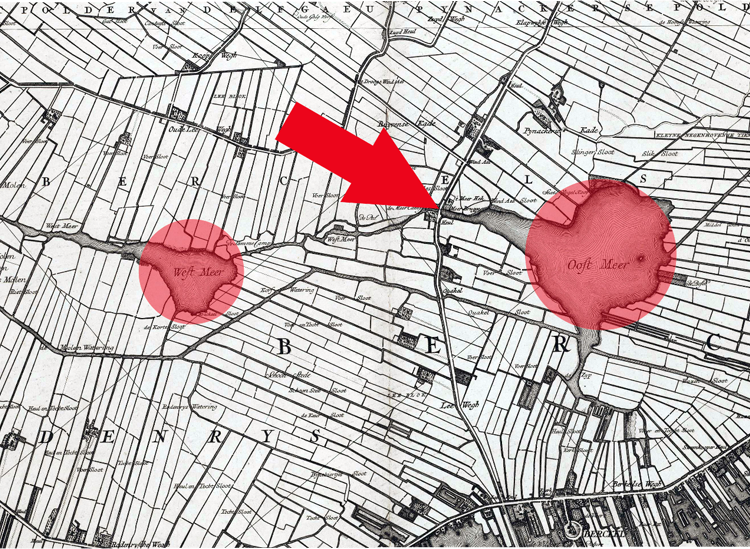
- In 1674: infusoria (infusoria, tiny aquatic organisms) and protists (single-celled organisms with a cell nucleus) were found during an algal bloom in Berkelse Meer near Rotterdam.
- In 1675: dissection of lice’eggs and discovery of embryonic lice, thereby undermining the theory of spontaneous generation.
- In 1676: bacteria in a pepper-infusion. The almost invisible cheese mite, which lives in old, hard cheese, was considered at the time to be the smallest creature.
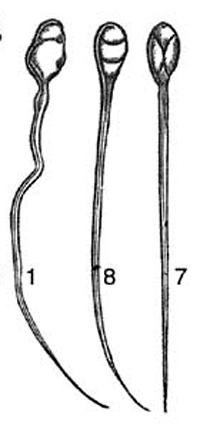
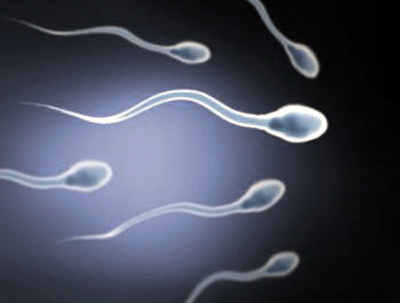
- in 1677: spermatozoa. Through a professor from Leiden, he obtained a sample of semen from a man suffering from gonorrhoea, but the material died within a few hours. He then conducted research on healthy semen. He observed a vast multitude of tiny creatures.. The sperm cells move (using their tails) and therefore, in his view, they are the bearers of life. The female reproductive organs serve merely to provide nourishment for the organisms already present in the semen. He had the text on human sperm cells translated into Latin.
- in 1682: striated pattern on muscle fibres.
- in 1688: research into blood and the circulatory system leads to the publication of The True Circulation of Blood, and That the Arteries and Veins Are Continuous Blood Vessels, Clearly Set Forth for the Eyes.
- in 1694: precise description of the facet eye of a dragonfly.
- in 1694: anastomoses (network) in the muscle tissue of a duck’s heart. This network was not rediscovered until 1849.
Here is a passage he wrote
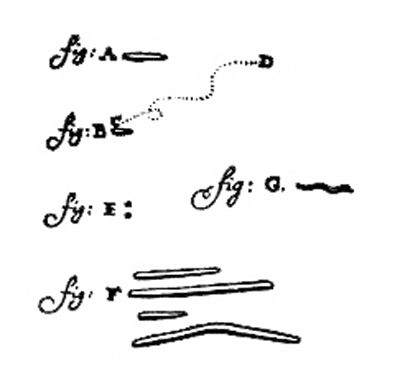
‘That within the said substance there were many very small creatures, which moved about there in a most charming manner. The largest species was that shown in Fig. A; these moved with great vigour and shot through the water, or saliva, just as a pike does through the water; these were generally few in number.’
Van Leeuwenhoek realised that the observation of sperm was a sensitive matter, and so he wrote:
‘That what I am observing is just what nature, not by sinfully defiling myself, but as a natural consequence of conjugal coitus...’
translation: “that what I am observing is what nature, not by sinfully defiling myself, but as a natural consequence of conjugal coitus”
PUT SIMPLY: THAT HE HAD NOT ENGAGED IN MASTURBATION – as this was, in fact, A CRIMINAL OFFENCE
24 April 1676: the birth of bacteriology
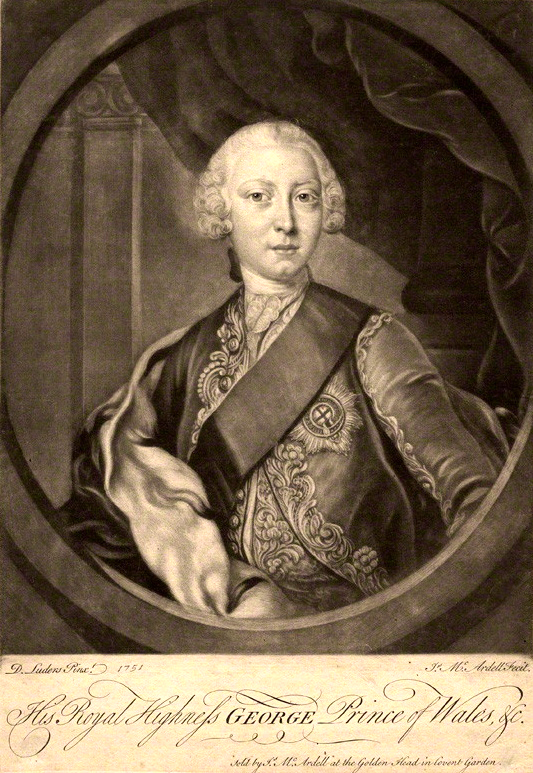
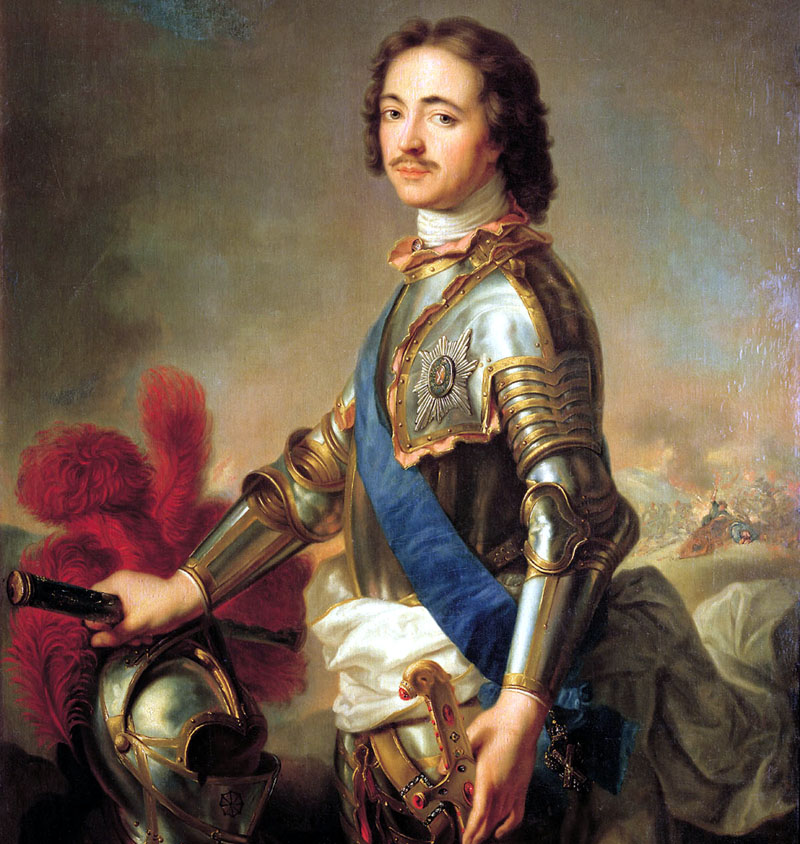
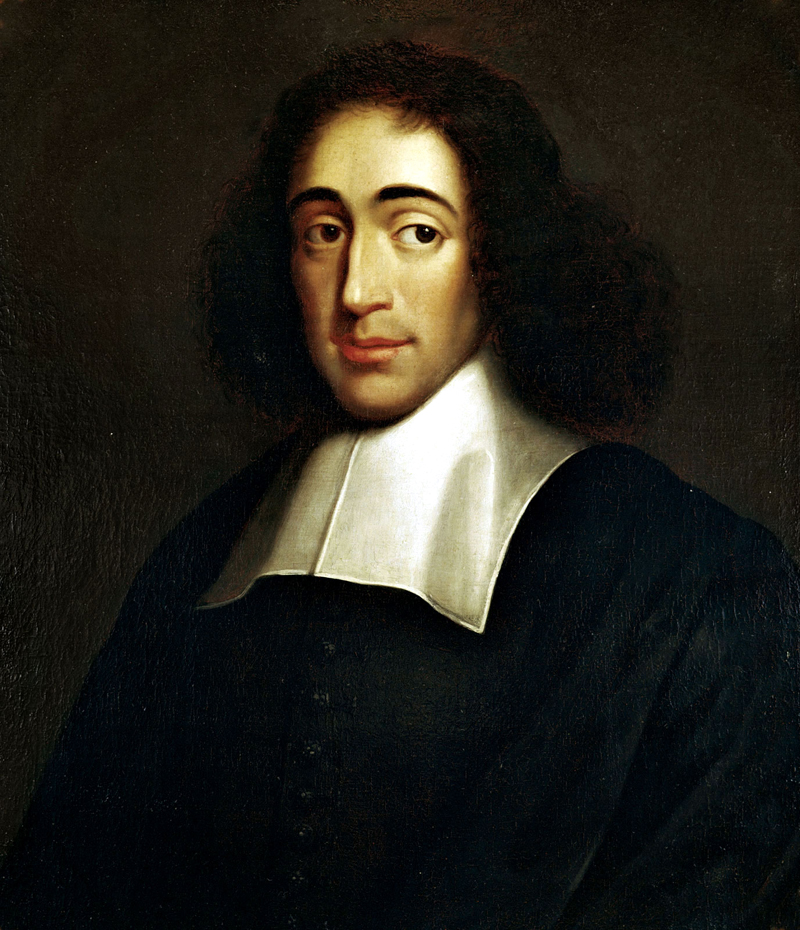
Many important figures paid a visit to Delft, such as the King of England, ---Tsar Peter the Great---, Spinoza and other great figures of his time.
Incidentally, they did seem to have difficulty looking through his small microscope, and some long believed that van Leeuwenhoek was simply making things up about his ‘tiny creatures’.