
.jpg)
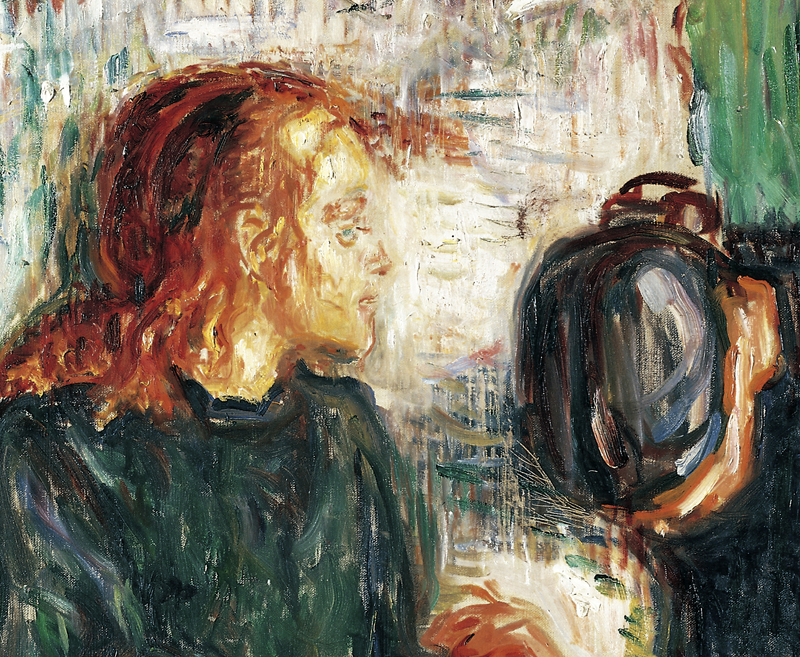

The Sick Child
Personal reflection by Loes van Damme-Rietvelt
What Caught My Attention?
When I look at this painting, it is not so much what I see that affects me, but what I feel.
I feel overwhelming sadness and helplessness.
My eyes are immediately drawn to the mother, gently holding her daughter's hand. The young girl, with her reddish-blonde hair illuminated against the pillow, gazes listlessly towards the window. Her pale hand rests motionless on the blanket, exhausted by her illness.
The mother sits beside her in silence, holding her daughter's hand as if trying to preserve the last fragile connection between them, to feel that she is still alive.
That is what moves me most: the mother's despair and helplessness.
To me, this is a universal image of every parent standing at the bedside of a dying child.
Some emotions never change.
From prehistory until today, the fear of losing a child has remained the same.
What Does It Make Me Think About?
What strikes me most is that this is not really a painting about disease. It is a painting about love, fear and loss.
For thousands of years families have sat beside sick children, hoping that recovery would come and fearing that it would not.
The clothes, homes and medical knowledge may change, but the emotions remain remarkably familiar.
That is why the painting still feels so powerful today.
It captures something universal: the helplessness of watching someone you love slip slowly beyond your reach.
Tuberculosis
Knowing the history behind the painting makes it even more moving.
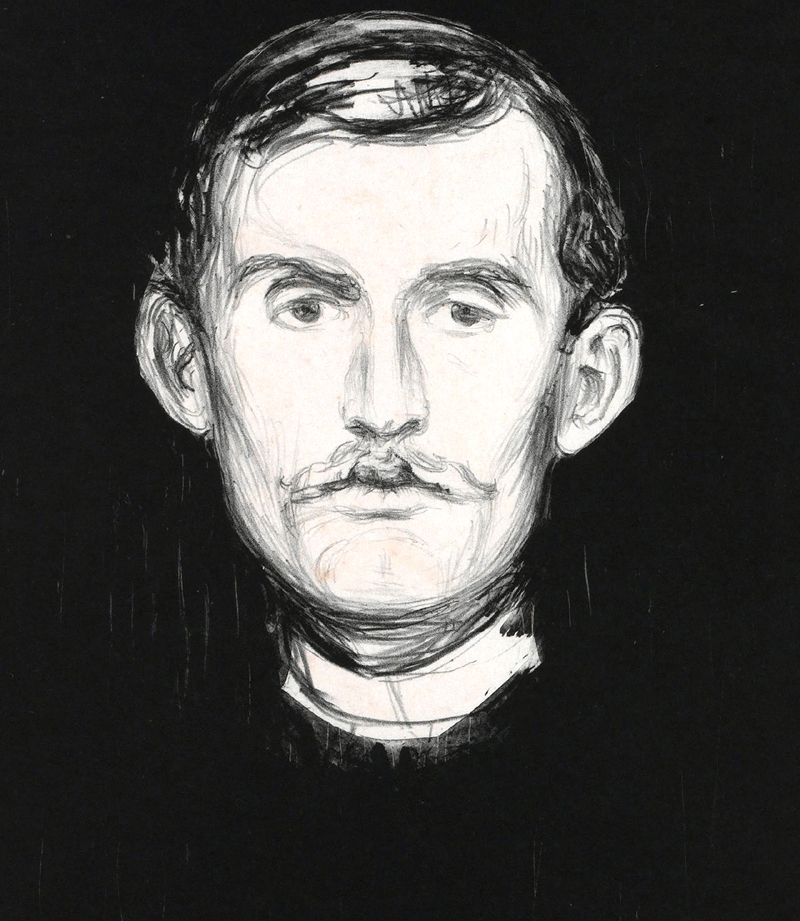
Edvard Munch was only five years old when his mother died from tuberculosis. Later, his beloved sister Sophie also died from the disease at the age of fifteen.
The Sick Child is generally understood as Munch's attempt to come to terms with that personal loss.
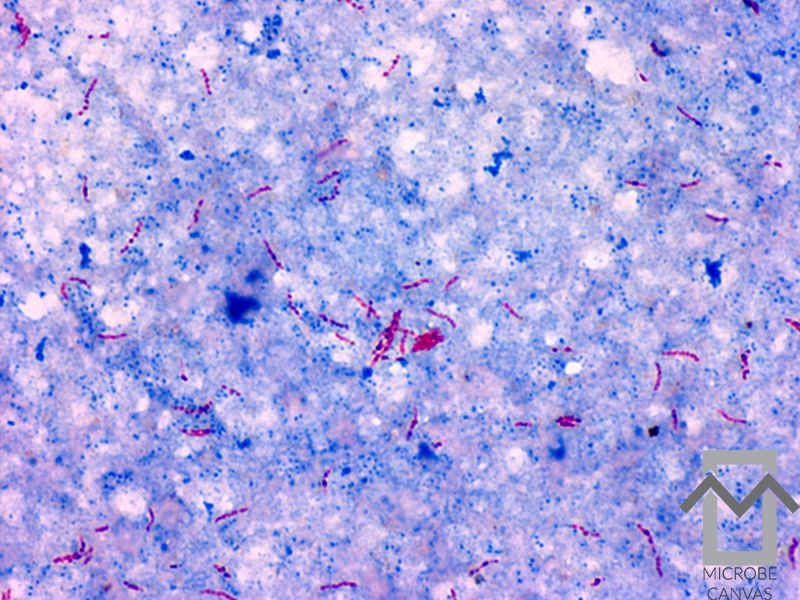
Tuberculosis is caused by Mycobacterium tuberculosis and primarily affects the lungs, although almost any organ can become involved.
The disease spreads through tiny airborne droplets released when an infected person coughs, sneezes or speaks.
Typical symptoms include persistent coughing, weight loss, fever, night sweats and increasing physical weakness.
Before effective antibiotics became available, tuberculosis was one of the most feared infectious diseases in the world.
Patients were usually cared for at home, surrounded by family members who could do little more than watch and wait.
What Has Changed?
Much has changed since Munch painted this scene.
Today tuberculosis can be diagnosed through microscopy, culture, molecular techniques and imaging studies.
Effective antibiotic treatment has saved millions of lives.
Yet tuberculosis has not disappeared.
It remains one of the world's most important infectious diseases and continues to affect millions of people every year.
Perhaps that is why The Sick Child remains such a powerful painting.
Not because it teaches us how to diagnose tuberculosis.
But because it reminds us that behind every infectious disease lies a human story.
A frightened family. A bedside vigil. A hand that refuses to let go. And a love that remains, even when medicine can do no more.
MicrobeCanvas
Additional information about tuberculosis, clinical presentations, microscopy, culture, molecular diagnosis and Mycobacterium tuberculosis can be found elsewhere in MicrobeCanvas under Tuberculosis.