
Gaspar de Crayer
1584, Antwerp – 1669, Ghent, Belgium
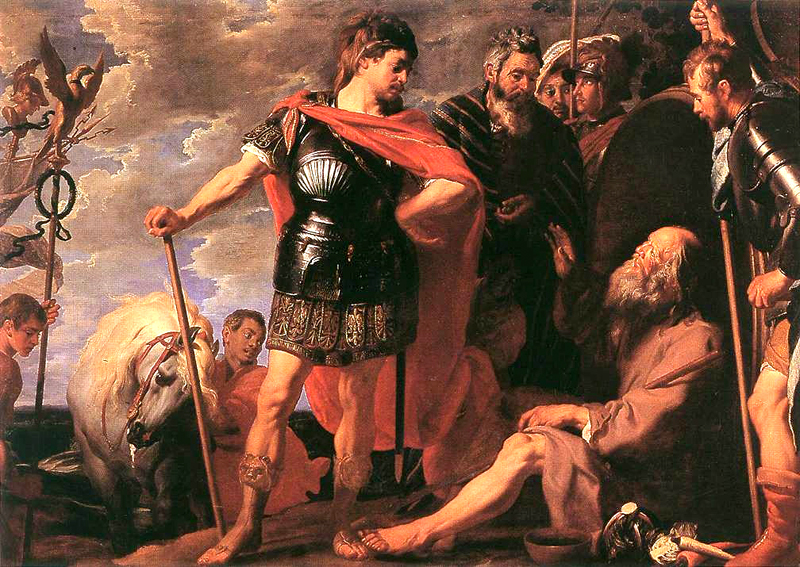
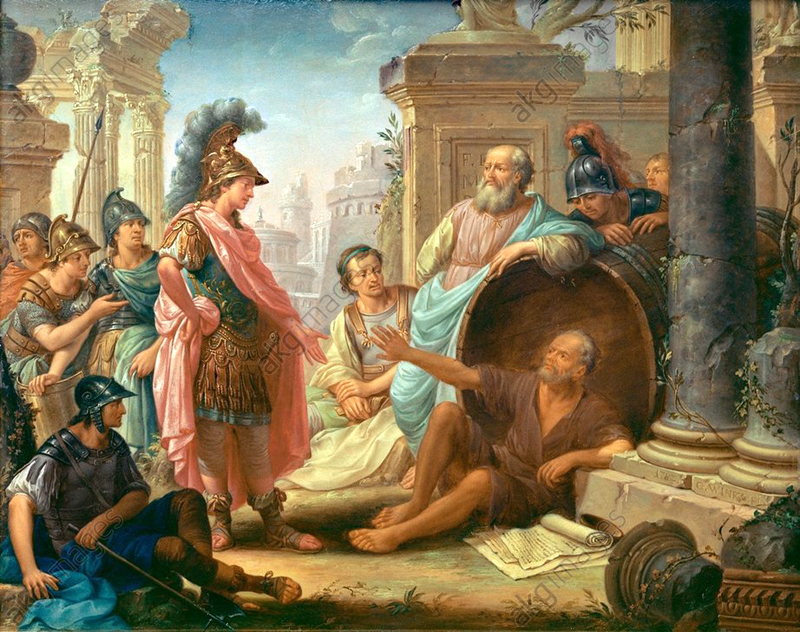
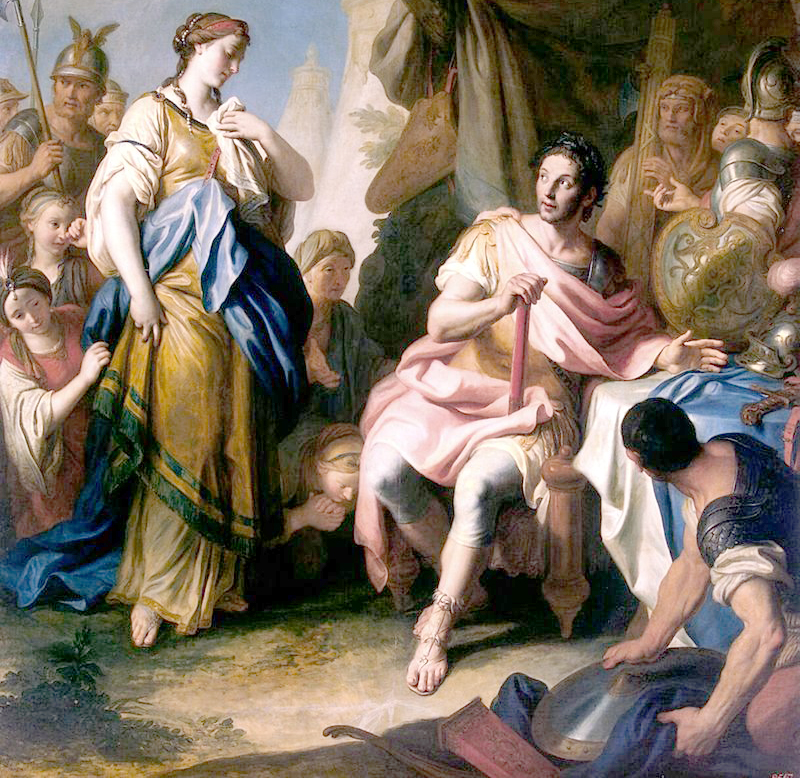
The encounter between the ancient Greek ruler Alexander the Great and the Greek philosopher Diogenes was a popular subject in Italian and Flemish Baroque painting.
Crayer was a pupil of Rubens and was also influenced by van Dyck.
♦ Alexander the Great and Diogenes (1620) ♦
When Alexander the Great, ruler of the world, asked the philosopher Diogenes what he wanted most, Diogenes replied: ‘Step out of my sunlight, won’t you?’.
The contrast between the handsome, young hero and the destitute old man, whose life is a model of asceticism, is exploited by the painter through his composition and use of colour.
The message of this painting is the insignificance of earthly power compared to ethical principles.
♦ Diagnose
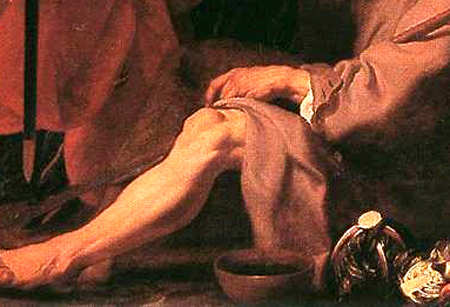
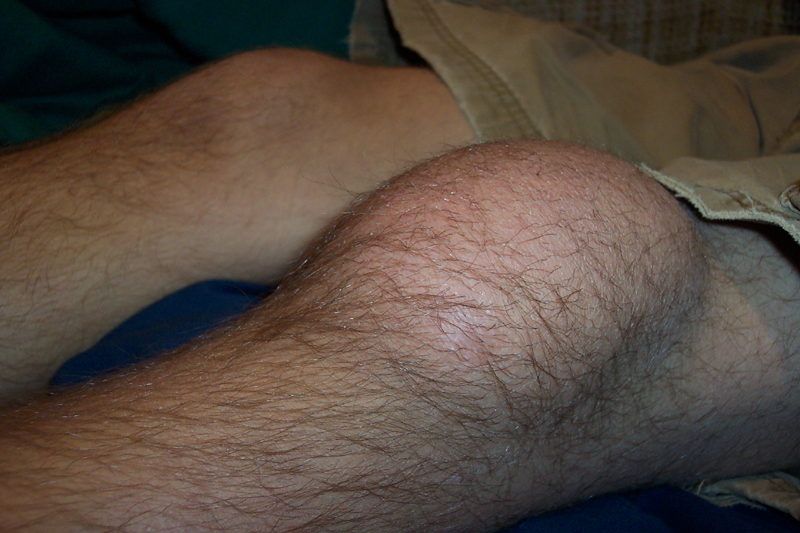
Key symptoms: Localised swelling of the left knee.
Associated symptoms: Elderly philosopher, asceticism, plant-based diet
Clinical diagnosis: Prepatellar bursitis (housekeeper’s knee, priest’s knee)
♦ Definition: Prepatellar bursitis
Inflammation of the bursa at the front of the knee joint capsule.
♦ Discussion
Prepatellar bursitis, a swelling between the skin and the underside of the kneecap or the hamstring, used to be caused mainly by frequent kneeling and is now primarily caused by contact sports.
The pain is usually bearable, unless direct pressure is applied to the swollen area.
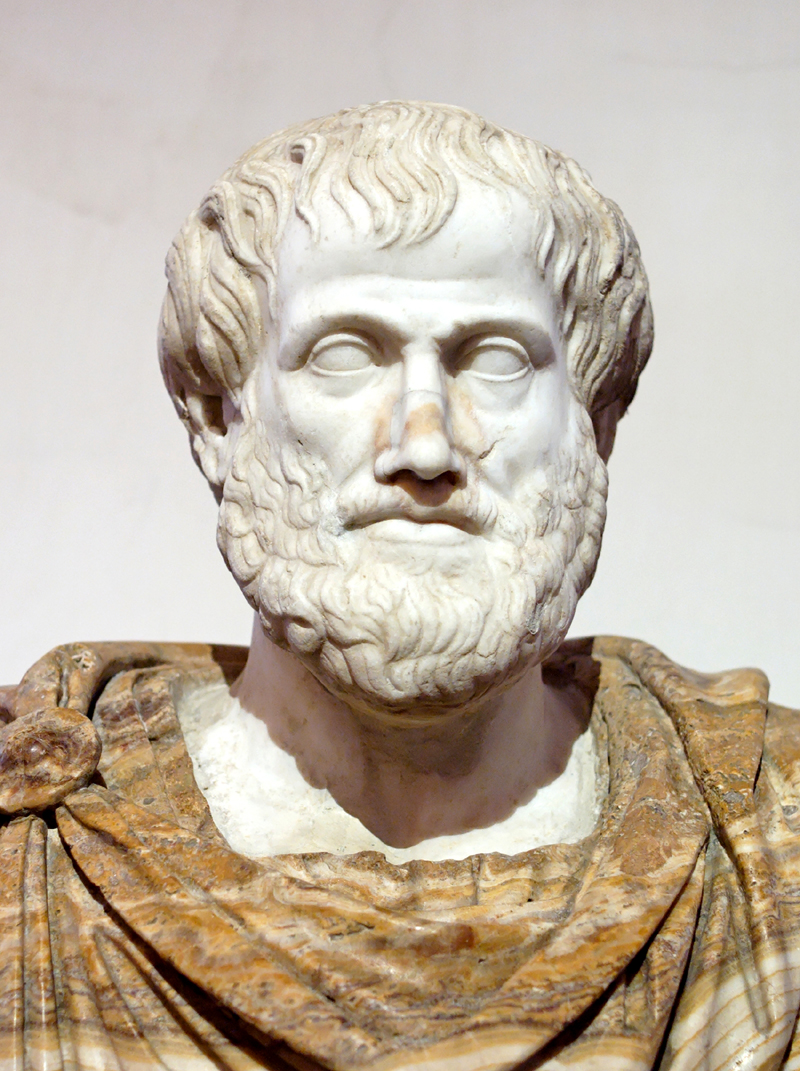
► Alexander the Great, King of Macedonia, born in 356 BC, was educated by Aristotle,
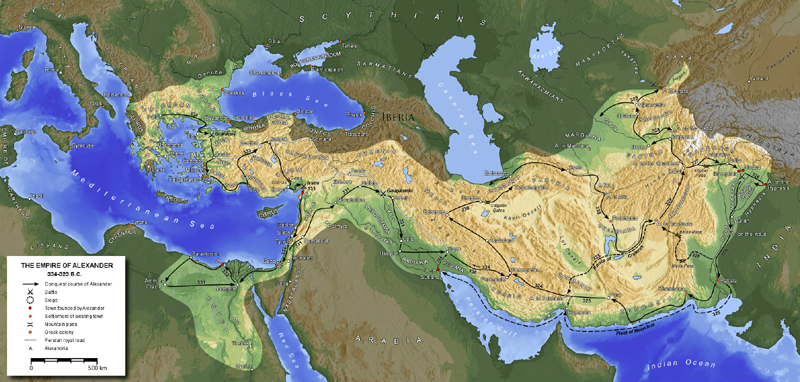
He conquered Greece in 336, Tyre and Egypt in 332. He married the Persian princess Roxana.
He later conquered India after crossing the Indus (327–325) and died in Babylon in 323 BC.
In 301 BC, his empire was divided into smaller parts, including Macedonia, Syria and Egypt.
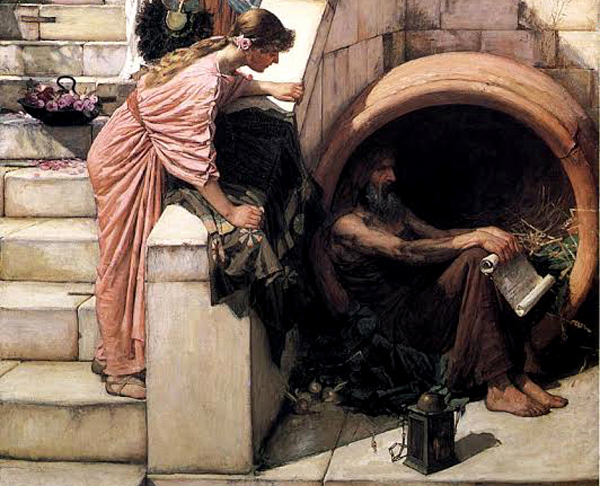
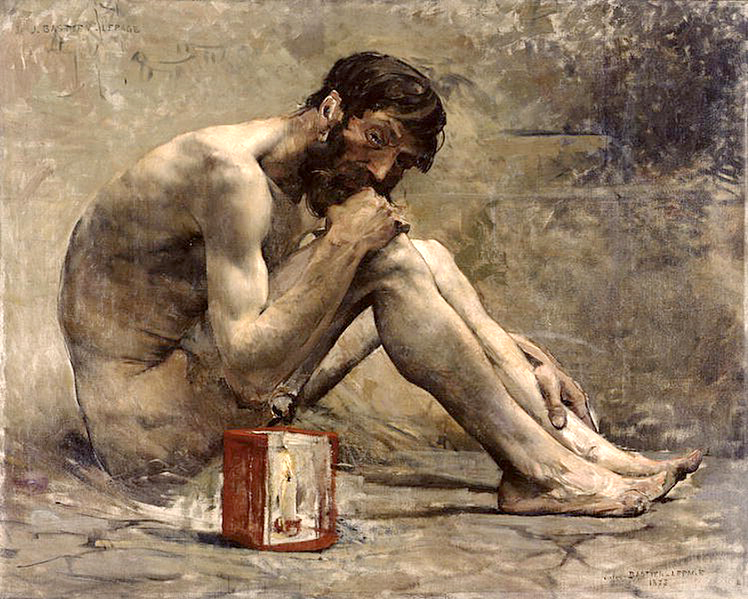
► Diogenes, born on the Black Sea coast before 400 BC, arrived in Greece in 340 as a political exile, where he became a renowned philosopher in the school of Socrates.
There, he represented the Cynic school of thought, which was based on the principles of simplicity, frugality and freedom in the face of conventionalism.
Diogenes died in Corinth in 320 BC.
Source: Jan Dequeker
The artist and the doctor look at paintings