.jpg)
.jpg)
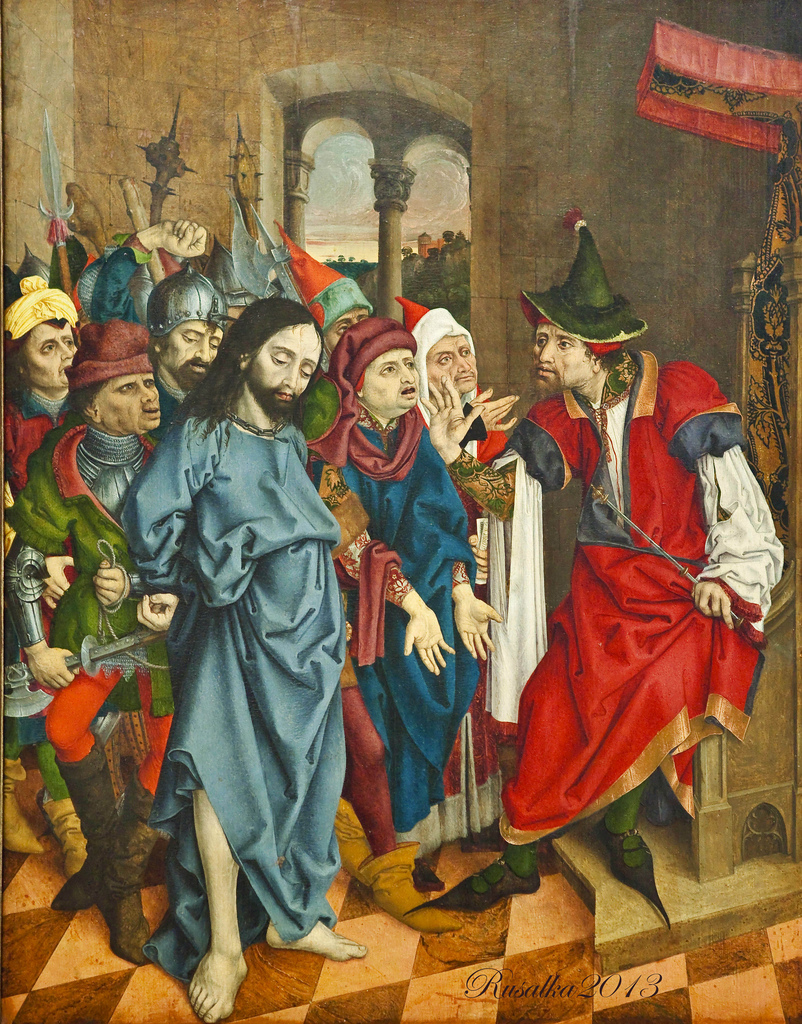
Meester LCZ
1480 - 1505
♦ Christ stands before Pilate ♦
Christ is brought before Pilate by a roaring crowd, and Pilate gestures to indicate: ‘I have nothing to do with this man’.
Christ is barefoot, whilst the others are wearing shoes. Pilate, in particular, is wearing very fashionable shoes.
♦ Diagnosis
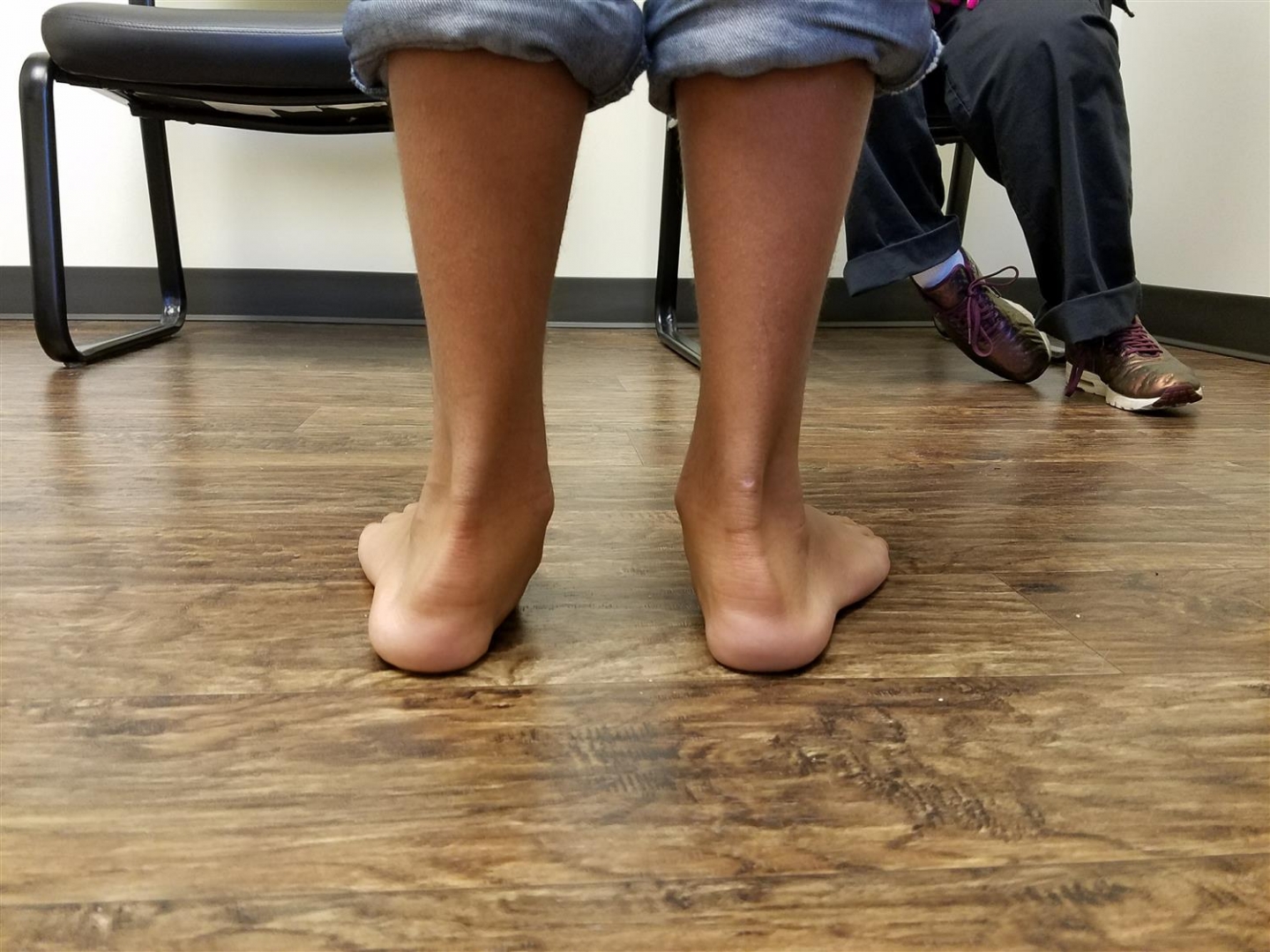
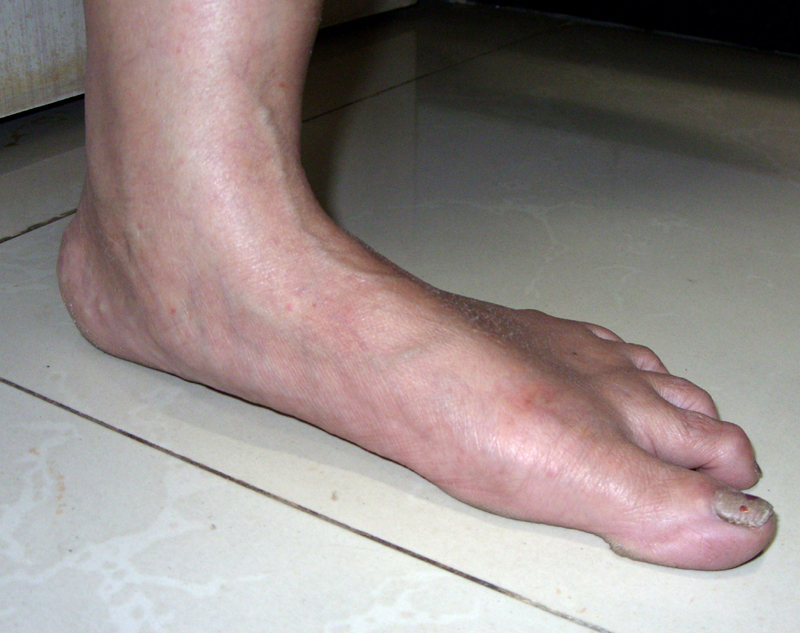
Key findings: right-turned and shortened forefoot, flat foot.
Additional findings: x-toe (halgus vallus)
Clinical diagnosis: flat foot on the left foot
♦ Definition: congenital vertical tarsus
This condition is characterised by the presence, from birth, of a clubfoot (pes equinus) and a high-arched forefoot.
As the child grows, the foot often turns outwards. Some cases are associated with paralytic conditions, spina bifida and abnormal joint contractures (arthrogryposis), but the deformity can also occur as an isolated defect.
No genetic or aetiological factors are known.
♦ Definition: flat feet
Flat feet (pes planus) is a condition in which the arch of the foot collapses to a greater or lesser extent.
This may be congenital or acquired as a result of a loss of muscle tone, usually due to ill-fitting shoes, poor walking habits and/or standing upright for hours on end whilst carrying out certain activities.
The acquired form is usually associated with the foot turning outwards.
♦ Discussion
The diagnosis of congenital vertical talus and flatfoot was suggested to me (Jan Dequeker) by my colleague Guy Fabry, Leuven.
The anonymous artist was long known as the Master of the Strache Altarpiece (named after the owner of the panels).
Later, stylistic similarities were discovered with engravings from 1492–1497, which were signed ‘LCz’.
Source: Jan Dequeker

Flat foot and pointed foot
References
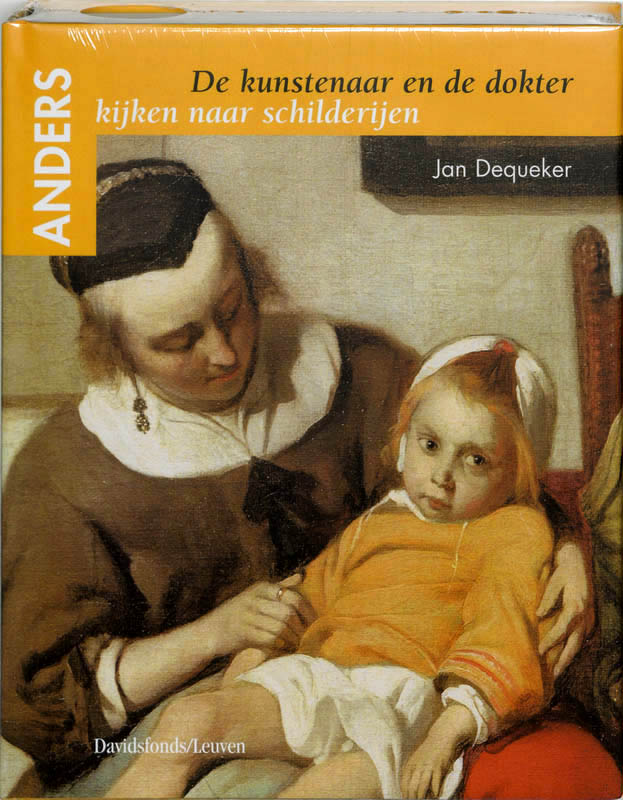
Jan Dequeker
De kunstenaar en de dokter kijken naar schilderijen
Photos
wikimedia.org
wikiskripta.eu
synoniem: pes planus, fallen arches
https://www.orthobullets.com/pediatrics/4069/flexible-pes-planovalgus-flexible-flatfoot niet RV