.jpg)
.jpg)
.jpg)
.jpg)
.jpg)
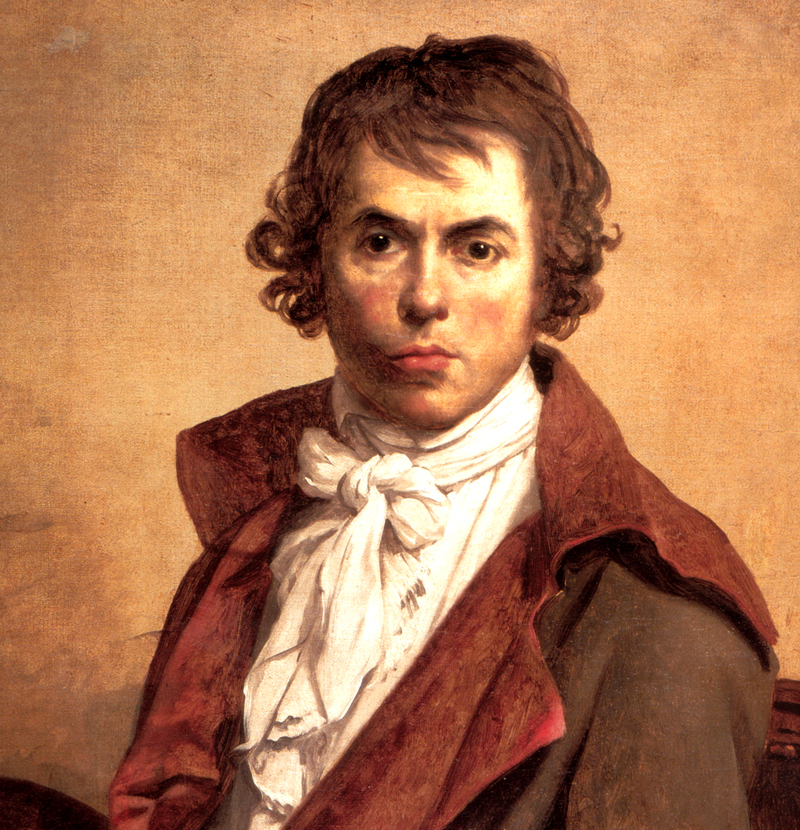
Jaques-Louis David
30 August 1748, Paris, France – 29 December 1825, Brussels, Belgium
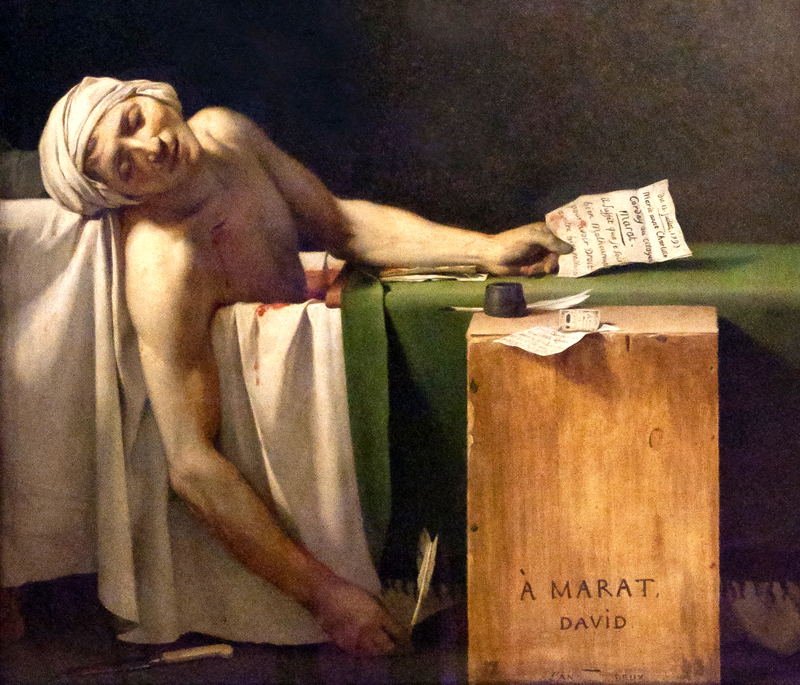
♦ The Assassination of Marat (1793) ♦
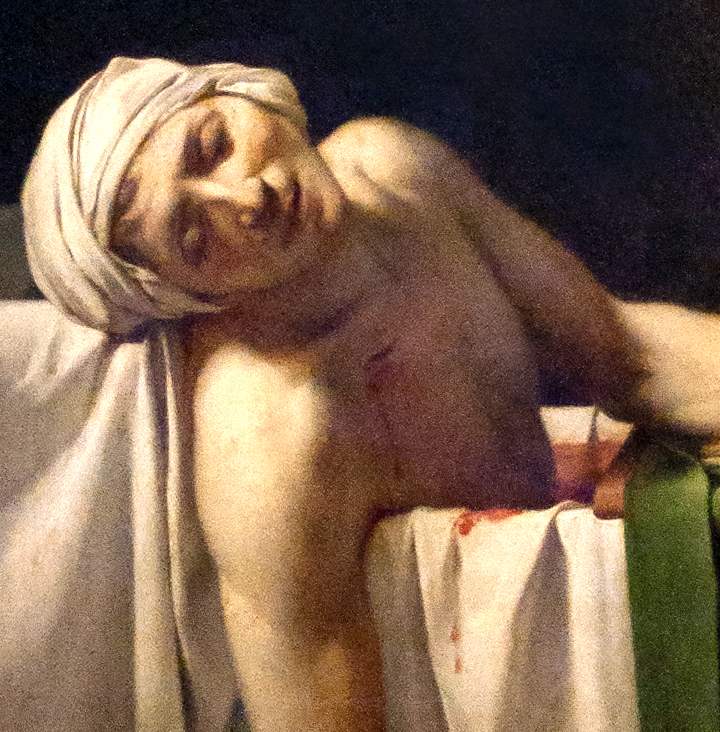
This painting is also known as *The Pietà of the Revolution*. The divine journalist Marat, with one hand hanging over the edge of his bath, loosely clutching his final pen, his chest pierced by the sacrilegious wound, has just breathed his last.
On the green writing desk placed in front of him on the bath, he still holds with his other hand the treacherous letter addressed to Citoyen Marat: ‘It is enough that I am unhappy to be entitled to your goodwill’.
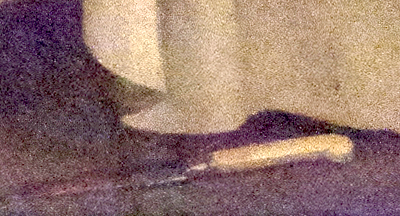
The water in the bath is stained red with blood, and there are also bloodstains on the paper. On the floor lies a large kitchen knife that still smells of blood. On a shabby trunk that served as a writing desk for the tireless journalist, we read: ‘To Marat, David’.
♦ Diagnosis
Main symptoms: Stab wound beneath the right collarbone, gushing red blood, rapid death.
Additional symptoms: Male, aged 50, journalist, leader of the French Revolution
Clinical diagnosis: Pneumothorax, arterial haemorrhage, haemothorax, collapsed lung.
♦ Definition: pneumothorax
The presence of air or gas in the pleural cavity. This occurs in the case of penetrating chest wounds, whether accidental or surgical, due to a tear, an abscess or a hole in the lung, or due to the rupture of an air sac or a bronchiole. A pneumothorax may also develop following a carefully performed acupuncture treatment in the chest area.
♦ Definition: hemothorax
Accumulation of blood in the pleural cavity.
♦ Discussion:
Pneumothorax and haemothorax not only cause the affected lung to collapse completely, but also result in a significant displacement of the central part of the chest cavity, thereby compressing the other lung.
This type of pneumothorax is usually referred to as a tension pneumothorax. It constitutes an acute medical emergency and leads to rapid death.
Marat was pursued by the Girondins and was forced on two occasions to flee to England, where he hid in cellars and sewers. There he eventually contracted a skin disease which caused him such unbearable itching that he could only find relief by immersing himself in a bath. It was there that he wrote, managed his affairs and ultimately met his death.
The Death of Marat was painted in 1793, shortly after the revolutionary leader’s assassination by Charlotte Corday. This ‘Pietà of the Revolution’, as the painting was called, is generally regarded as David’s masterpiece. It is a fine example of how Neoclassicism, under the pressure of raw emotion, can be transformed into tragic realism.
Jean-Paul Marat, born in 1743 in Boudy, came from a Spanish family (Les Mara) who had been forced to flee to Switzerland because of their faith. Marat studied medicine in Toulouse and Bordeaux and travelled to England and the Low Countries. In 1789, he sided with the Revolution in France and gained considerable influence through his newspaper *Le Publiciste Parisien*, which later became *L’ami du Peuple*.
He was murdered in 1793 by Charlotte Corday. She was born in Normandy in 1768 into an impoverished noble family in Caen. Influenced by Girondin refugees in Normandy, who were at odds with the Jacobins, she became convinced that she could save France by assassinating Marat. She travelled to Paris in disguise and carried out her plan by stabbing Marat in his bath on 13 July 1793. She was sentenced to death for this and beheaded four days later, on 17 July.
The painter Jacques-Louis David had visited his ailing friend Marat just one day before the murder. In the early years of the Revolution, David was a member of the extremist Jacobin group led by Robespierre. He was a dynamic example of a politically engaged artist. He was elected to the National Convention in 1792, just in time to vote in favour of the execution of Louis XVI. In 1793, as a member of the art commission, he was effectively France’s art dictator and earned the nickname ‘The Robespierre of the brush’.
Source: Jan Dequeker

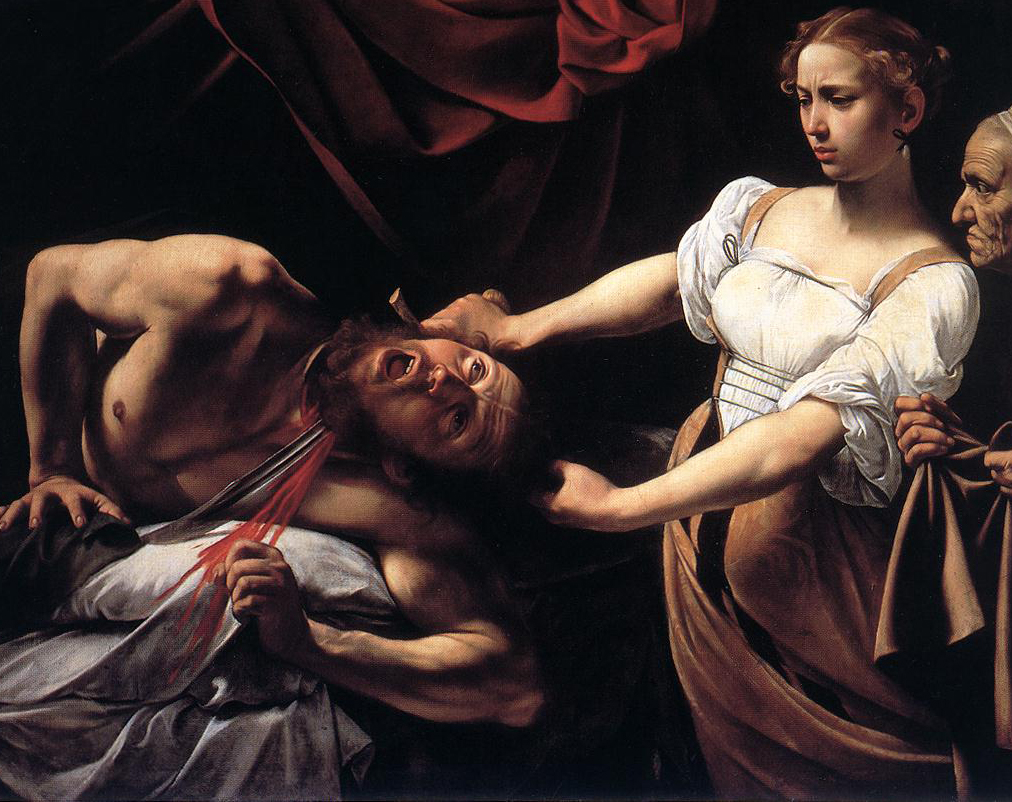
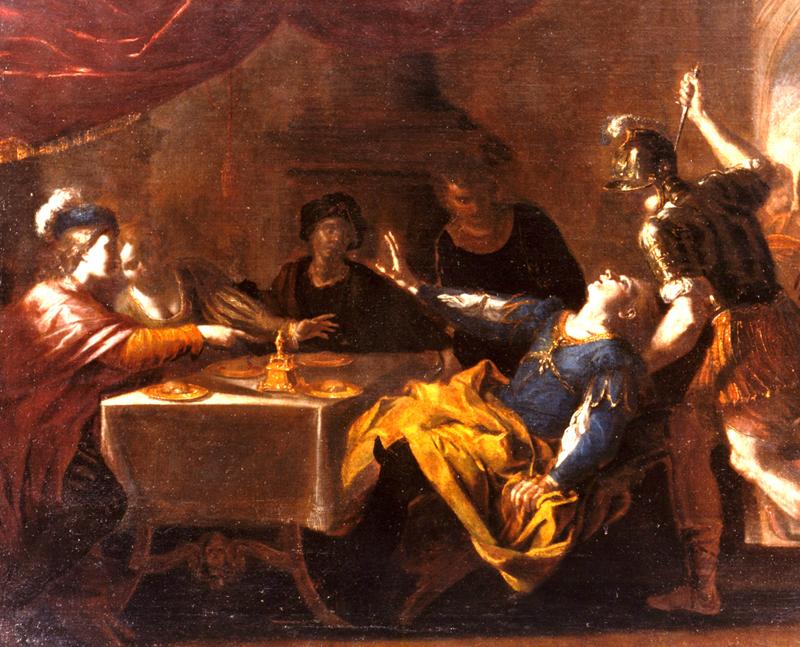
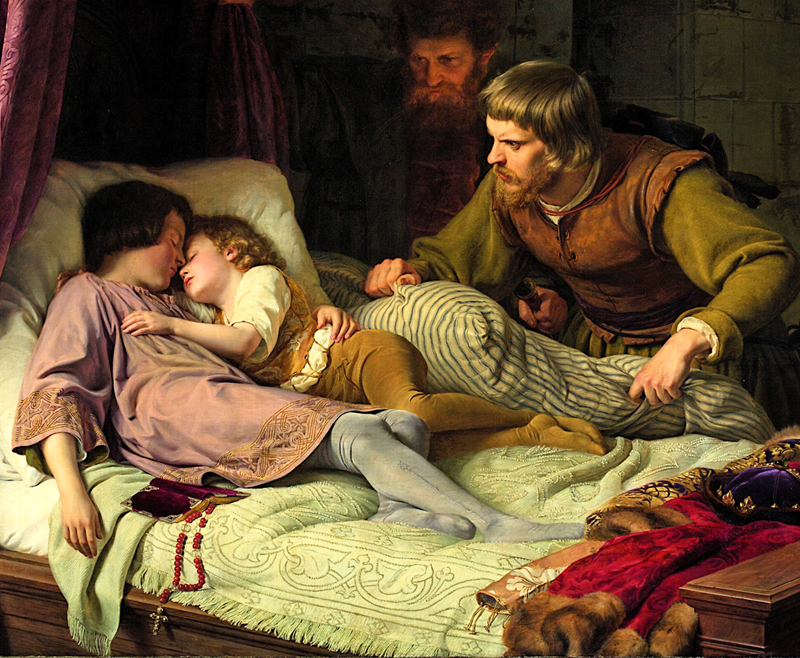
Murder (pneumothorax, arterial haemorrhage)
References
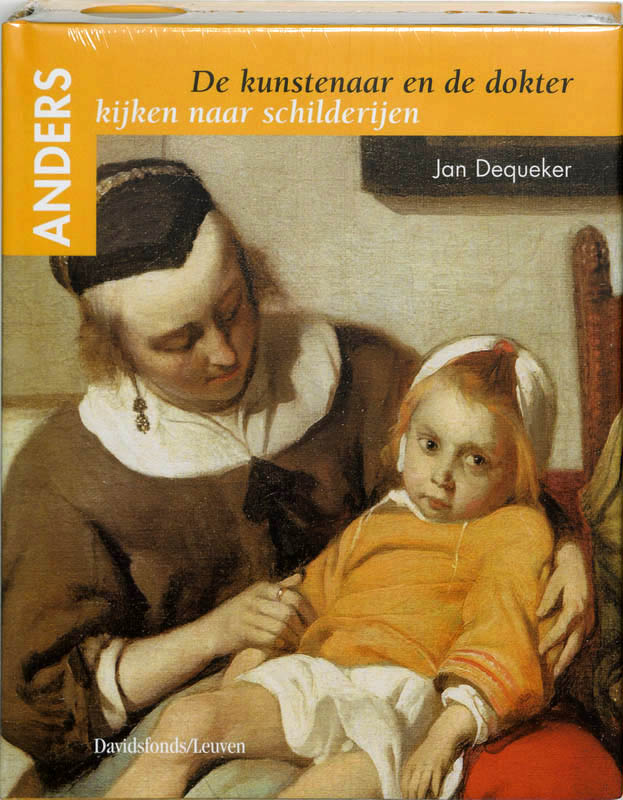
Jan Dequeker
The artist and the doctor are looking at paintings.
Photos
wikipedia.org
wikimedia.org