Marinus van Reymerswaele
1490, Reymerswael – 1567, Reymerswael, Zeeland
Marinus van Reymerswaele is one of the most important painters of the Antwerp School in the 16th century. He adopted the outstanding painting style of Quinten Massijs, and his works are consequently strongly influenced by him.
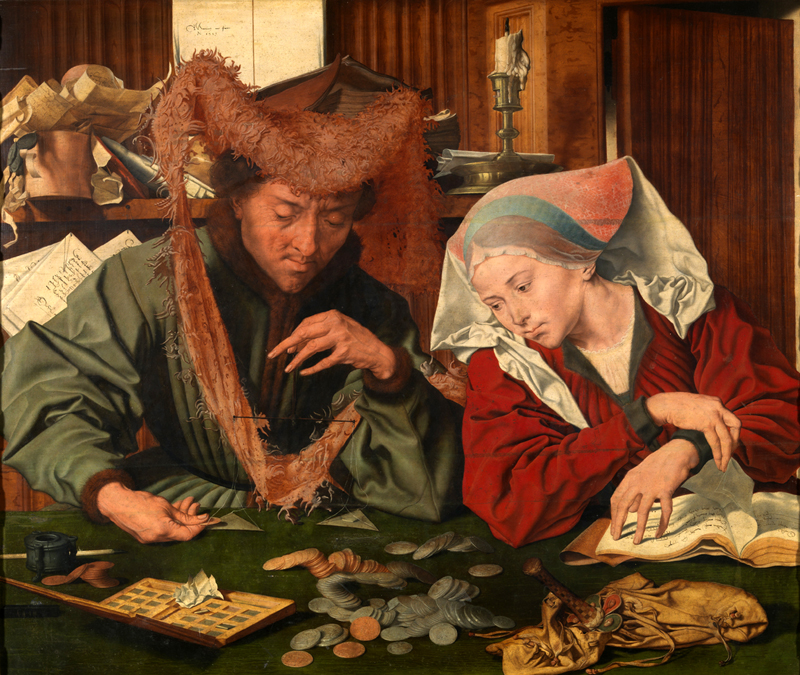
♦ The money-changer and his wife (1539) ♦
This painting is not intended, as it might appear, to be a mere simple genre scene. It is a moral allegory of avarice. The figures in the painting are fascinated – or rather, hypnotised – by the gold.
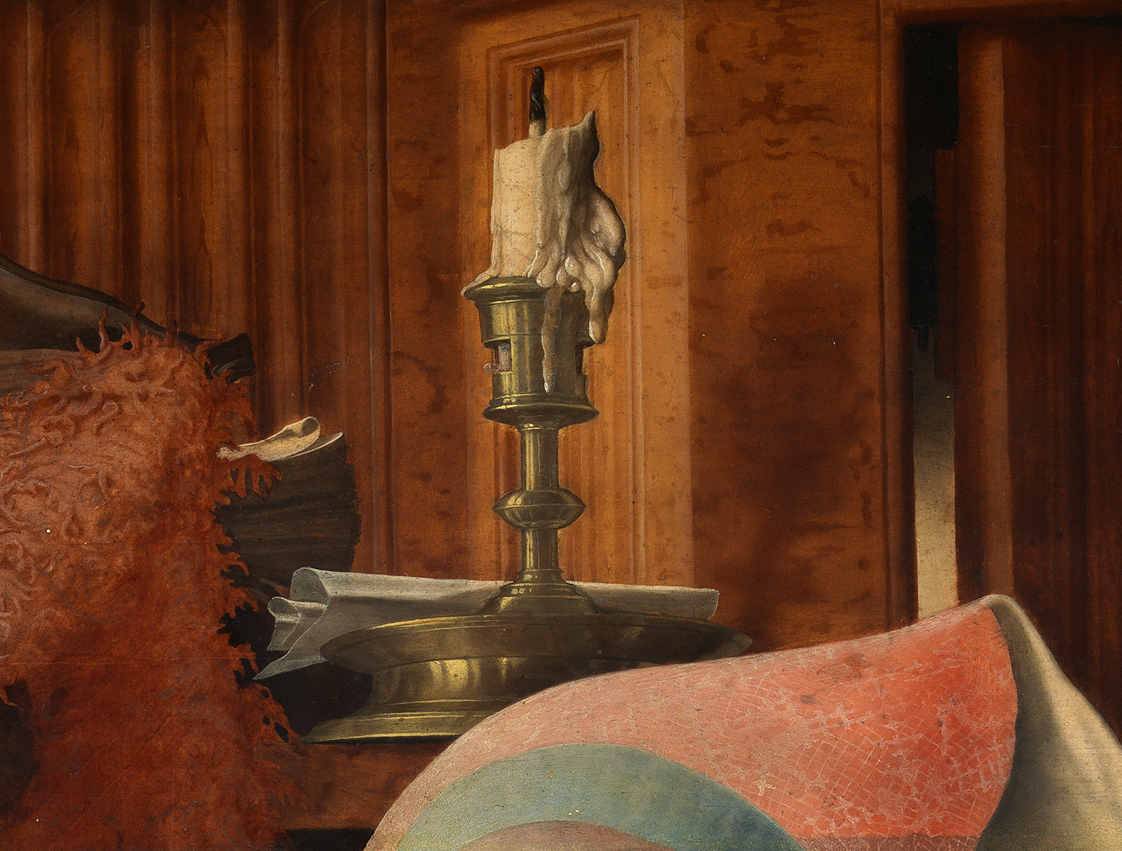
The woman stops reading and lets her gaze wander over the money. Her husband holds the scales as if they were a judge’s attribute, which naturally also alludes to the Last Judgement. For then, after all, our deeds will be weighed just as the money-changer weighs his gold. Our fleeting existence in this life is symbolised by the half-burnt candle standing on the shelf.
Taken as a whole, this painting reveals a moralistic concern, which is linked to the philosophical world of Erasmus of Rotterdam.
A very similar genre painting, painted by Quinten Massijs, is housed in the Musée du Louvre in Paris.
♦ Diagnosis
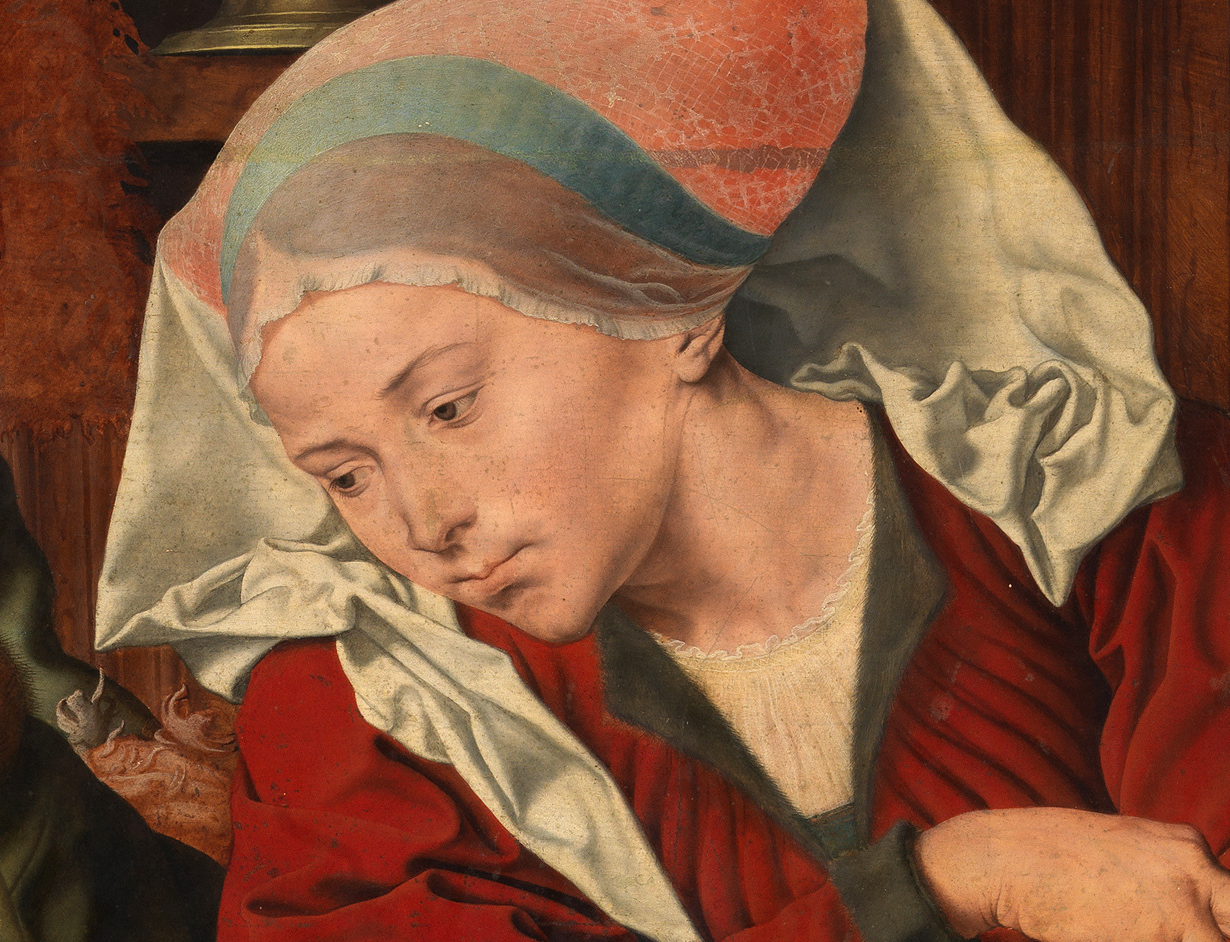
Main symptoms: Swelling of the lymph nodes in the neck that do not protrude through the skin.
Additional symptoms: Middle-aged woman, glances at money whilst reading. Pale face and hands.
Clinical diagnosis: Lymph node tumour (lymphoma), non-Hodgkin’s disease; tuberculous lymphadenitis (scrofula).
♦ Definition: Lymph node tumour (lymphoma), non-Hodgkin’s
Hodgkin’s disease is characterised by the uncontrolled production of typical Reed–Sternberg cells and an infiltration of peritumoural lymphocytes, leading to a painless but progressive enlargement of the lymphatic tissue throughout the body. Ultimately, this leads to anaemia.
The lymph nodes in the neck, particularly those on the left-hand side, are often the first to be affected. Fever, with or without symptoms of infection, is quite common, as are severe night sweats and weight loss.
The disease is most prevalent in two age groups:
1) young men around adolescence
2) people aged 50–60
If left untreated, the disease is rapidly fatal. The exception to this is paragranuloma, which progresses more slowly.
Hodgkin’s disease in the neck region is often confused with tuberculous lymphadenitis, chronic pyogenic lymphadenitis, chronic lymphocytic leukaemia and infectious mononucleosis.
Non-Hodgkin’s lymphomas often differ from these conditions only in their pathological features and usually arise from large or small follicular lymphocytes.
In most cases, a correct diagnosis can only be made by means of a lymph node biopsy.
♦ Definition: scrofulose
Klierziekte of tuberculoze van de lymfeknopen in de hals.
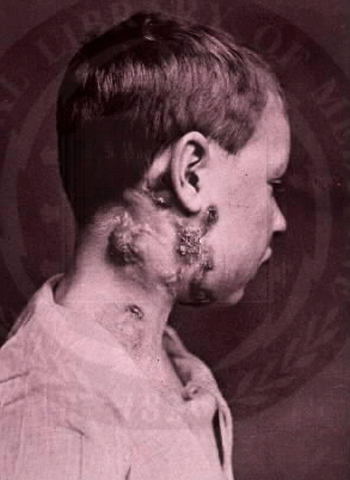
Huidletsel worden veroorzaakt door een lokale actie van de tuberkelbacterie, die zich rechtstreeks uitbreidt, vanuit een onderhuidse structuur. Doet zich meestal in de nek voor door drainage van de lymfeknopen, die verzweringen, drainagefistels en littekens vormen.
♦ Discussion
From a clinical point of view, a diagnosis of lymphoma (non-Hodgkin’s disease) is the most likely here, taking into account the age and general appearance of the money-changer’s wife.
Infectious mononucleosis, also known as glandular fever, is an acute infectious disease, often seen in young people, characterised by high fever, fatigue, general malaise, muscle pain throughout the body and some enlargement of the superficial lymph nodes. Recovery is always certain.
Tuberculous lymphadenitis, and certainly chronic pyogenic lymphadenitis, is accompanied by superficial skin changes, indentations or redness.
It is unlikely that Marinus van Reymerswaele would have deliberately depicted the signs of a potentially fatal illness in order to emphasise the moral message of this painting – the transience of our existence, as symbolised by the half-burnt candle.
Medieval painters, however, were keen observers and depicted typical clinical manifestations of diseases which, at the time, were not yet recognised by doctors as specific syndromes.
Following the publication of this review in a medical journal, Adri Mackor from Doorn (the Netherlands) wrote to me (Jan Dequeker) stating that, according to his archival research, the models for this painting were believed to be Marinus himself and his wife. Marinus van Reymerswaele is said to have moved to Goes in 1540 with a new, young wife.
This could support my theory that the money-changer’s wife suffered from lymphoma in 1539 and died shortly afterwards, in any case before Marinus moved to Goes with a young wife in 1540.
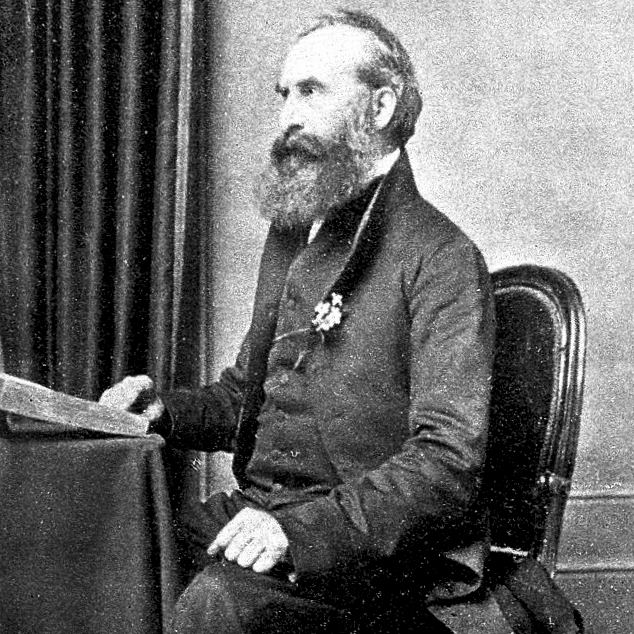
Thomas Hodgkin (1798–1866), an English physician, described in 1832, in his treatise *On some morbid appearance of the absorbent glands and spleen*, the clinical history and post-mortem findings of seven cases of the disease that would later bear his name.
The first microscopic descriptions of Hodgkin’s disease were made by Lanhans in 1872.
(1) Hodgkin T., On some morbid appearance of the absorbent glands and spleen. Med Chir Trans 1832; 17: 68-114
Source: Jan Dequeker

Lymph node tumour (lymphoma), non-Hodgkin’s
References
Jan Dequeker
The artist and the doctor look at paintings
Photos
Wikipedia.org
Wikimedia.org