
Lazarus Outside the Gate
Personal reflection by Loes van Damme-Rietvelt
What Caught My Attention?
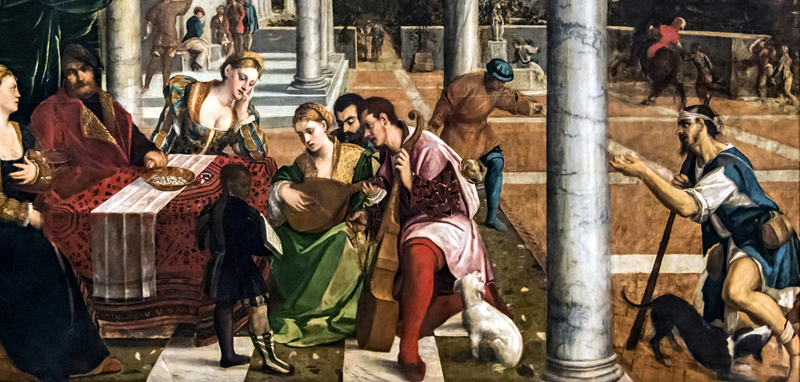
The first thing that caught my attention was the column in the middle of the painting. It divides the scene into two completely different worlds.
On one side people gather around a richly decorated table. There is food, conversation and music. Nobody appears concerned about anything beyond the immediate pleasures of the moment.
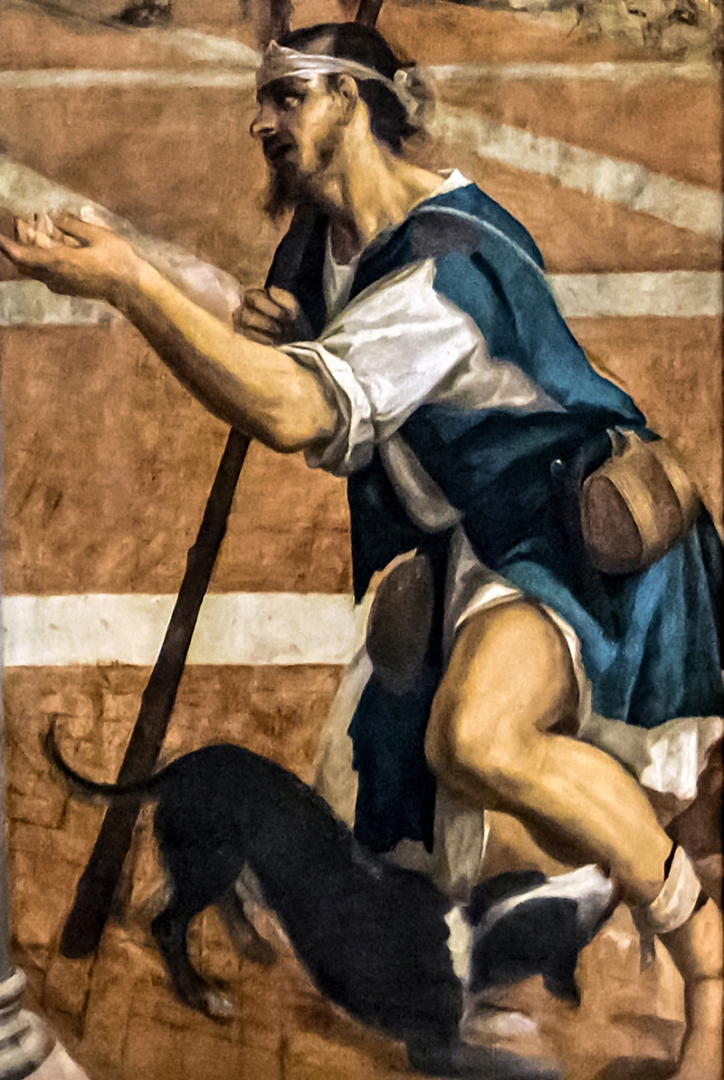
On the other side sits Lazarus: alone, poor and ill. My eyes keep moving from left to right and back again. The contrast is impossible to ignore.
Looking Closer
The longer I look, the more isolated Lazarus appears. Nobody at the table seems interested in him. Nobody even looks in his direction.
A dog approaches and licks his sores. That detail stayed with me. Does Lazarus not notice? Is he too weak to react? Or has the disease already damaged his ability to feel?
As a viewer, I am left with a mixture of discomfort, compassion and disbelief. How can people live so close to suffering and remain untouched by it?
What Does It Make Me Think About?
Although this painting is almost five hundred years old, its message feels surprisingly modern.
The wealthy guests live in one world. Lazarus lives in another. Between them stands a barrier, symbolised by the column at the centre of the painting.
Today many of us no longer live behind city walls, but we often live inside social and economic bubbles. Poverty, homelessness, neglected diseases and humanitarian crises can remain invisible until they appear directly in front of us.
What we do not see becomes easy to ignore.
For me, Lazarus represents all those people who are still standing outside the gate.
Leprosy and Stigma
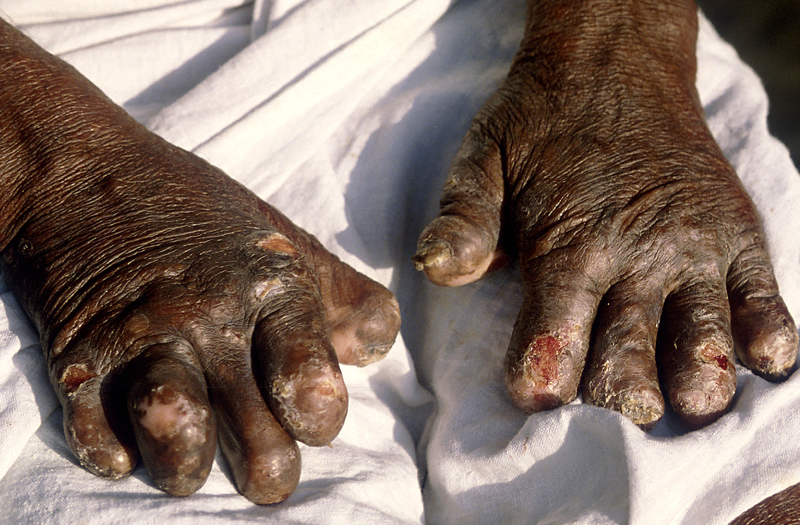
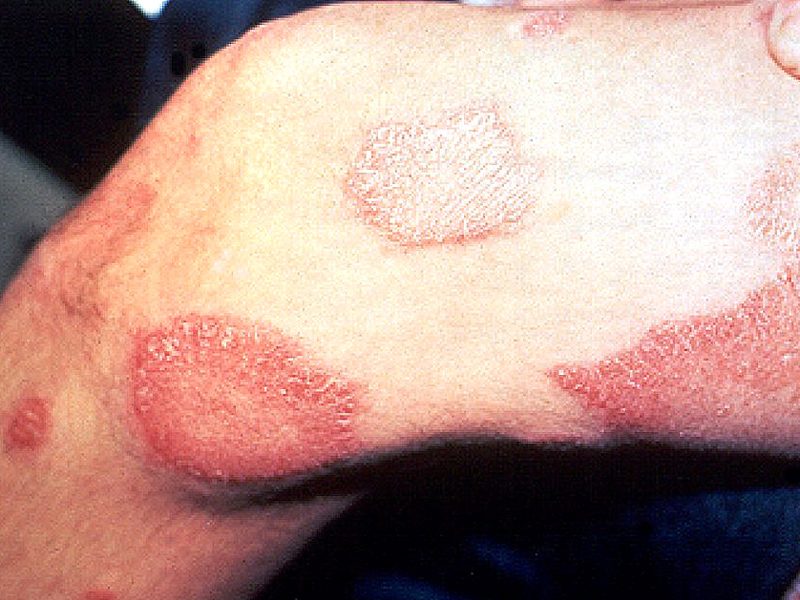
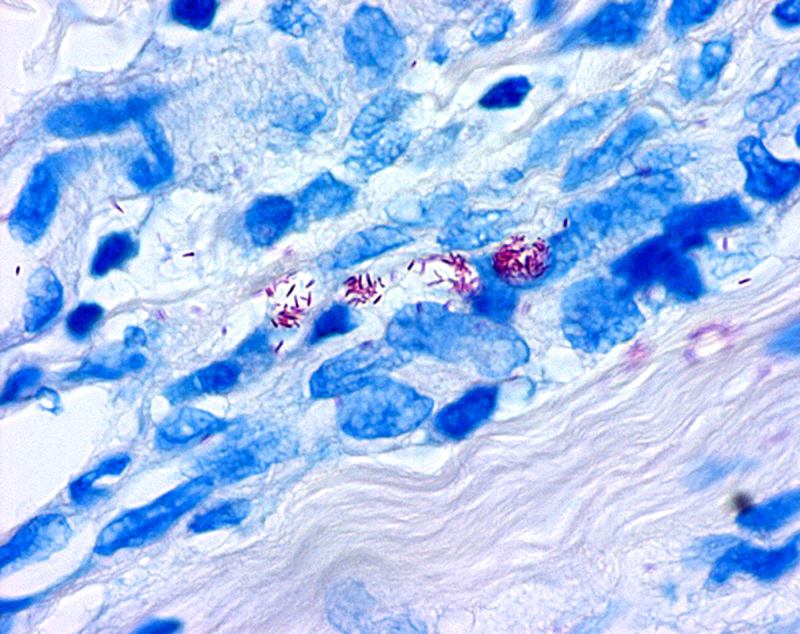
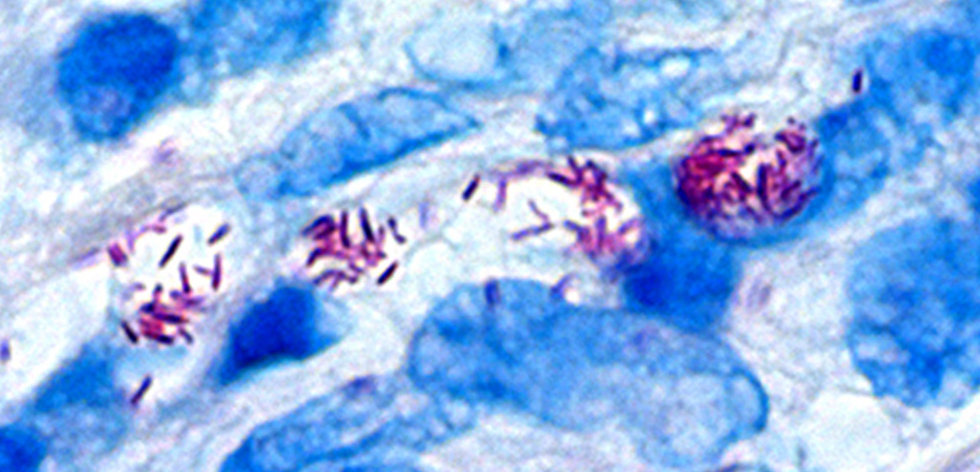
Lazarus is traditionally associated with leprosy, now known as Hansen's disease. The disease is caused by Mycobacterium leprae and primarily affects the skin and peripheral nerves.
One of its most remarkable features is loss of sensation. Patients may not notice injuries, burns or wounds, which can lead to infections and permanent damage.
For centuries leprosy carried a heavy social stigma. Those affected were often feared, isolated and excluded from society. The disease affected far more than the body; it also affected identity, relationships and belonging.
What Has Changed?
Today leprosy can be treated effectively, and millions of people have been cured. Yet the disease has not disappeared and remains one of the world's neglected tropical diseases.
Perhaps that is why this painting still matters.
Not because it teaches us how to diagnose a disease, but because it reminds us of something equally important: a society can become so absorbed in its own concerns that it no longer notices those who are suffering nearby.
Lazarus leaves us with a simple question:
Who is still waiting outside the gate today?
MicrobeCanvas
Additional information about Hansen's disease, clinical presentations, histopathology and microbiological diagnosis can be found elsewhere in MicrobeCanvas under Leprosy (Hansen's disease).