José Aparicio e Inglada
1770, Alicante – 1838, Madrid, Spain
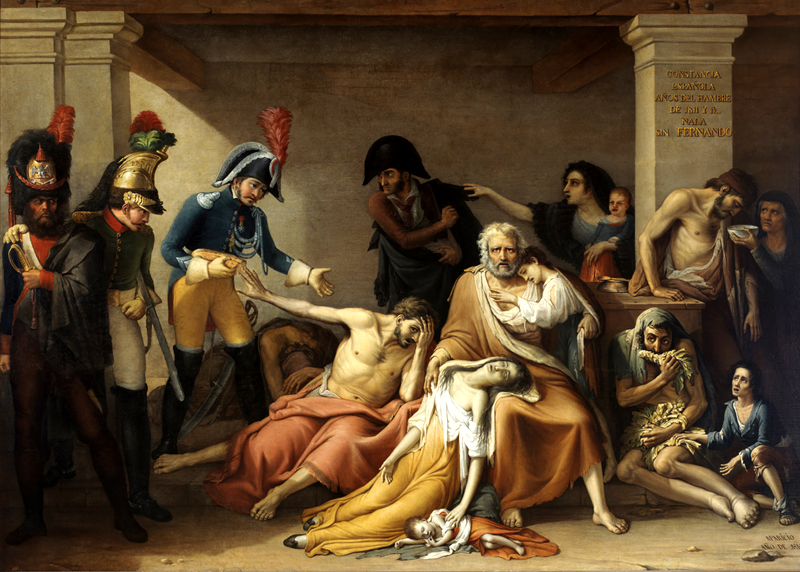
Patriotic guards come to the aid of Madrid’s starving citizens during the French invasion.
♦ Hunger in Madrid (Hambre en Madrid), 1818 ♦
Although José Aparicio e Inglada undoubtedly had didactic and moralising intentions with his paintings, they are in fact rather rhetorical, theatrical and self-congratulatory, which explains their enduring success in official circles.
He became, incidentally, very popular with such patriotic and nationalistic works as *Hunger in Madrid*.
♦ Diagnosis
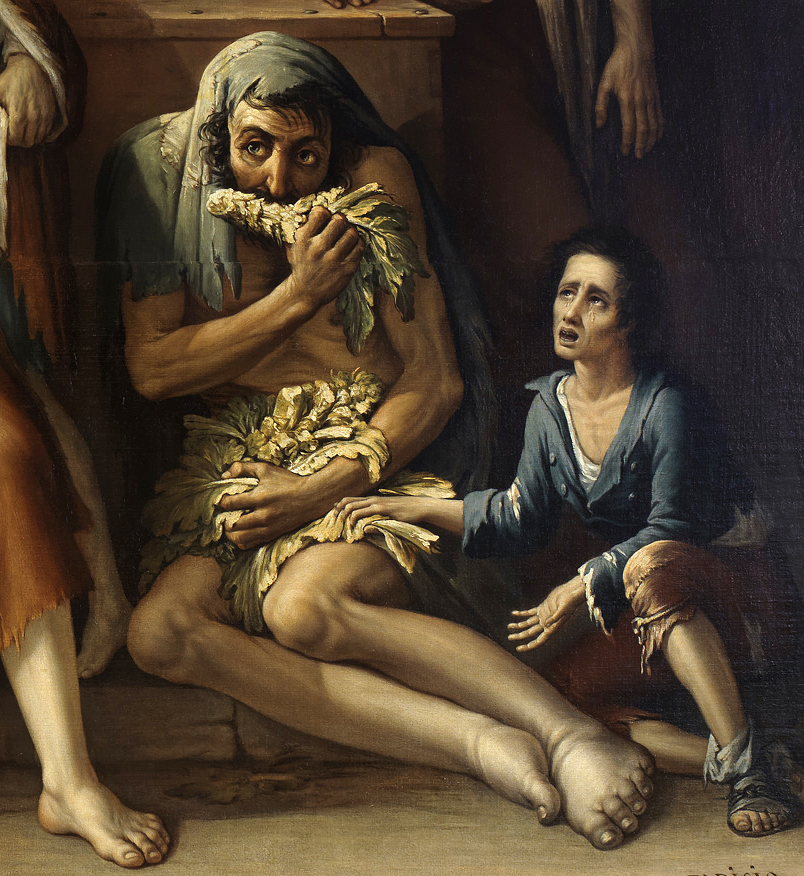
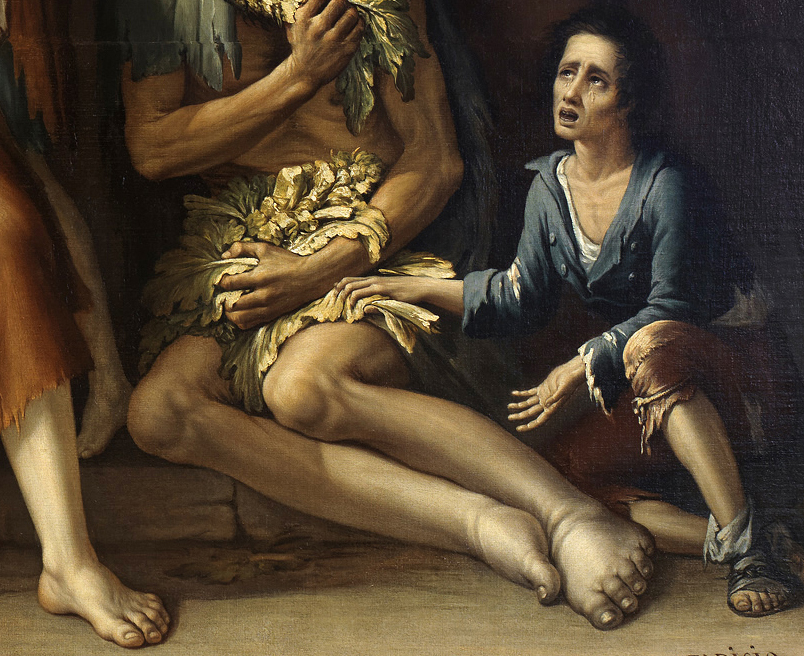
Main symptoms: Severe oedema of the lower limbs.
Associated symptoms: A poor, starving woman eats scraps of cabbage leaves.
Clinical symptoms: Starvation oedema.
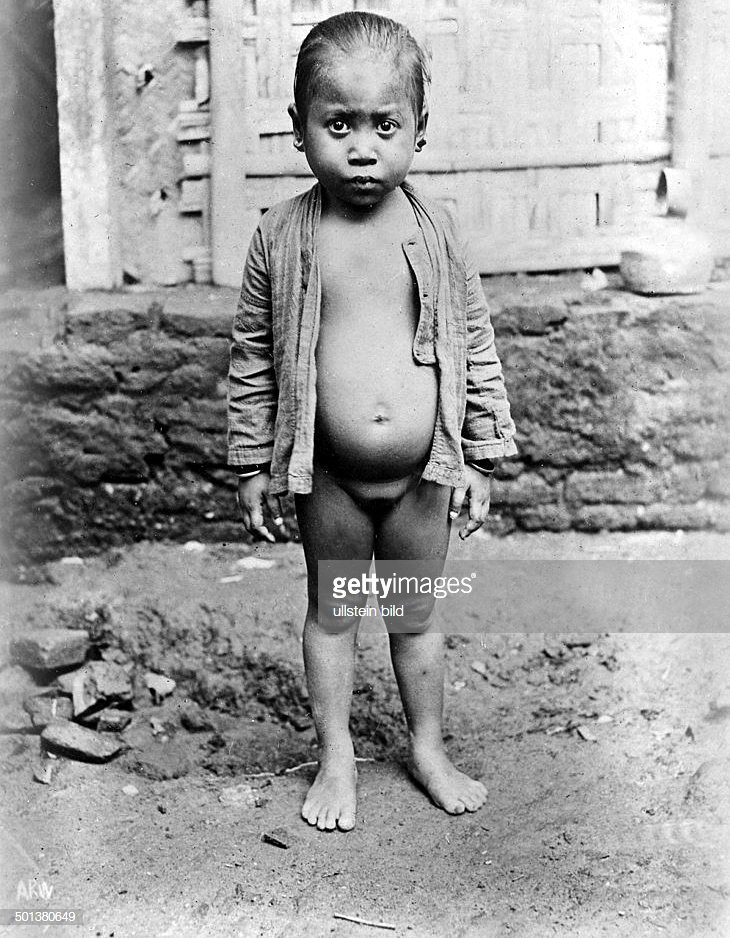
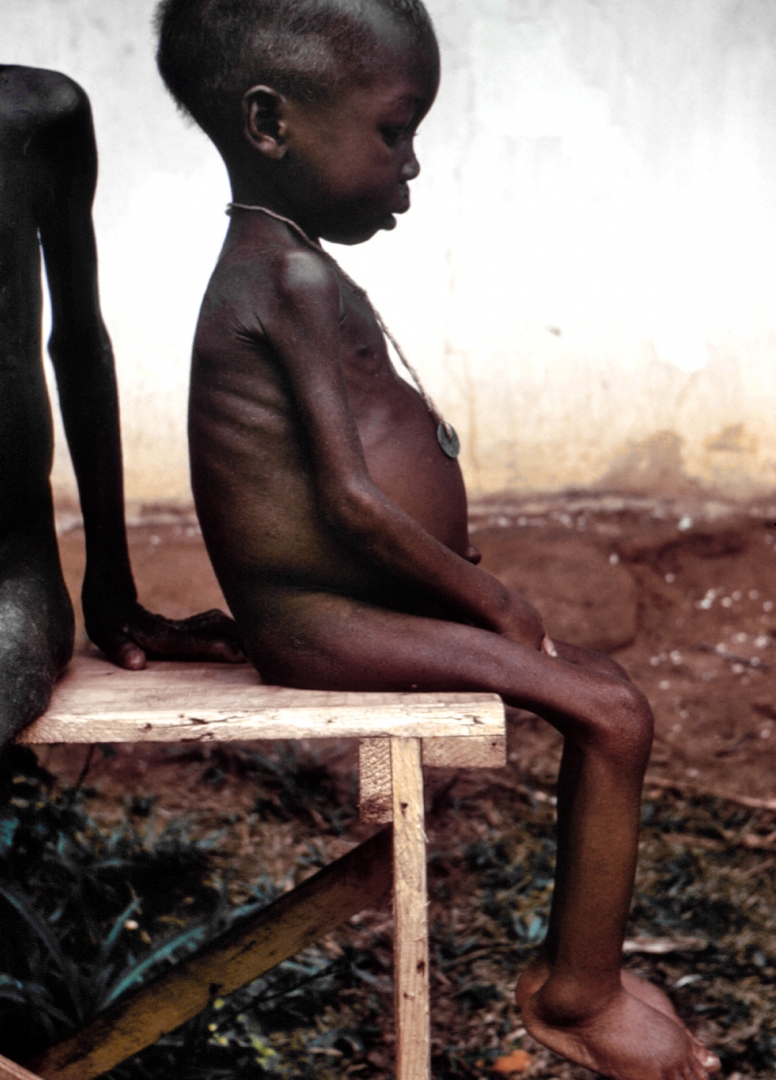
♦ Definition: hunger oedema
Oedema resulting from starvation or poor nutrition. Caused by an abnormally low concentration of plasma proteins in the blood.
♦ Discussion
'You cannot walk down the street without even the hardest of hearts being moved at the sight and sound of people complaining that they have not even had breakfast, even though it is already six o’clock in the afternoon, or others on whose faces death is already etched. Still others faint from weakness, whilst yet others have already died. Here you see a group of children, abandoned by their parents and crying out for bread. There walks a widow, utterly filthy and disfigured. And a little further on, a girl, whom we assume is begging so as not to compromise her chastity’.
This description, published in the newspaper *Diario de Madrid* on 27 August 1812, is depicted in this painting, *Famine in Madrid*, by Inglada.
During this famine, 20,000 people died between September 1811 and August 1812. It was primarily caused by guerrilla bands who blocked the supply routes to the city, making it impossible for most city dwellers to find food. The French occupying forces were unable to build up food supplies or bring the roads under control.
Even the well-funded charitable organisation, established by the French, was unable to cope with the large number of townspeople dying of starvation.
Source: Jan Dequeker

Hunger oedema
References
Jan Dequeker
The artist and the doctor look at paintings
Photos
commons.wikimedia.org