


Personal reflection by Loes van Damme-Rietvelt
What Caught My Attention?
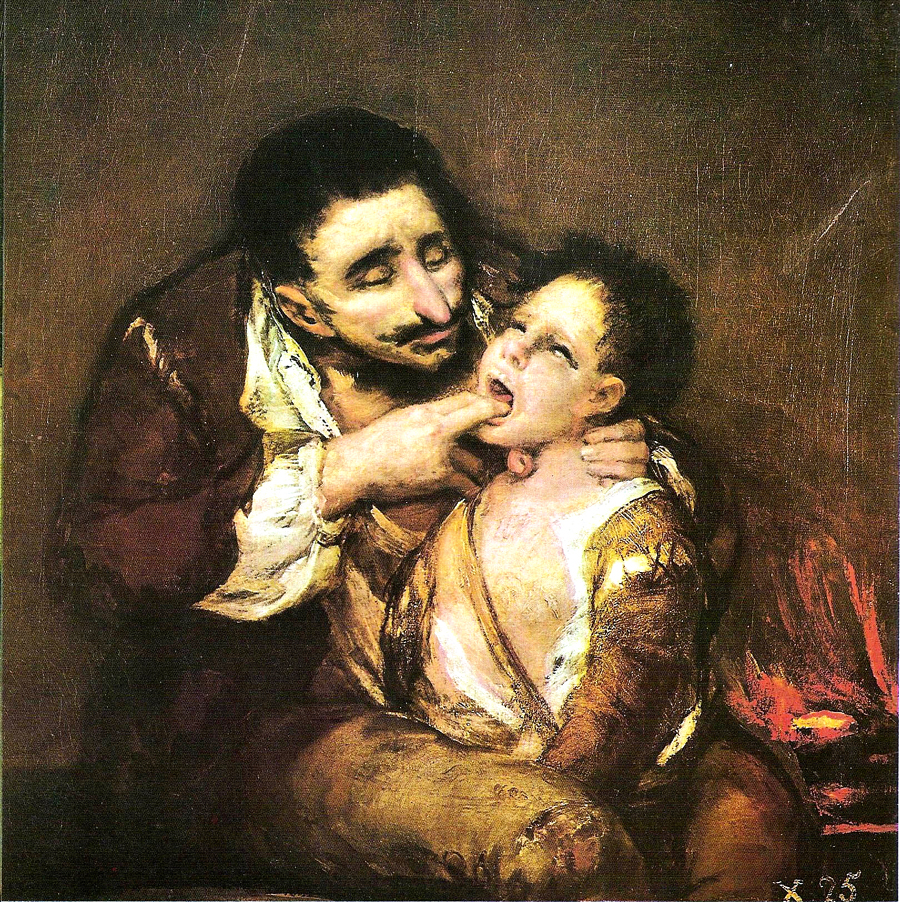
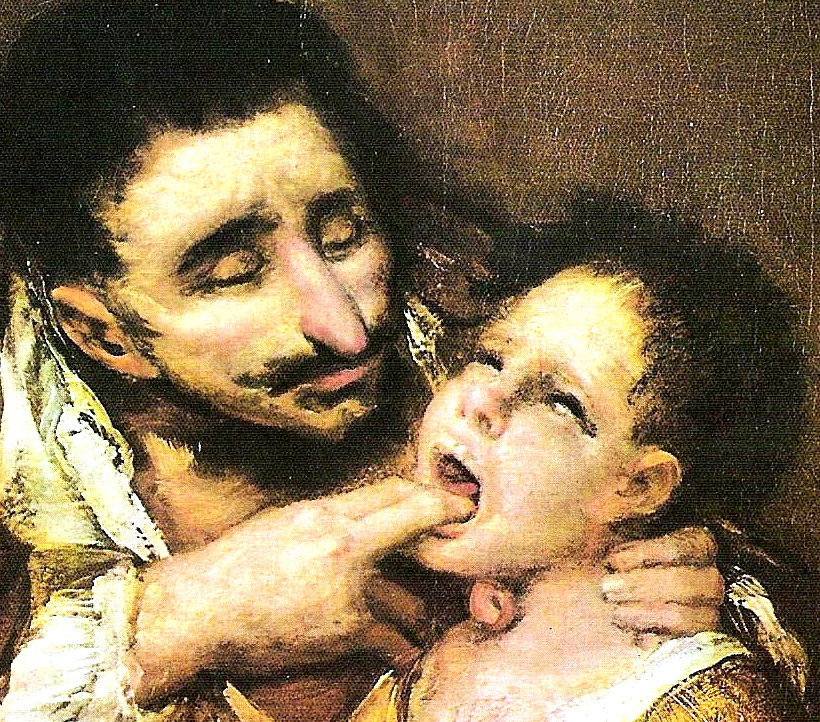
When I first looked at this painting, I noticed the boy's open mouth.
The adult figure seems to be examining his throat with great attention. To a modern viewer, the scene can almost look medical.
Only later did I learn that the painting illustrates an episode from the Spanish picaresque novel Lazarillo de Tormes, a story about deception, survival and cunning.
Yet the image continued to make me think about disease.
Looking Beyond the Story
The original story is not about illness.
In the novel, the blind man discovers that the hungry boy has tricked him. The moment is dramatic and almost theatrical.
Viewed without knowing the story, however, the painting can suggest something entirely different:
- a worried adult
- a child with an open mouth
- a painful throat
Anyone who has worked in medicine or microbiology may find it difficult not to think about disease.
I certainly did.
A Possible Medical Interpretation
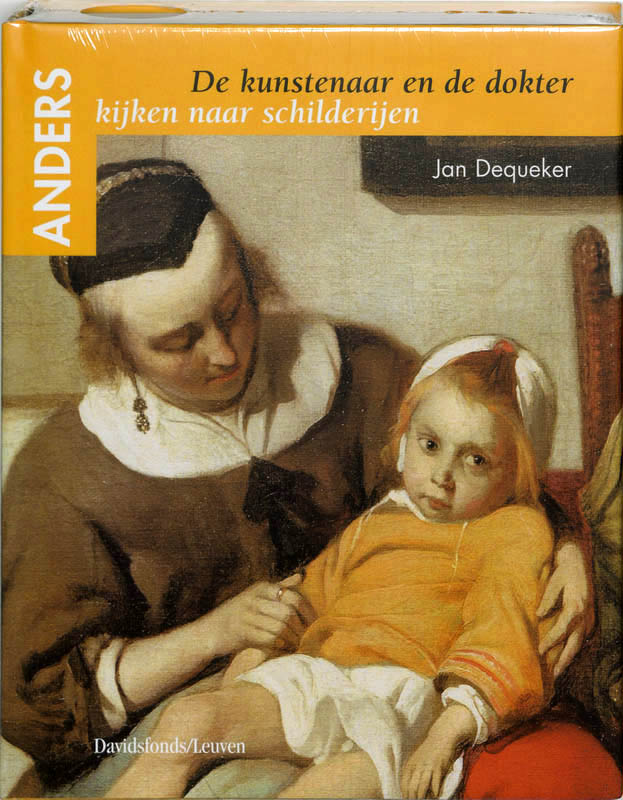
Art historian and physician Jan Dequeker suggested that the scene could remind modern viewers of diphtheria, once one of the most feared childhood infections.
This should not be seen as a confirmed diagnosis.
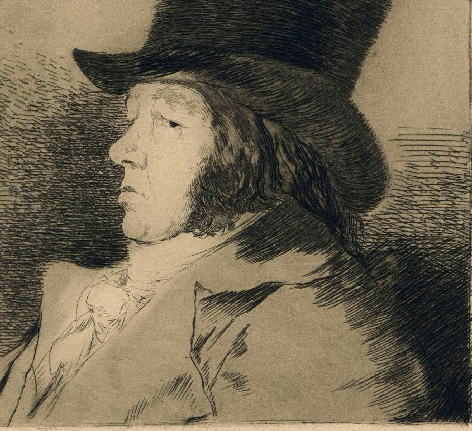
The painting was not created as a medical record, and Goya was illustrating a literary scene rather than documenting a patient.
Nevertheless, the image provides an interesting starting point for discussing a disease that has largely disappeared from everyday life in countries with widespread vaccination.
What Was Diphtheria?
Diphtheria is caused by Corynebacterium diphtheriae.
The bacterium produces a powerful toxin that can damage tissues and organs throughout the body.
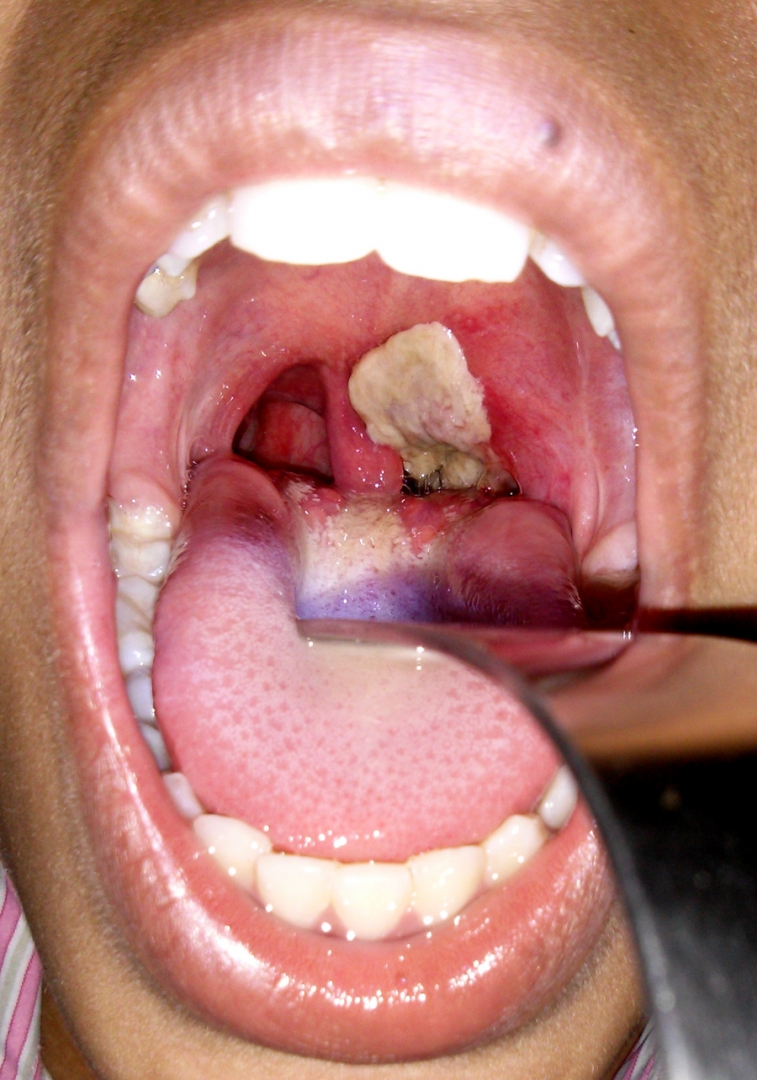
One of the hallmark features is the formation of a thick grey-white pseudomembrane in the throat.
Children often presented with:
• sore throat
• fever
• difficulty swallowing
• breathing difficulty
• neck swelling
Before vaccination became widely available, diphtheria was a major cause of childhood illness and death.
Looking Closer
The images accompanying this article illustrate several aspects of diphtheria and its causative bacterium.
They include:
- the characteristic pseudomembrane
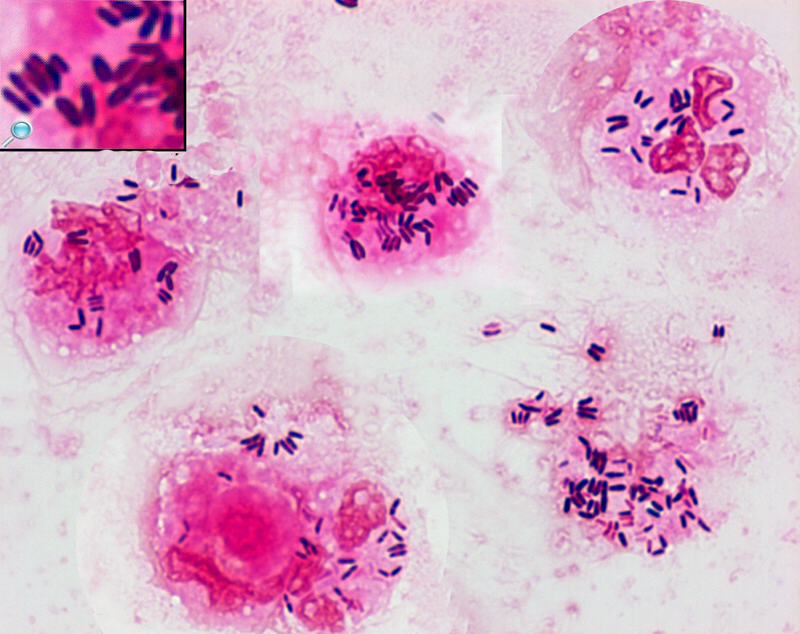
- microscopic appearance of Corynebacterium diphtheriae
- culture characteristics on blood agar
Several of the microbiological photographs were taken and documented by me during my laboratory career and are included here for educational purposes.
Readers interested in the microbiology of Corynebacterium diphtheriae—including microscopy, culture characteristics, laboratory identification and diagnosis—can find more detailed material elsewhere in MicrobeCanvas.
What Has Changed?
When Goya painted this scene, infectious diseases were part of everyday life.
Today, many healthcare professionals in Western Europe have never encountered a classical case of diphtheria.
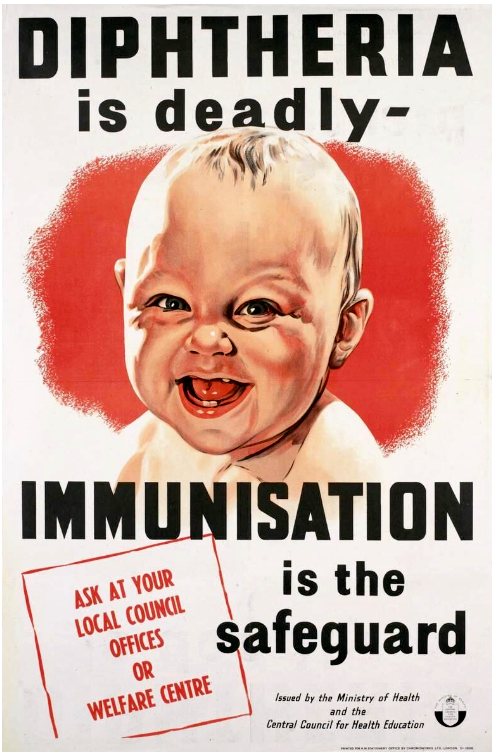
Vaccination transformed diphtheria from a common childhood disease into a rarity.
That success can easily be forgotten.
Perhaps that is why paintings such as El Lazarillo de Tormes remain interesting.
Not because they allow us to diagnose people from the past with certainty.
But because they remind us of diseases that once shaped everyday life—and of the remarkable impact that vaccination and public health have had since then.